[
Article
]
“Life Values and Culture” — The Key to Winning Marketing to Upcountry Consumers
“Life Values and Culture” — The Key to Winning Marketing to Upcountry Consumers
By Somyot Chairat, Chief Executive Officer, Jamjaras
By Somyot Chairat, Chief Executive Officer, Jamjaras
By Somyot Chairat, Chief Executive Officer, Jamjaras

In the past, marketing was not very complicated. You produced a product, put it on the market, and advertised it through the key media of the time: television, newspapers, magazines, and radio. There were only a few main media channels then. Television had only Channels 3, 5, 7, and 9, and newspapers such as Thai Rath and Daily News reached people through the same media. Viewers and readers had no choice; they consumed advertising as it was given to them—one language, one direction. All communication was controlled by advertisers and brands, while the media designed the program formats.
Then the world changed in a way that caused business people to struggle to adapt in time. Current technology has changed everything in the marketing world. There are more products to choose from, and they are easier to access and purchase. Consumers now have more options. Most importantly, communication has changed enormously. People have many more choices in media consumption. There are more television channels and more programs, as well as far more online channels such as YouTube, Facebook, LINE, TikTok, and Instagram. For the first time, people can access the content they like in their own language, through their own culture and beliefs. All of this tells us that the target audience or consumers are more than what we call “Thai people overall.” We only share the same nationality, while our life values differ, we speak different languages, and we have different local cultures, traditions, foods, preferences, and ways of living.

Cultural values and beliefs are things brands must understand deeply in order to reach target audiences appropriately in today’s world. Geographic borders divide countries, and those lines are fixed—but “culture has no borders.” Culture is something present from birth and passed on through family and surrounding society. It stays with people wherever they go. A Thai person born in Thailand carries Thainess wherever they go. Cultural values are part of people, from small groups to larger ones. The smallest group is the family, and it expands outward. Cultural values include food, language, religion, gestures, music, art, beliefs, clothing, hairstyles—everything that distinguishes one group from another and is reflected in character and daily life. These are the things brand owners and marketers must understand deeply.
In the past, marketing was done in a broad, general way. But when internet technology arrived, cultures from different societies began to spread more widely, and people started to see differences much more clearly.

So how can brands reach provincial consumers effectively?
Access can be divided into three forms: offline, online, and on-ground. “Offline” is the standard approach, relying mainly on TV and newspapers to reach people nationwide quickly and broadly, creating awareness across the country at the same time. After that, brands can begin to penetrate each region through “online” content—videos, music, or content through local celebrities. From there, they can go even deeper through on-ground activities such as sampling and local games. Content should also be selected based on what provincial consumers in each locality like and follow.
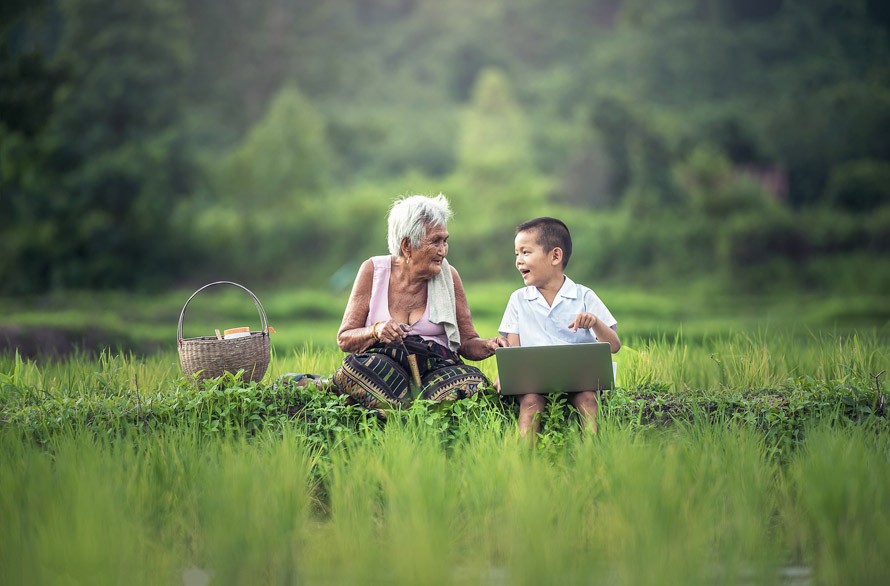
People in the Northeast enjoy comedy, fun, and mor lam and luk thung music. They love friends and like being in groups. Content that reaches them often comes through singers and mor lam performers, with stories close to what they like. When society matters, standing out matters too. But asking them to focus on skincare products such as lotion or serum may still be too far removed. The right products are things that make them look better immediately, so cosmetics, foundation, makeup, and lipstick are important because they show results instantly.
In the Central region, luk thung and likay are popular and have been modernized, with devoted fans supporting performers. In the South, however, shadow puppet theatre that satirizes politics in the southern style makes southern audiences laugh, while people in other regions may see it as serious or boring.

In the North, this can be seen through salor-sor-sueng music and a way of life that is simple and unhurried compared with other regions—slow, gentle, and relaxed. Beyond entertainment, food and flavor compositions are also different, as are beliefs in sacred things. Each place is different, from Ai Khai at Wat Chedi to Luang Pho Ruay at Wat Tago.
All of these elements can be combined to plan an effective approach to reaching provincial or upcountry consumers. Overall, to access the upcountry market, one must understand cultural structures, traditions, practices that have become beliefs, rituals, habitual behavior, symbols, and ultimately the people who influence thought and belief. When all these are combined, it becomes possible to determine how to reach provincial consumers effectively. At Jamjaras, we specialize in planning upcountry marketing strategies across every system, from offline and online to on-ground.
In the past, marketing was not very complicated. You produced a product, put it on the market, and advertised it through the key media of the time: television, newspapers, magazines, and radio. There were only a few main media channels then. Television had only Channels 3, 5, 7, and 9, and newspapers such as Thai Rath and Daily News reached people through the same media. Viewers and readers had no choice; they consumed advertising as it was given to them—one language, one direction. All communication was controlled by advertisers and brands, while the media designed the program formats.
Then the world changed in a way that caused business people to struggle to adapt in time. Current technology has changed everything in the marketing world. There are more products to choose from, and they are easier to access and purchase. Consumers now have more options. Most importantly, communication has changed enormously. People have many more choices in media consumption. There are more television channels and more programs, as well as far more online channels such as YouTube, Facebook, LINE, TikTok, and Instagram. For the first time, people can access the content they like in their own language, through their own culture and beliefs. All of this tells us that the target audience or consumers are more than what we call “Thai people overall.” We only share the same nationality, while our life values differ, we speak different languages, and we have different local cultures, traditions, foods, preferences, and ways of living.
Cultural values and beliefs are things brands must understand deeply in order to reach target audiences appropriately in today’s world. Geographic borders divide countries, and those lines are fixed—but “culture has no borders.” Culture is something present from birth and passed on through family and surrounding society. It stays with people wherever they go. A Thai person born in Thailand carries Thainess wherever they go. Cultural values are part of people, from small groups to larger ones. The smallest group is the family, and it expands outward. Cultural values include food, language, religion, gestures, music, art, beliefs, clothing, hairstyles—everything that distinguishes one group from another and is reflected in character and daily life. These are the things brand owners and marketers must understand deeply.
In the past, marketing was done in a broad, general way. But when internet technology arrived, cultures from different societies began to spread more widely, and people started to see differences much more clearly.
So how can brands reach provincial consumers effectively?
Access can be divided into three forms: offline, online, and on-ground. “Offline” is the standard approach, relying mainly on TV and newspapers to reach people nationwide quickly and broadly, creating awareness across the country at the same time. After that, brands can begin to penetrate each region through “online” content—videos, music, or content through local celebrities. From there, they can go even deeper through on-ground activities such as sampling and local games. Content should also be selected based on what provincial consumers in each locality like and follow.
People in the Northeast enjoy comedy, fun, and mor lam and luk thung music. They love friends and like being in groups. Content that reaches them often comes through singers and mor lam performers, with stories close to what they like. When society matters, standing out matters too. But asking them to focus on skincare products such as lotion or serum may still be too far removed. The right products are things that make them look better immediately, so cosmetics, foundation, makeup, and lipstick are important because they show results instantly.
In the Central region, luk thung and likay are popular and have been modernized, with devoted fans supporting performers. In the South, however, shadow puppet theatre that satirizes politics in the southern style makes southern audiences laugh, while people in other regions may see it as serious or boring.
In the North, this can be seen through salor-sor-sueng music and a way of life that is simple and unhurried compared with other regions—slow, gentle, and relaxed. Beyond entertainment, food and flavor compositions are also different, as are beliefs in sacred things. Each place is different, from Ai Khai at Wat Chedi to Luang Pho Ruay at Wat Tago.
All of these elements can be combined to plan an effective approach to reaching provincial or upcountry consumers. Overall, to access the upcountry market, one must understand cultural structures, traditions, practices that have become beliefs, rituals, habitual behavior, symbols, and ultimately the people who influence thought and belief. When all these are combined, it becomes possible to determine how to reach provincial consumers effectively. At Jamjaras, we specialize in planning upcountry marketing strategies across every system, from offline and online to on-ground.
In the past, marketing was not very complicated. You produced a product, put it on the market, and advertised it through the key media of the time: television, newspapers, magazines, and radio. There were only a few main media channels then. Television had only Channels 3, 5, 7, and 9, and newspapers such as Thai Rath and Daily News reached people through the same media. Viewers and readers had no choice; they consumed advertising as it was given to them—one language, one direction. All communication was controlled by advertisers and brands, while the media designed the program formats.
Then the world changed in a way that caused business people to struggle to adapt in time. Current technology has changed everything in the marketing world. There are more products to choose from, and they are easier to access and purchase. Consumers now have more options. Most importantly, communication has changed enormously. People have many more choices in media consumption. There are more television channels and more programs, as well as far more online channels such as YouTube, Facebook, LINE, TikTok, and Instagram. For the first time, people can access the content they like in their own language, through their own culture and beliefs. All of this tells us that the target audience or consumers are more than what we call “Thai people overall.” We only share the same nationality, while our life values differ, we speak different languages, and we have different local cultures, traditions, foods, preferences, and ways of living.
Cultural values and beliefs are things brands must understand deeply in order to reach target audiences appropriately in today’s world. Geographic borders divide countries, and those lines are fixed—but “culture has no borders.” Culture is something present from birth and passed on through family and surrounding society. It stays with people wherever they go. A Thai person born in Thailand carries Thainess wherever they go. Cultural values are part of people, from small groups to larger ones. The smallest group is the family, and it expands outward. Cultural values include food, language, religion, gestures, music, art, beliefs, clothing, hairstyles—everything that distinguishes one group from another and is reflected in character and daily life. These are the things brand owners and marketers must understand deeply.
In the past, marketing was done in a broad, general way. But when internet technology arrived, cultures from different societies began to spread more widely, and people started to see differences much more clearly.
So how can brands reach provincial consumers effectively?
Access can be divided into three forms: offline, online, and on-ground. “Offline” is the standard approach, relying mainly on TV and newspapers to reach people nationwide quickly and broadly, creating awareness across the country at the same time. After that, brands can begin to penetrate each region through “online” content—videos, music, or content through local celebrities. From there, they can go even deeper through on-ground activities such as sampling and local games. Content should also be selected based on what provincial consumers in each locality like and follow.
People in the Northeast enjoy comedy, fun, and mor lam and luk thung music. They love friends and like being in groups. Content that reaches them often comes through singers and mor lam performers, with stories close to what they like. When society matters, standing out matters too. But asking them to focus on skincare products such as lotion or serum may still be too far removed. The right products are things that make them look better immediately, so cosmetics, foundation, makeup, and lipstick are important because they show results instantly.
In the Central region, luk thung and likay are popular and have been modernized, with devoted fans supporting performers. In the South, however, shadow puppet theatre that satirizes politics in the southern style makes southern audiences laugh, while people in other regions may see it as serious or boring.
In the North, this can be seen through salor-sor-sueng music and a way of life that is simple and unhurried compared with other regions—slow, gentle, and relaxed. Beyond entertainment, food and flavor compositions are also different, as are beliefs in sacred things. Each place is different, from Ai Khai at Wat Chedi to Luang Pho Ruay at Wat Tago.
All of these elements can be combined to plan an effective approach to reaching provincial or upcountry consumers. Overall, to access the upcountry market, one must understand cultural structures, traditions, practices that have become beliefs, rituals, habitual behavior, symbols, and ultimately the people who influence thought and belief. When all these are combined, it becomes possible to determine how to reach provincial consumers effectively. At Jamjaras, we specialize in planning upcountry marketing strategies across every system, from offline and online to on-ground.
[
Connect
]
How can we help you innovate?
Drop us a line.
Get in
touch
[
Connect
]
How can we help you innovate?
Drop us a line.
Get in
touch
[
Connect
]
How can we help you innovate?
Drop us a line.
Get in
touch
Related
Movements.
{
News
}
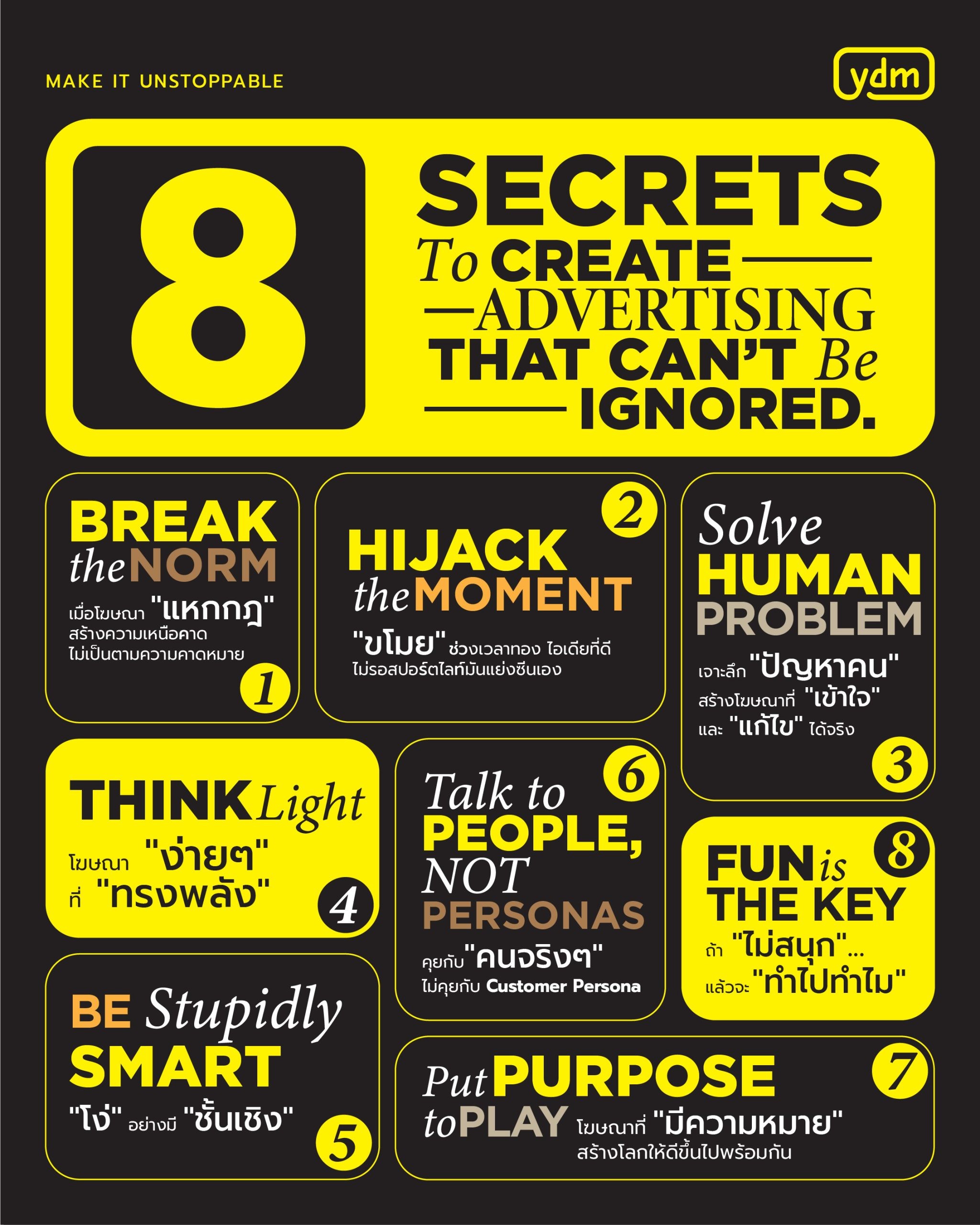
Unlocking the Secret: 8 Keys to Creating Impactful Advertising Campaigns
Jan 15, 2025
{
News
}
Unlocking the Secret: 8 Keys to Creating Impactful Advertising Campaigns
Jan 15, 2025
{
News
}
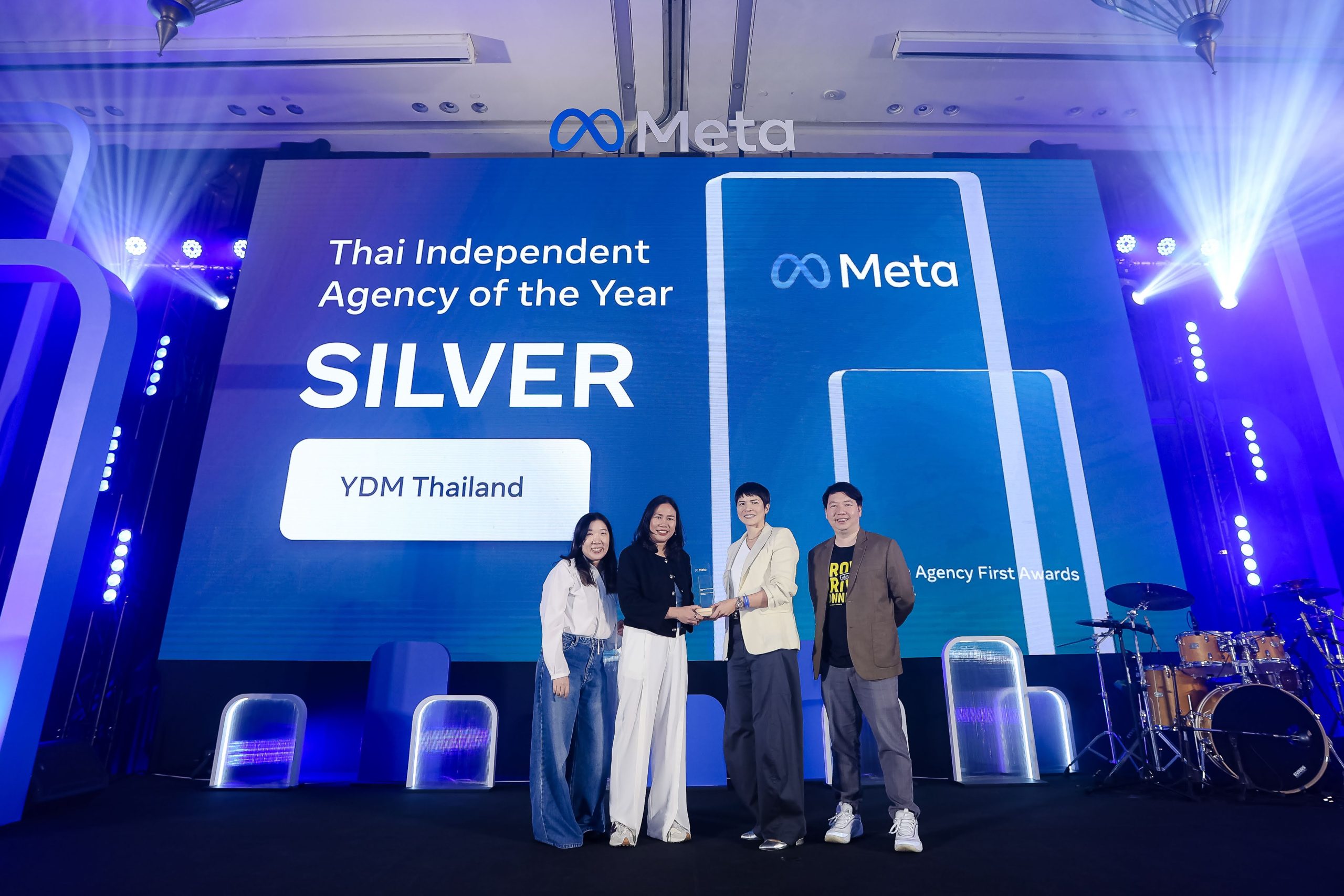
YDM Makes Waves with Double Wins at Meta Awards, Reveals Key Drivers Behind Its Success
Dec 24, 2024
{
News
}
YDM Makes Waves with Double Wins at Meta Awards, Reveals Key Drivers Behind Its Success
Dec 24, 2024
{
News
}
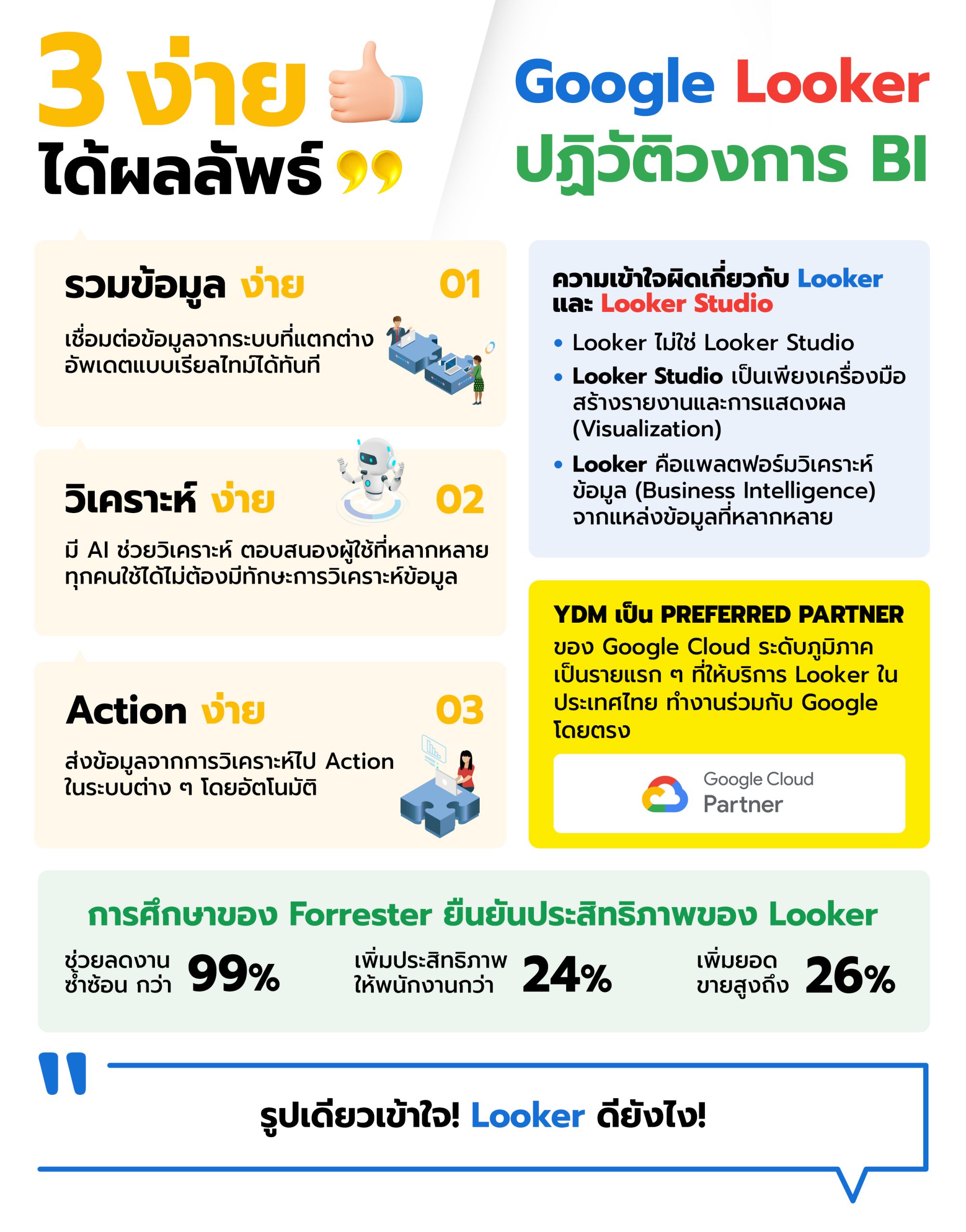
YDM Transforms the BI Landscape with Looker: Making Data “Simple” and More Effective (Looker is not Looker Studio)
Dec 17, 2024
{
News
}
YDM Transforms the BI Landscape with Looker: Making Data “Simple” and More Effective (Looker is not Looker Studio)
Dec 17, 2024
{
News
}
Unlocking the Secret: 8 Keys to Creating Impactful Advertising Campaigns
Jan 15, 2025
{
News
}
YDM Makes Waves with Double Wins at Meta Awards, Reveals Key Drivers Behind Its Success
Dec 24, 2024
{
News
}
YDM Transforms the BI Landscape with Looker: Making Data “Simple” and More Effective (Looker is not Looker Studio)
Dec 17, 2024
{
News
}
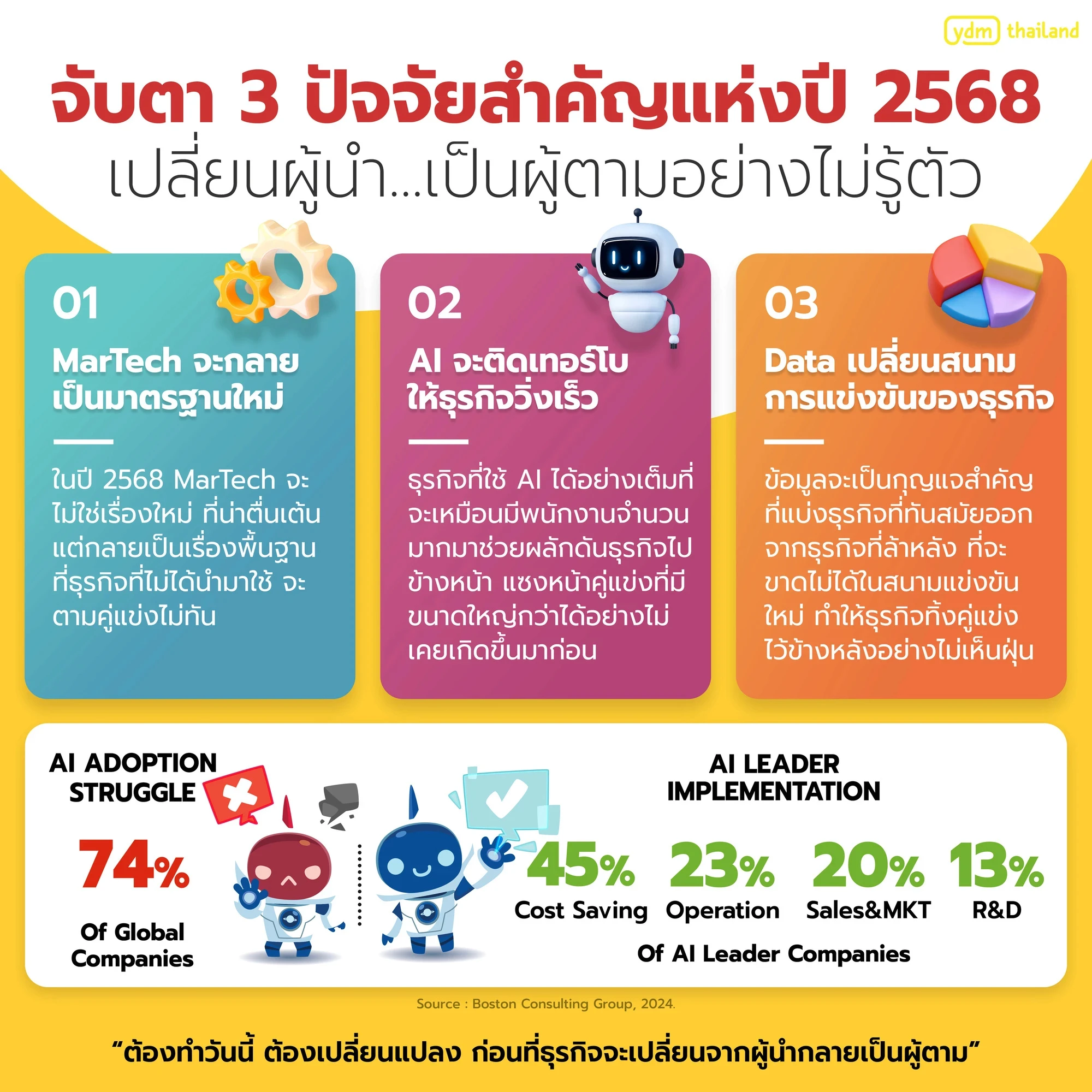
Watch Out: 3 Key Factors in 2025 That Could Turn Leaders into Followers Without Realizing It
Dec 3, 2024
{
News
}
Unlocking the Secret: 8 Keys to Creating Impactful Advertising Campaigns
Jan 15, 2025
{
News
}
YDM Makes Waves with Double Wins at Meta Awards, Reveals Key Drivers Behind Its Success
Dec 24, 2024
{
News
}
YDM Transforms the BI Landscape with Looker: Making Data “Simple” and More Effective (Looker is not Looker Studio)
Dec 17, 2024
{
News
}
Watch Out: 3 Key Factors in 2025 That Could Turn Leaders into Followers Without Realizing It
Dec 3, 2024