
For those in the creative field here, “Nuntawat Chaipornkaew” is likely a name many people admire for his craftsmanship. He is someone who has won a Gold Cannes award and has also served as a guest lecturer and judge for advertising creativity competitions both in Thailand and abroad, such as the London International Award, Adfest Thailand, Kamfan Hong Kong, Kancil Award Malaysia, and Adman Thailand.
Nuntawat began his career in the creative field at Saatchi & Saatchi Bangkok in 2002 as an Art Director. After that, he started to see certain things about the creative industry and felt that it was time for him to set out to learn more about brand building.
That journey lasted nearly 10 years, from 2005 to 2014, and gave him experience working with many leading agencies, including Y&R Hong Kong, Bartle Bogle Hegarty London, JWT Tokyo, JvM Hamburg, Walker Zurich, and Ogilvy Shanghai, before he returned to Saatchi & Saatchi Bangkok in 2014 as Chief Creative Officer.
He said that his past work experience allowed him to see the differences in creative agency work across regions. For example, in the Western world, the working processes of creative agencies are very strong, while in the East, such as Japan, it is a highly suitable country for art-oriented people because there is so much art to study.
This also included working with friends at a boutique agency in Switzerland, which allowed him to discover what a very lean system looks like.
“I was very surprised when I arrived because it was a small house with eight employees. The policy there was to work only with the CEO, or if it was MarCom, then only with the decision maker level. It was a challenging job and a very lean system. There were not many people and not many work steps, yet it was much more effective. I did not work in Switzerland for long, but it was the period when I produced the most work I had ever done while abroad. I got to shoot projects with leading production houses in many countries and saw highly effective problem-solving. I began to see the power of having few people, with everyone having a clear focus.”
“At that time, I quietly had a small thought that one day I would open a small agency like this. But I still wanted to continue learning, especially about the Chinese market, so I went to Ogilvy Shanghai for another two years. There, we expanded the scope one more step. Previously we had worked on awareness-building, but in Shanghai we worked all the way to the point of thinking, for example, what staff in a supermarket should do with customers. It made us clearly see that the point where products can actually sell is not just awareness; there is another battlefield called retail.”
“All of this expanded the boundaries of my learning, and getting to work through the entire loop, together with working in many countries, many markets, and many industries, made those nine years abroad extremely intensive.”
However, in 2014 he was approached to return to Thailand once again as Chief Creative Officer of Saatchi & Saatchi Bangkok. When he decided to come back, he found that the agency market had begun to face many changes.
“We began to see change, both on the side of Thai consumers entering the social media era in full, and clients starting to cut budgets. The importance of TVC media began to decline. At that time, we wondered whether the old way of working could continue. Competition in the industry was very high, while businesses themselves were also becoming more lost. Many times, the money invested did not generate returns as worthwhile as it should have.”

Mr. Nuntawat with his son, Nawin, who inspired the company name Nawin Consultant
“I sat and thought that if I were a client and my business had problems, but I was not sure whether it needed rebranding, who could I talk to? Would I have to speak to a famous consulting firm and undergo a large-scale rebrand? Or if I had to go to an agency, the client might fear: I do not yet want to launch an advertising campaign. So what should the client do?”
After much reflection, he concluded that there was still a gap for one type of service: consultancy. With more than 15 years of experience in creative agencies, he believed that creativity can help build brands and business plans at every point. It no longer has to wait until the last P, Promotion, to become the responsibility of creatives. He also saw that there was not yet a fully integrated provider in this format, which eventually led to the launch of Nawin Consultant.
Nawin receives briefs to understand the business model, identify strengths and weaknesses that should be reinforced or adjusted, and then enters a process of providing recommendations on the most suitable adaptations for the business or its opportunities. This includes matters such as logo selection, font choice, the use of color to communicate brand identity, brand naming, packaging ideas, line extension, market expansion, recommendations that help clients cut unnecessary budgets, and selecting the right tools for image adjustment or starting a new brand.
“I would say that I sell experience and connections, because my experience tells us what fails and what works, or, if you want a director, who it should be. But beyond that, the next era must be digital. Search and micro-influencer marketing matter, so we must be able to connect with digital solutions.”
At this point, Nawin Consultant has partnered with Adyim, which specializes in digital marketing solutions in Thailand, and has also brought technological innovation in to support clients. Nawin’s clients include educational institutions, the automotive industry, and others, as well as assignments such as setting up digital teams for large organizations.
“What I find today from talking with many brands is that in the past there were not this many competitors, and that has pushed businesses into price competition. If I could advise, I would say that brands may need to step back first and twist their own strengths so they do not have to compete in a price war with other sellers.”

“Or, for example, if you run a school business, how do you make it less boring and stand out, becoming the Uniqlo of schools? Do you need a new name? Should you do CRM? I even have a catalog for you to see, showing which designers are available, what each person’s work looks like, and how much they charge. Then you can contact them directly. I do not charge anything extra on top. Or if you already have a designer in mind, you can bring me their portfolio and I will help recommend who is more suitable for creating this work. We see this as fair and sincere, as if I were a partner. Let me help think about how to help them earn more money, and as a creative person, I also want to help them save money and reduce costs in the process.”
“Clients are happy that I do not come with a business mindset, but rather that we speak with creativity. Many times, discussions with clients help us find out the problem and get ideas back. It is as if I reignite their creative spirit. I believe most entrepreneurs are creative people, otherwise they would not have come out to start a business. But over time, they forget their passion, so we need to reignite it. In the end, creativity is only a tool. What clients want is results, which means being able to sell products. Creatives must help clients sell first. If we try to understand this, we will work happily.”
Thank you
Source: Thumbsup Online
For those in the creative field here, “Nuntawat Chaipornkaew” is likely a name many people admire for his craftsmanship. He is someone who has won a Gold Cannes award and has also served as a guest lecturer and judge for advertising creativity competitions both in Thailand and abroad, such as the London International Award, Adfest Thailand, Kamfan Hong Kong, Kancil Award Malaysia, and Adman Thailand.
Nuntawat began his career in the creative field at Saatchi & Saatchi Bangkok in 2002 as an Art Director. After that, he started to see certain things about the creative industry and felt that it was time for him to set out to learn more about brand building.
That journey lasted nearly 10 years, from 2005 to 2014, and gave him experience working with many leading agencies, including Y&R Hong Kong, Bartle Bogle Hegarty London, JWT Tokyo, JvM Hamburg, Walker Zurich, and Ogilvy Shanghai, before he returned to Saatchi & Saatchi Bangkok in 2014 as Chief Creative Officer.
He said that his past work experience allowed him to see the differences in creative agency work across regions. For example, in the Western world, the working processes of creative agencies are very strong, while in the East, such as Japan, it is a highly suitable country for art-oriented people because there is so much art to study.
This also included working with friends at a boutique agency in Switzerland, which allowed him to discover what a very lean system looks like.
“I was very surprised when I arrived because it was a small house with eight employees. The policy there was to work only with the CEO, or if it was MarCom, then only with the decision maker level. It was a challenging job and a very lean system. There were not many people and not many work steps, yet it was much more effective. I did not work in Switzerland for long, but it was the period when I produced the most work I had ever done while abroad. I got to shoot projects with leading production houses in many countries and saw highly effective problem-solving. I began to see the power of having few people, with everyone having a clear focus.”
“At that time, I quietly had a small thought that one day I would open a small agency like this. But I still wanted to continue learning, especially about the Chinese market, so I went to Ogilvy Shanghai for another two years. There, we expanded the scope one more step. Previously we had worked on awareness-building, but in Shanghai we worked all the way to the point of thinking, for example, what staff in a supermarket should do with customers. It made us clearly see that the point where products can actually sell is not just awareness; there is another battlefield called retail.”
“All of this expanded the boundaries of my learning, and getting to work through the entire loop, together with working in many countries, many markets, and many industries, made those nine years abroad extremely intensive.”
However, in 2014 he was approached to return to Thailand once again as Chief Creative Officer of Saatchi & Saatchi Bangkok. When he decided to come back, he found that the agency market had begun to face many changes.
“We began to see change, both on the side of Thai consumers entering the social media era in full, and clients starting to cut budgets. The importance of TVC media began to decline. At that time, we wondered whether the old way of working could continue. Competition in the industry was very high, while businesses themselves were also becoming more lost. Many times, the money invested did not generate returns as worthwhile as it should have.”
Mr. Nuntawat with his son, Nawin, who inspired the company name Nawin Consultant
“I sat and thought that if I were a client and my business had problems, but I was not sure whether it needed rebranding, who could I talk to? Would I have to speak to a famous consulting firm and undergo a large-scale rebrand? Or if I had to go to an agency, the client might fear: I do not yet want to launch an advertising campaign. So what should the client do?”
After much reflection, he concluded that there was still a gap for one type of service: consultancy. With more than 15 years of experience in creative agencies, he believed that creativity can help build brands and business plans at every point. It no longer has to wait until the last P, Promotion, to become the responsibility of creatives. He also saw that there was not yet a fully integrated provider in this format, which eventually led to the launch of Nawin Consultant.
Nawin receives briefs to understand the business model, identify strengths and weaknesses that should be reinforced or adjusted, and then enters a process of providing recommendations on the most suitable adaptations for the business or its opportunities. This includes matters such as logo selection, font choice, the use of color to communicate brand identity, brand naming, packaging ideas, line extension, market expansion, recommendations that help clients cut unnecessary budgets, and selecting the right tools for image adjustment or starting a new brand.
“I would say that I sell experience and connections, because my experience tells us what fails and what works, or, if you want a director, who it should be. But beyond that, the next era must be digital. Search and micro-influencer marketing matter, so we must be able to connect with digital solutions.”
At this point, Nawin Consultant has partnered with Adyim, which specializes in digital marketing solutions in Thailand, and has also brought technological innovation in to support clients. Nawin’s clients include educational institutions, the automotive industry, and others, as well as assignments such as setting up digital teams for large organizations.
“What I find today from talking with many brands is that in the past there were not this many competitors, and that has pushed businesses into price competition. If I could advise, I would say that brands may need to step back first and twist their own strengths so they do not have to compete in a price war with other sellers.”
“Or, for example, if you run a school business, how do you make it less boring and stand out, becoming the Uniqlo of schools? Do you need a new name? Should you do CRM? I even have a catalog for you to see, showing which designers are available, what each person’s work looks like, and how much they charge. Then you can contact them directly. I do not charge anything extra on top. Or if you already have a designer in mind, you can bring me their portfolio and I will help recommend who is more suitable for creating this work. We see this as fair and sincere, as if I were a partner. Let me help think about how to help them earn more money, and as a creative person, I also want to help them save money and reduce costs in the process.”
“Clients are happy that I do not come with a business mindset, but rather that we speak with creativity. Many times, discussions with clients help us find out the problem and get ideas back. It is as if I reignite their creative spirit. I believe most entrepreneurs are creative people, otherwise they would not have come out to start a business. But over time, they forget their passion, so we need to reignite it. In the end, creativity is only a tool. What clients want is results, which means being able to sell products. Creatives must help clients sell first. If we try to understand this, we will work happily.”
Thank you
Source: Thumbsup Online
For those in the creative field here, “Nuntawat Chaipornkaew” is likely a name many people admire for his craftsmanship. He is someone who has won a Gold Cannes award and has also served as a guest lecturer and judge for advertising creativity competitions both in Thailand and abroad, such as the London International Award, Adfest Thailand, Kamfan Hong Kong, Kancil Award Malaysia, and Adman Thailand.
Nuntawat began his career in the creative field at Saatchi & Saatchi Bangkok in 2002 as an Art Director. After that, he started to see certain things about the creative industry and felt that it was time for him to set out to learn more about brand building.
That journey lasted nearly 10 years, from 2005 to 2014, and gave him experience working with many leading agencies, including Y&R Hong Kong, Bartle Bogle Hegarty London, JWT Tokyo, JvM Hamburg, Walker Zurich, and Ogilvy Shanghai, before he returned to Saatchi & Saatchi Bangkok in 2014 as Chief Creative Officer.
He said that his past work experience allowed him to see the differences in creative agency work across regions. For example, in the Western world, the working processes of creative agencies are very strong, while in the East, such as Japan, it is a highly suitable country for art-oriented people because there is so much art to study.
This also included working with friends at a boutique agency in Switzerland, which allowed him to discover what a very lean system looks like.
“I was very surprised when I arrived because it was a small house with eight employees. The policy there was to work only with the CEO, or if it was MarCom, then only with the decision maker level. It was a challenging job and a very lean system. There were not many people and not many work steps, yet it was much more effective. I did not work in Switzerland for long, but it was the period when I produced the most work I had ever done while abroad. I got to shoot projects with leading production houses in many countries and saw highly effective problem-solving. I began to see the power of having few people, with everyone having a clear focus.”
“At that time, I quietly had a small thought that one day I would open a small agency like this. But I still wanted to continue learning, especially about the Chinese market, so I went to Ogilvy Shanghai for another two years. There, we expanded the scope one more step. Previously we had worked on awareness-building, but in Shanghai we worked all the way to the point of thinking, for example, what staff in a supermarket should do with customers. It made us clearly see that the point where products can actually sell is not just awareness; there is another battlefield called retail.”
“All of this expanded the boundaries of my learning, and getting to work through the entire loop, together with working in many countries, many markets, and many industries, made those nine years abroad extremely intensive.”
However, in 2014 he was approached to return to Thailand once again as Chief Creative Officer of Saatchi & Saatchi Bangkok. When he decided to come back, he found that the agency market had begun to face many changes.
“We began to see change, both on the side of Thai consumers entering the social media era in full, and clients starting to cut budgets. The importance of TVC media began to decline. At that time, we wondered whether the old way of working could continue. Competition in the industry was very high, while businesses themselves were also becoming more lost. Many times, the money invested did not generate returns as worthwhile as it should have.”
Mr. Nuntawat with his son, Nawin, who inspired the company name Nawin Consultant
“I sat and thought that if I were a client and my business had problems, but I was not sure whether it needed rebranding, who could I talk to? Would I have to speak to a famous consulting firm and undergo a large-scale rebrand? Or if I had to go to an agency, the client might fear: I do not yet want to launch an advertising campaign. So what should the client do?”
After much reflection, he concluded that there was still a gap for one type of service: consultancy. With more than 15 years of experience in creative agencies, he believed that creativity can help build brands and business plans at every point. It no longer has to wait until the last P, Promotion, to become the responsibility of creatives. He also saw that there was not yet a fully integrated provider in this format, which eventually led to the launch of Nawin Consultant.
Nawin receives briefs to understand the business model, identify strengths and weaknesses that should be reinforced or adjusted, and then enters a process of providing recommendations on the most suitable adaptations for the business or its opportunities. This includes matters such as logo selection, font choice, the use of color to communicate brand identity, brand naming, packaging ideas, line extension, market expansion, recommendations that help clients cut unnecessary budgets, and selecting the right tools for image adjustment or starting a new brand.
“I would say that I sell experience and connections, because my experience tells us what fails and what works, or, if you want a director, who it should be. But beyond that, the next era must be digital. Search and micro-influencer marketing matter, so we must be able to connect with digital solutions.”
At this point, Nawin Consultant has partnered with Adyim, which specializes in digital marketing solutions in Thailand, and has also brought technological innovation in to support clients. Nawin’s clients include educational institutions, the automotive industry, and others, as well as assignments such as setting up digital teams for large organizations.
“What I find today from talking with many brands is that in the past there were not this many competitors, and that has pushed businesses into price competition. If I could advise, I would say that brands may need to step back first and twist their own strengths so they do not have to compete in a price war with other sellers.”
“Or, for example, if you run a school business, how do you make it less boring and stand out, becoming the Uniqlo of schools? Do you need a new name? Should you do CRM? I even have a catalog for you to see, showing which designers are available, what each person’s work looks like, and how much they charge. Then you can contact them directly. I do not charge anything extra on top. Or if you already have a designer in mind, you can bring me their portfolio and I will help recommend who is more suitable for creating this work. We see this as fair and sincere, as if I were a partner. Let me help think about how to help them earn more money, and as a creative person, I also want to help them save money and reduce costs in the process.”
“Clients are happy that I do not come with a business mindset, but rather that we speak with creativity. Many times, discussions with clients help us find out the problem and get ideas back. It is as if I reignite their creative spirit. I believe most entrepreneurs are creative people, otherwise they would not have come out to start a business. But over time, they forget their passion, so we need to reignite it. In the end, creativity is only a tool. What clients want is results, which means being able to sell products. Creatives must help clients sell first. If we try to understand this, we will work happily.”
Thank you
Source: Thumbsup Online
[
Connect
]
How can we help you innovate?
Drop us a line.
Get in
touch
[
Connect
]
How can we help you innovate?
Drop us a line.
Get in
touch
[
Connect
]
How can we help you innovate?
Drop us a line.
Get in
touch
Related
Movements.
{
News
}
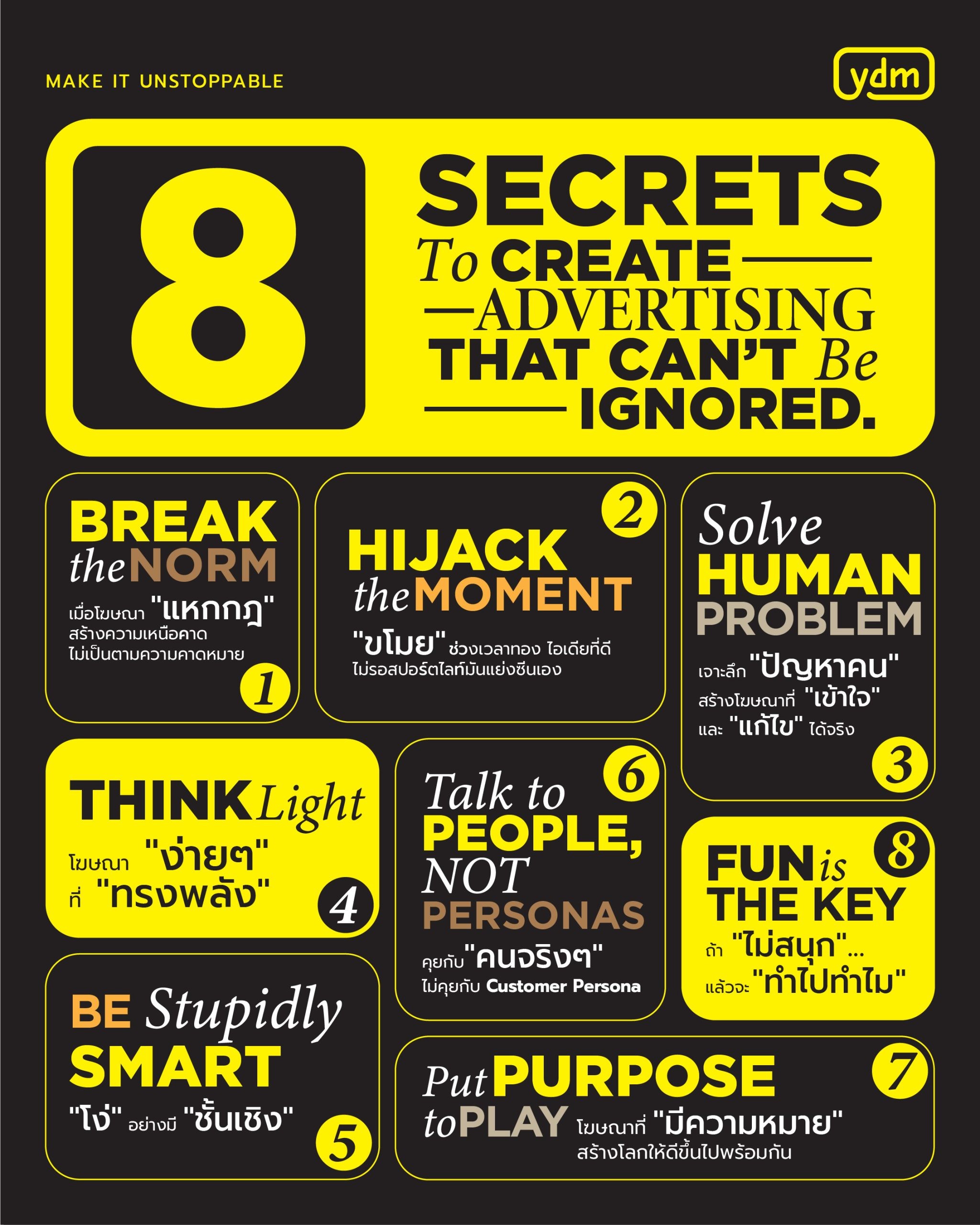
Unlocking the Secret: 8 Keys to Creating Impactful Advertising Campaigns
Jan 15, 2025
{
News
}
Unlocking the Secret: 8 Keys to Creating Impactful Advertising Campaigns
Jan 15, 2025
{
News
}
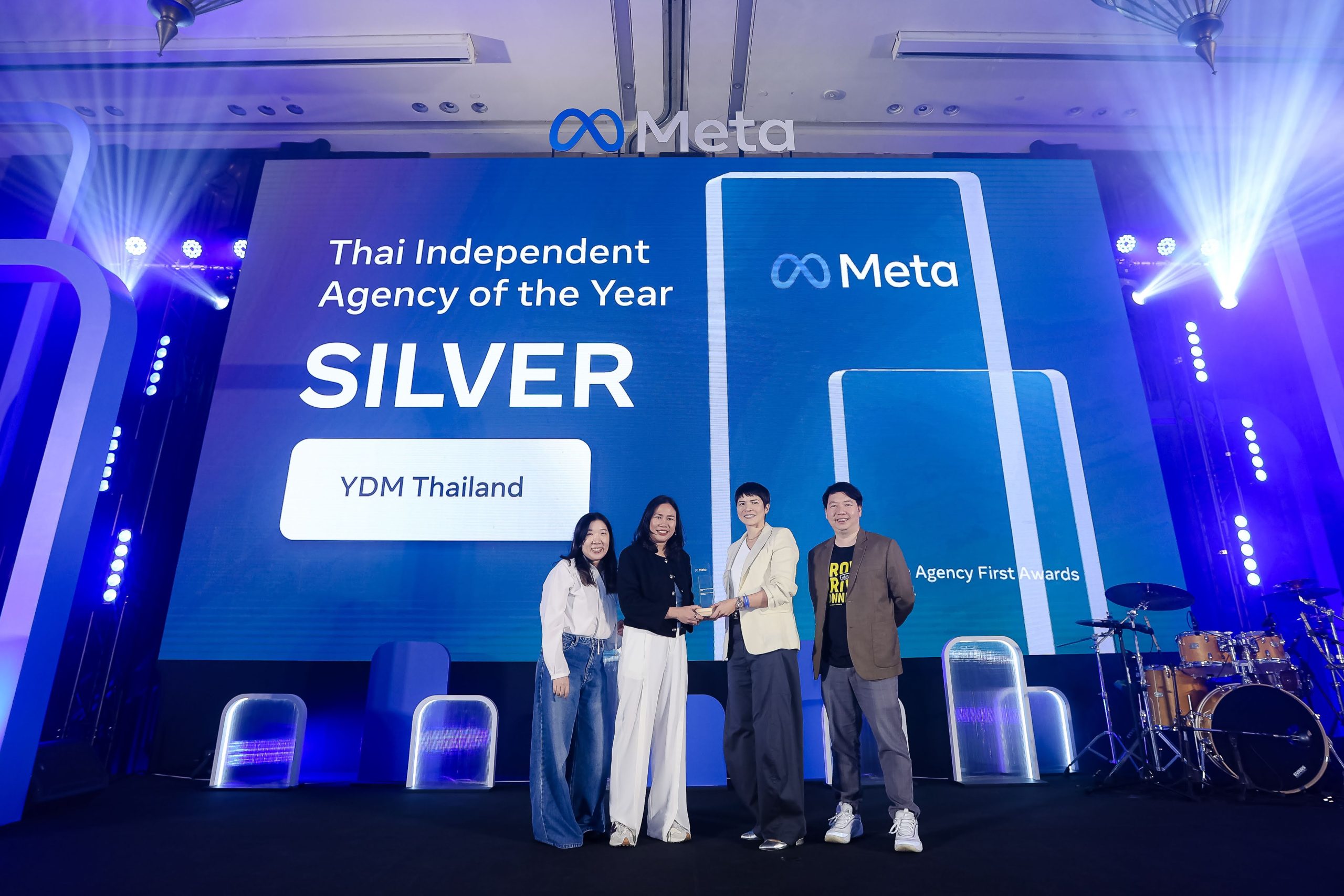
YDM Makes Waves with Double Wins at Meta Awards, Reveals Key Drivers Behind Its Success
Dec 24, 2024
{
News
}
YDM Makes Waves with Double Wins at Meta Awards, Reveals Key Drivers Behind Its Success
Dec 24, 2024
{
News
}
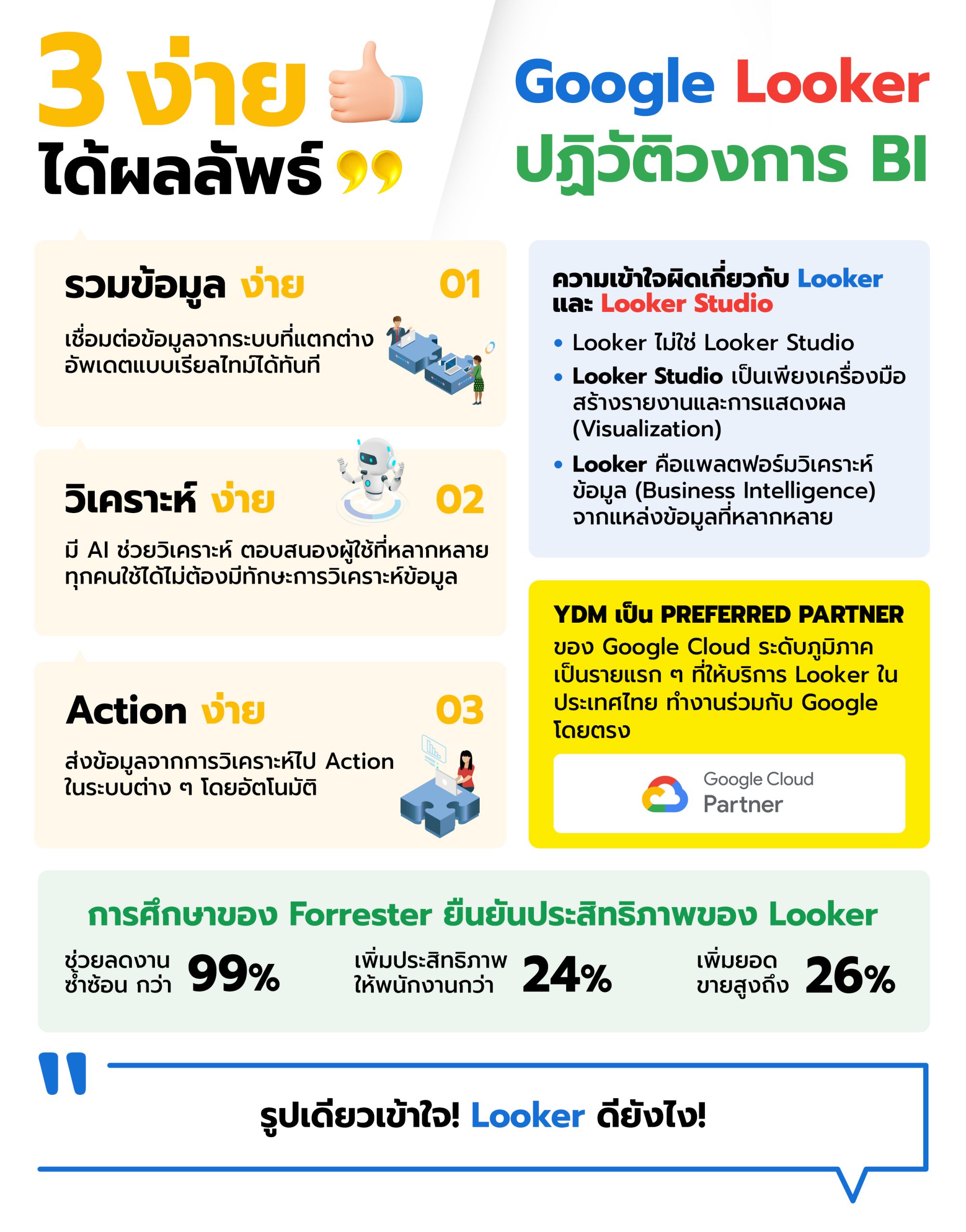
YDM Transforms the BI Landscape with Looker: Making Data “Simple” and More Effective (Looker is not Looker Studio)
Dec 17, 2024
{
News
}
YDM Transforms the BI Landscape with Looker: Making Data “Simple” and More Effective (Looker is not Looker Studio)
Dec 17, 2024
{
News
}
Unlocking the Secret: 8 Keys to Creating Impactful Advertising Campaigns
Jan 15, 2025
{
News
}
YDM Makes Waves with Double Wins at Meta Awards, Reveals Key Drivers Behind Its Success
Dec 24, 2024
{
News
}
YDM Transforms the BI Landscape with Looker: Making Data “Simple” and More Effective (Looker is not Looker Studio)
Dec 17, 2024
{
News
}
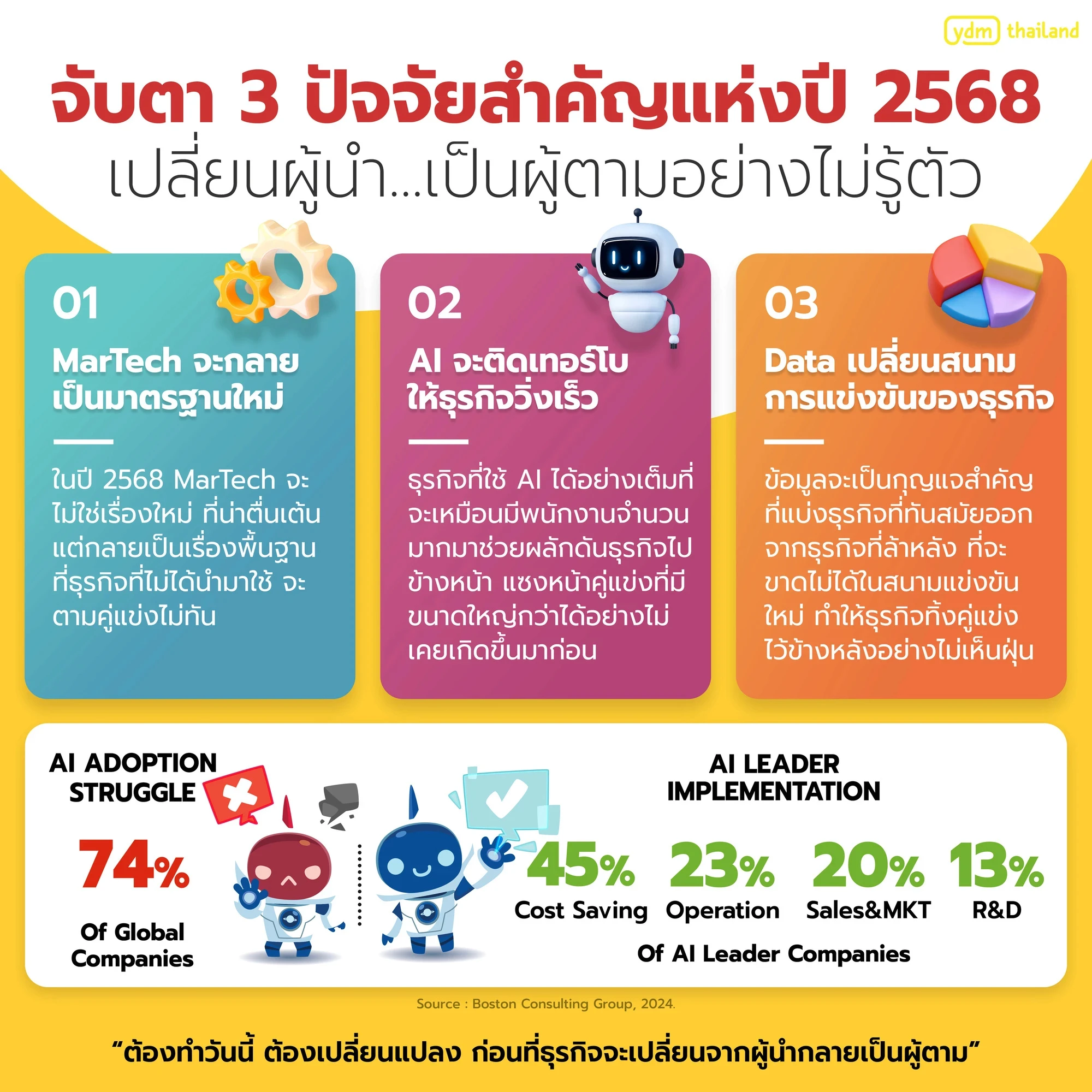
Watch Out: 3 Key Factors in 2025 That Could Turn Leaders into Followers Without Realizing It
Dec 3, 2024
{
News
}
Unlocking the Secret: 8 Keys to Creating Impactful Advertising Campaigns
Jan 15, 2025
{
News
}
YDM Makes Waves with Double Wins at Meta Awards, Reveals Key Drivers Behind Its Success
Dec 24, 2024
{
News
}
YDM Transforms the BI Landscape with Looker: Making Data “Simple” and More Effective (Looker is not Looker Studio)
Dec 17, 2024
{
News
}
Watch Out: 3 Key Factors in 2025 That Could Turn Leaders into Followers Without Realizing It
Dec 3, 2024