[
Article
]
Finish Romance of the Three Kingdoms and You Will Know Whom to Befriend for Success
Finish Romance of the Three Kingdoms and You Will Know Whom to Befriend for Success
By Tanapon Subsomboon, Chief Executive Officer, YDM Thailand
By Tanapon Subsomboon, Chief Executive Officer, YDM Thailand
By Tanapon Subsomboon, Chief Executive Officer, YDM Thailand

Toward the end of last year, I spent a great deal of time thinking—about past successes and problems—analyzing them in order to plan new strategies.
There was also one major problem for which I still could not see a solution: “Doer” is a model that requires managing “people,” which is something I am absolutely not skilled at as a nerdy programmer.
So I went to seek advice from several seniors, and one piece of advice was:
“Go watch Romance of the Three Kingdoms!”
In truth, I already knew that reading Romance of the Three Kingdoms would help with business management, but after working for 20 years, I had never once wanted to read it.
It is said that the version of Romance of the Three Kingdoms most of us read is less than 10% of the full book version, and reading the complete book can take an entire year. If I were to sit and read it from beginning to end, it would not be fast enough.
So I chose to watch the 2010 TV version first, a Chinese series that was easy and enjoyable to consume. It has 126 episodes at 30 minutes each—about 60 hours total—which I finished in two weeks.
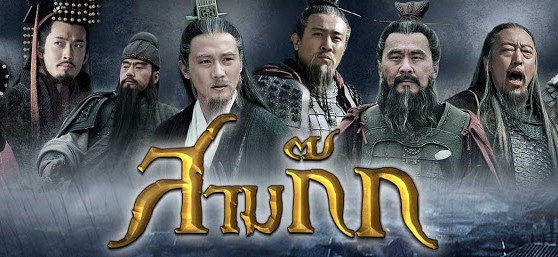
Finish Three Kingdoms… and still not know whom to befriend?
After watching only a few episodes, I felt that beyond learning about deception, betrayal, politics, strategy, problem analysis, decisions based on real information, morality, and honesty, the thing I learned most was “people.” Romance of the Three Kingdoms has hundreds of characters, each representing different kinds of people for us to study in terms of personality, behavior, understanding others’ thinking, and using people well.
In this story, no one is 100% good or 100% evil. Sometimes good people do bad things, and bad people may also do things that are admirable and moral. For example:
Liu Bei appears to be the hero. People praise him as a man of virtue, and he is followed by many capable people such as Guan Yu, Zhang Fei, Zhao Yun, and Zhuge Liang. But because he is “too good,” he becomes weak and hesitant, blocked at every turn. Whoever joins him seems to collapse, while he himself eventually prospers instead.
Sun Quan is intelligent and a brilliant politician. He had to inherit leadership from his father and elder brother while still young, which left him inexperienced and surrounded by powerful senior subordinates. Yet he was still able to win respect and loyalty. Although he may appear weak, he is clever and persistent, using strategies without concern for appearances for the sake of his kingdom—even to the point of marrying off his younger sister in exchange for what he wanted. He is praised as a good ruler who kept his territory peaceful and his people content, rarely attacking others but building strong defenses so no one could invade easily.
Cao Cao is known as the tyrant of the age—he would rather betray the whole world than let the world betray him. He dares to do whatever it takes to reach his goal. Yet he is still respected and admired, and he knows many ways to win people’s hearts. He has extremely strong leadership, so much so that capable men like Sima Yi, who was as talented as Zhuge Liang, honored him as their only master and obeyed him completely. He was able to gather many cities into the largest and most powerful kingdom.
A good weapon in the hands of a good person creates good results
I believe that if younger people watch Romance of the Three Kingdoms, they will gain a better perspective on understanding people, analyzing and planning, and applying those lessons to working with others, managing teams, and taking care of clients. I strongly recommend it. It is definitely worth the time spent.
As the saying goes, “If you have not yet read Romance of the Three Kingdoms, do not think of undertaking great endeavors.”
Toward the end of last year, I spent a great deal of time thinking—about past successes and problems—analyzing them in order to plan new strategies.
There was also one major problem for which I still could not see a solution: “Doer” is a model that requires managing “people,” which is something I am absolutely not skilled at as a nerdy programmer.
So I went to seek advice from several seniors, and one piece of advice was:
“Go watch Romance of the Three Kingdoms!”
In truth, I already knew that reading Romance of the Three Kingdoms would help with business management, but after working for 20 years, I had never once wanted to read it.
It is said that the version of Romance of the Three Kingdoms most of us read is less than 10% of the full book version, and reading the complete book can take an entire year. If I were to sit and read it from beginning to end, it would not be fast enough.
So I chose to watch the 2010 TV version first, a Chinese series that was easy and enjoyable to consume. It has 126 episodes at 30 minutes each—about 60 hours total—which I finished in two weeks.
Finish Three Kingdoms… and still not know whom to befriend?
After watching only a few episodes, I felt that beyond learning about deception, betrayal, politics, strategy, problem analysis, decisions based on real information, morality, and honesty, the thing I learned most was “people.” Romance of the Three Kingdoms has hundreds of characters, each representing different kinds of people for us to study in terms of personality, behavior, understanding others’ thinking, and using people well.
In this story, no one is 100% good or 100% evil. Sometimes good people do bad things, and bad people may also do things that are admirable and moral. For example:
Liu Bei appears to be the hero. People praise him as a man of virtue, and he is followed by many capable people such as Guan Yu, Zhang Fei, Zhao Yun, and Zhuge Liang. But because he is “too good,” he becomes weak and hesitant, blocked at every turn. Whoever joins him seems to collapse, while he himself eventually prospers instead.
Sun Quan is intelligent and a brilliant politician. He had to inherit leadership from his father and elder brother while still young, which left him inexperienced and surrounded by powerful senior subordinates. Yet he was still able to win respect and loyalty. Although he may appear weak, he is clever and persistent, using strategies without concern for appearances for the sake of his kingdom—even to the point of marrying off his younger sister in exchange for what he wanted. He is praised as a good ruler who kept his territory peaceful and his people content, rarely attacking others but building strong defenses so no one could invade easily.
Cao Cao is known as the tyrant of the age—he would rather betray the whole world than let the world betray him. He dares to do whatever it takes to reach his goal. Yet he is still respected and admired, and he knows many ways to win people’s hearts. He has extremely strong leadership, so much so that capable men like Sima Yi, who was as talented as Zhuge Liang, honored him as their only master and obeyed him completely. He was able to gather many cities into the largest and most powerful kingdom.
A good weapon in the hands of a good person creates good results
I believe that if younger people watch Romance of the Three Kingdoms, they will gain a better perspective on understanding people, analyzing and planning, and applying those lessons to working with others, managing teams, and taking care of clients. I strongly recommend it. It is definitely worth the time spent.
As the saying goes, “If you have not yet read Romance of the Three Kingdoms, do not think of undertaking great endeavors.”
Toward the end of last year, I spent a great deal of time thinking—about past successes and problems—analyzing them in order to plan new strategies.
There was also one major problem for which I still could not see a solution: “Doer” is a model that requires managing “people,” which is something I am absolutely not skilled at as a nerdy programmer.
So I went to seek advice from several seniors, and one piece of advice was:
“Go watch Romance of the Three Kingdoms!”
In truth, I already knew that reading Romance of the Three Kingdoms would help with business management, but after working for 20 years, I had never once wanted to read it.
It is said that the version of Romance of the Three Kingdoms most of us read is less than 10% of the full book version, and reading the complete book can take an entire year. If I were to sit and read it from beginning to end, it would not be fast enough.
So I chose to watch the 2010 TV version first, a Chinese series that was easy and enjoyable to consume. It has 126 episodes at 30 minutes each—about 60 hours total—which I finished in two weeks.
Finish Three Kingdoms… and still not know whom to befriend?
After watching only a few episodes, I felt that beyond learning about deception, betrayal, politics, strategy, problem analysis, decisions based on real information, morality, and honesty, the thing I learned most was “people.” Romance of the Three Kingdoms has hundreds of characters, each representing different kinds of people for us to study in terms of personality, behavior, understanding others’ thinking, and using people well.
In this story, no one is 100% good or 100% evil. Sometimes good people do bad things, and bad people may also do things that are admirable and moral. For example:
Liu Bei appears to be the hero. People praise him as a man of virtue, and he is followed by many capable people such as Guan Yu, Zhang Fei, Zhao Yun, and Zhuge Liang. But because he is “too good,” he becomes weak and hesitant, blocked at every turn. Whoever joins him seems to collapse, while he himself eventually prospers instead.
Sun Quan is intelligent and a brilliant politician. He had to inherit leadership from his father and elder brother while still young, which left him inexperienced and surrounded by powerful senior subordinates. Yet he was still able to win respect and loyalty. Although he may appear weak, he is clever and persistent, using strategies without concern for appearances for the sake of his kingdom—even to the point of marrying off his younger sister in exchange for what he wanted. He is praised as a good ruler who kept his territory peaceful and his people content, rarely attacking others but building strong defenses so no one could invade easily.
Cao Cao is known as the tyrant of the age—he would rather betray the whole world than let the world betray him. He dares to do whatever it takes to reach his goal. Yet he is still respected and admired, and he knows many ways to win people’s hearts. He has extremely strong leadership, so much so that capable men like Sima Yi, who was as talented as Zhuge Liang, honored him as their only master and obeyed him completely. He was able to gather many cities into the largest and most powerful kingdom.
A good weapon in the hands of a good person creates good results
I believe that if younger people watch Romance of the Three Kingdoms, they will gain a better perspective on understanding people, analyzing and planning, and applying those lessons to working with others, managing teams, and taking care of clients. I strongly recommend it. It is definitely worth the time spent.
As the saying goes, “If you have not yet read Romance of the Three Kingdoms, do not think of undertaking great endeavors.”
[
Connect
]
How can we help you innovate?
Drop us a line.
Get in
touch
[
Connect
]
How can we help you innovate?
Drop us a line.
Get in
touch
[
Connect
]
How can we help you innovate?
Drop us a line.
Get in
touch
Related
Movements.
{
News
}
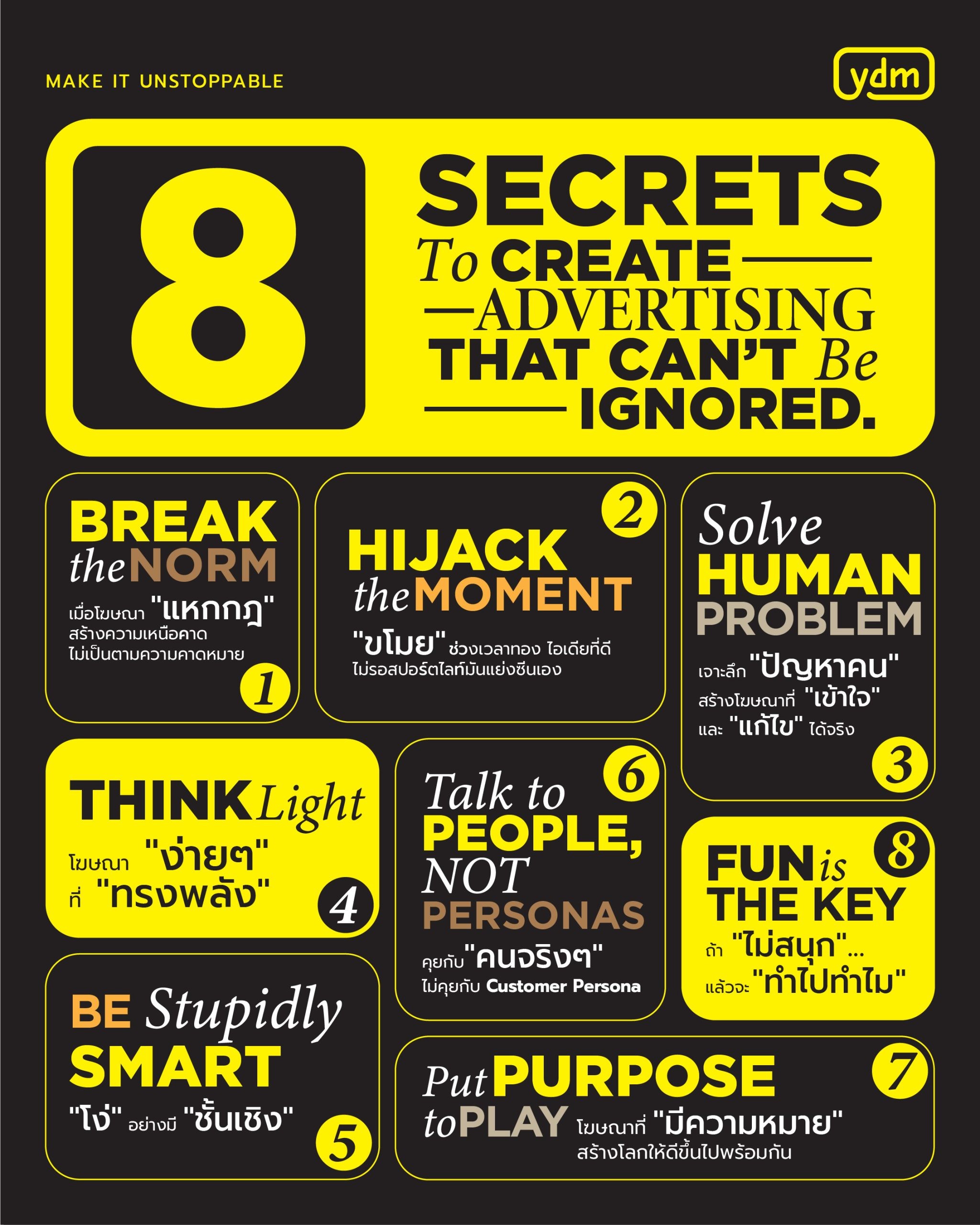
Unlocking the Secret: 8 Keys to Creating Impactful Advertising Campaigns
Jan 15, 2025
{
News
}
Unlocking the Secret: 8 Keys to Creating Impactful Advertising Campaigns
Jan 15, 2025

{
News
}
YDM Makes Waves with Double Wins at Meta Awards, Reveals Key Drivers Behind Its Success
Dec 24, 2024
{
News
}
YDM Makes Waves with Double Wins at Meta Awards, Reveals Key Drivers Behind Its Success
Dec 24, 2024
{
News
}
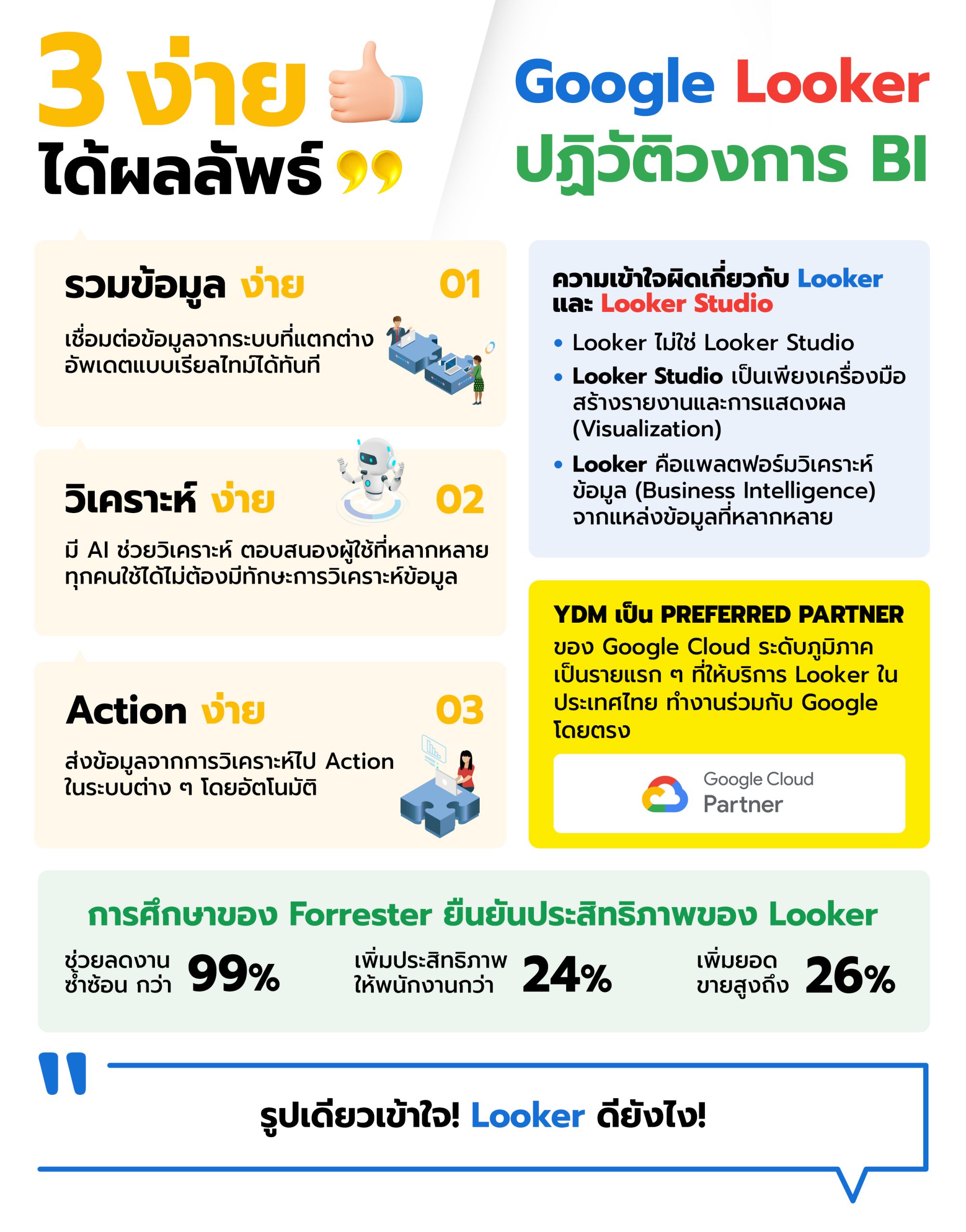
YDM Transforms the BI Landscape with Looker: Making Data “Simple” and More Effective (Looker is not Looker Studio)
Dec 17, 2024
{
News
}
YDM Transforms the BI Landscape with Looker: Making Data “Simple” and More Effective (Looker is not Looker Studio)
Dec 17, 2024
{
News
}
Unlocking the Secret: 8 Keys to Creating Impactful Advertising Campaigns
Jan 15, 2025
{
News
}
YDM Makes Waves with Double Wins at Meta Awards, Reveals Key Drivers Behind Its Success
Dec 24, 2024
{
News
}
YDM Transforms the BI Landscape with Looker: Making Data “Simple” and More Effective (Looker is not Looker Studio)
Dec 17, 2024
{
News
}
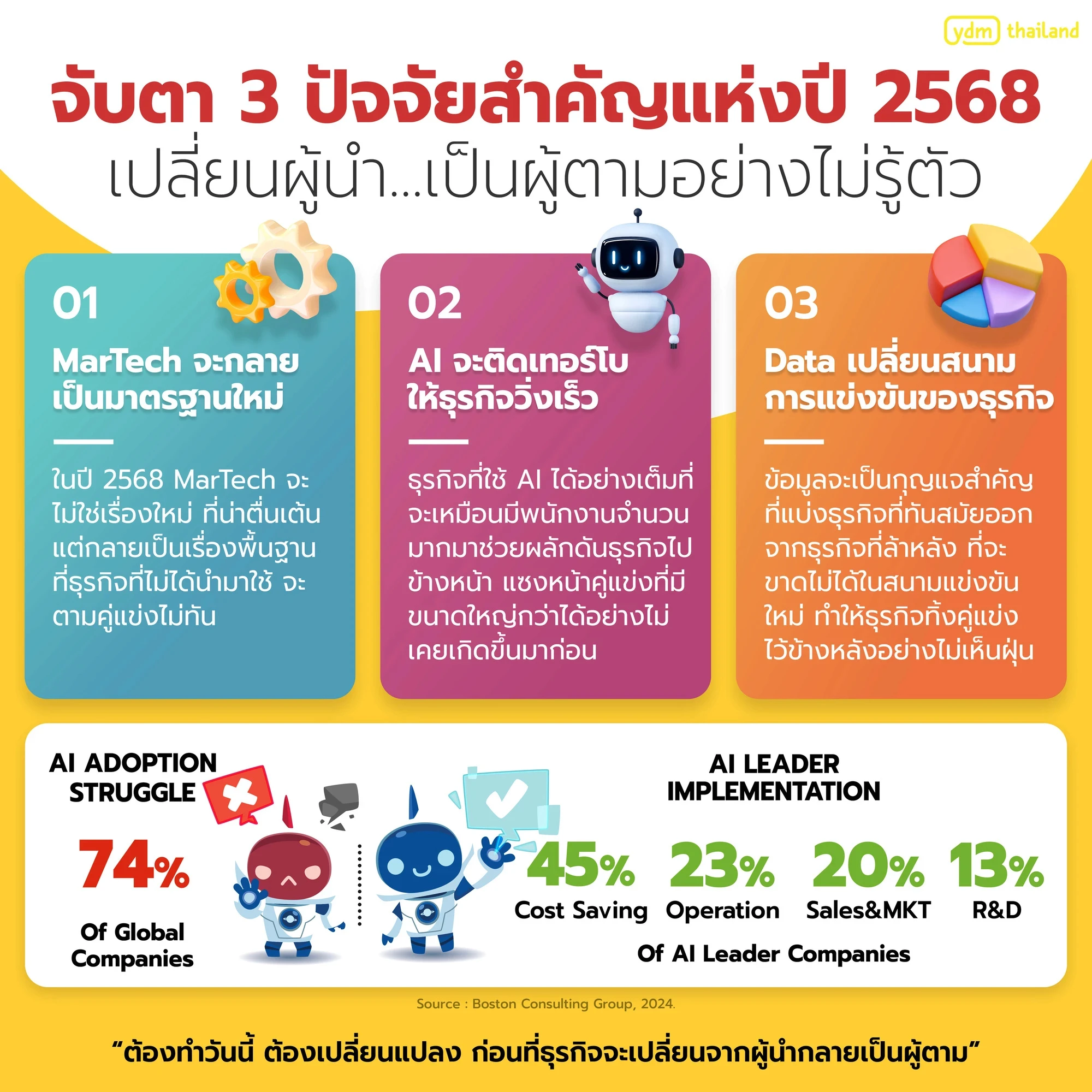
Watch Out: 3 Key Factors in 2025 That Could Turn Leaders into Followers Without Realizing It
Dec 3, 2024
{
News
}
Unlocking the Secret: 8 Keys to Creating Impactful Advertising Campaigns
Jan 15, 2025
{
News
}
YDM Makes Waves with Double Wins at Meta Awards, Reveals Key Drivers Behind Its Success
Dec 24, 2024
{
News
}
YDM Transforms the BI Landscape with Looker: Making Data “Simple” and More Effective (Looker is not Looker Studio)
Dec 17, 2024
{
News
}
Watch Out: 3 Key Factors in 2025 That Could Turn Leaders into Followers Without Realizing It
Dec 3, 2024