
The topic of advertising and marketing in China was raised at New York Advertising Week for the first time this year, after never having been discussed in previous years. It drew great interest from attendees from around the world, making this year’s Advertising Week rather special. It showed that global marketers are beginning to recognize the importance of the Chinese market. With such a large population, China is often seen as a market of equally large opportunity. These are things we have long known and agreed with. However, entering the Chinese market is not easy. For many detailed and complex reasons, even foreign marketers themselves still do not fully understand it. The main points discussed at the event can be summarized as follows.
1. Chinese people are more creative than you think
Beyond the sheer size of the Chinese market, marketers at the event highlighted something even more interesting: the originality of Chinese marketing. At the event, a video was shown about the Forbidden City, presented through a Chinese celebrity character who traveled back in time through the Forbidden City and imagined what it would have been like if ancient times had had advanced technology like today. The advertisement demonstrated creativity and greater openness in Chinese advertising and marketing, challenging the old foreign perception that Chinese people were outdated or unfashionable.
Example 1 http://www.360doc.com/content/16/0718/18/19519242_576582641.shtml
Example 2 http://www.epub360.com/v2/manage/book/kbf031/present/
2. A different direction in technology
At present, both America and China are moving in a similar direction in marketing—performance marketing, meaning marketing focused on results and measurable statistics. But in practice, China is far more nuanced and different from America than it may appear. For example, when Apple announced on September 25 that the Safari browser would delete cookies (data from website visits) every 24 hours, it caused major uproar and had a significant effect on ad systems such as retargeting. Advertising associations in the United States strongly opposed it. In China, however, it barely caused any impact because Chinese people use the internet primarily on mobile phones, while Apple’s cookie deletion affected PCs much more.
Another example is QR codes. Europe and America started using them earlier, but they never became very popular there. In China, by contrast, they became enormously popular and have turned into part of daily life.
3. You may think differently, but you must understand
Sometimes international brands entering China still do not understand Chinese culture and thinking well enough. One example is The Voice China. No international brand wanted to sponsor the show, perhaps believing it would not be very popular, so only Chinese brands stepped in. In the end, the show became highly popular and gained a huge following. This requires familiarity and deep understanding of Chinese emotions and desires.
Another example is personal care products such as shampoo, soap, and toothpaste. In most countries, these categories are almost completely dominated by famous global brands. China is different, because local Chinese brands still enjoy strong popularity and hold large market share. The reason is that international brands may not have adapted quickly enough or understood the subtleties of Chinese marketing well enough. As a result, they were unable to perform in China as intended. Still, some famous international brands have done well—for example McDonald’s, which extended store opening hours until midnight during university exam periods because it understood that Chinese students study very hard near exams. McDonald’s created this campaign to support and encourage students, and in the end it received an overwhelmingly positive response.

The topic of advertising and marketing in China was raised at New York Advertising Week for the first time this year, after never having been discussed in previous years. It drew great interest from attendees from around the world, making this year’s Advertising Week rather special. It showed that global marketers are beginning to recognize the importance of the Chinese market. With such a large population, China is often seen as a market of equally large opportunity. These are things we have long known and agreed with. However, entering the Chinese market is not easy. For many detailed and complex reasons, even foreign marketers themselves still do not fully understand it. The main points discussed at the event can be summarized as follows.
1. Chinese people are more creative than you think
Beyond the sheer size of the Chinese market, marketers at the event highlighted something even more interesting: the originality of Chinese marketing. At the event, a video was shown about the Forbidden City, presented through a Chinese celebrity character who traveled back in time through the Forbidden City and imagined what it would have been like if ancient times had had advanced technology like today. The advertisement demonstrated creativity and greater openness in Chinese advertising and marketing, challenging the old foreign perception that Chinese people were outdated or unfashionable.
Example 1 http://www.360doc.com/content/16/0718/18/19519242_576582641.shtml
Example 2 http://www.epub360.com/v2/manage/book/kbf031/present/
2. A different direction in technology
At present, both America and China are moving in a similar direction in marketing—performance marketing, meaning marketing focused on results and measurable statistics. But in practice, China is far more nuanced and different from America than it may appear. For example, when Apple announced on September 25 that the Safari browser would delete cookies (data from website visits) every 24 hours, it caused major uproar and had a significant effect on ad systems such as retargeting. Advertising associations in the United States strongly opposed it. In China, however, it barely caused any impact because Chinese people use the internet primarily on mobile phones, while Apple’s cookie deletion affected PCs much more.
Another example is QR codes. Europe and America started using them earlier, but they never became very popular there. In China, by contrast, they became enormously popular and have turned into part of daily life.
3. You may think differently, but you must understand
Sometimes international brands entering China still do not understand Chinese culture and thinking well enough. One example is The Voice China. No international brand wanted to sponsor the show, perhaps believing it would not be very popular, so only Chinese brands stepped in. In the end, the show became highly popular and gained a huge following. This requires familiarity and deep understanding of Chinese emotions and desires.
Another example is personal care products such as shampoo, soap, and toothpaste. In most countries, these categories are almost completely dominated by famous global brands. China is different, because local Chinese brands still enjoy strong popularity and hold large market share. The reason is that international brands may not have adapted quickly enough or understood the subtleties of Chinese marketing well enough. As a result, they were unable to perform in China as intended. Still, some famous international brands have done well—for example McDonald’s, which extended store opening hours until midnight during university exam periods because it understood that Chinese students study very hard near exams. McDonald’s created this campaign to support and encourage students, and in the end it received an overwhelmingly positive response.
The topic of advertising and marketing in China was raised at New York Advertising Week for the first time this year, after never having been discussed in previous years. It drew great interest from attendees from around the world, making this year’s Advertising Week rather special. It showed that global marketers are beginning to recognize the importance of the Chinese market. With such a large population, China is often seen as a market of equally large opportunity. These are things we have long known and agreed with. However, entering the Chinese market is not easy. For many detailed and complex reasons, even foreign marketers themselves still do not fully understand it. The main points discussed at the event can be summarized as follows.
1. Chinese people are more creative than you think
Beyond the sheer size of the Chinese market, marketers at the event highlighted something even more interesting: the originality of Chinese marketing. At the event, a video was shown about the Forbidden City, presented through a Chinese celebrity character who traveled back in time through the Forbidden City and imagined what it would have been like if ancient times had had advanced technology like today. The advertisement demonstrated creativity and greater openness in Chinese advertising and marketing, challenging the old foreign perception that Chinese people were outdated or unfashionable.
Example 1 http://www.360doc.com/content/16/0718/18/19519242_576582641.shtml
Example 2 http://www.epub360.com/v2/manage/book/kbf031/present/
2. A different direction in technology
At present, both America and China are moving in a similar direction in marketing—performance marketing, meaning marketing focused on results and measurable statistics. But in practice, China is far more nuanced and different from America than it may appear. For example, when Apple announced on September 25 that the Safari browser would delete cookies (data from website visits) every 24 hours, it caused major uproar and had a significant effect on ad systems such as retargeting. Advertising associations in the United States strongly opposed it. In China, however, it barely caused any impact because Chinese people use the internet primarily on mobile phones, while Apple’s cookie deletion affected PCs much more.
Another example is QR codes. Europe and America started using them earlier, but they never became very popular there. In China, by contrast, they became enormously popular and have turned into part of daily life.
3. You may think differently, but you must understand
Sometimes international brands entering China still do not understand Chinese culture and thinking well enough. One example is The Voice China. No international brand wanted to sponsor the show, perhaps believing it would not be very popular, so only Chinese brands stepped in. In the end, the show became highly popular and gained a huge following. This requires familiarity and deep understanding of Chinese emotions and desires.
Another example is personal care products such as shampoo, soap, and toothpaste. In most countries, these categories are almost completely dominated by famous global brands. China is different, because local Chinese brands still enjoy strong popularity and hold large market share. The reason is that international brands may not have adapted quickly enough or understood the subtleties of Chinese marketing well enough. As a result, they were unable to perform in China as intended. Still, some famous international brands have done well—for example McDonald’s, which extended store opening hours until midnight during university exam periods because it understood that Chinese students study very hard near exams. McDonald’s created this campaign to support and encourage students, and in the end it received an overwhelmingly positive response.
[
Connect
]
How can we help you innovate?
Drop us a line.
Get in
touch
[
Connect
]
How can we help you innovate?
Drop us a line.
Get in
touch
[
Connect
]
How can we help you innovate?
Drop us a line.
Get in
touch
Related
Movements.

{
News
}
Unlocking the Secret: 8 Keys to Creating Impactful Advertising Campaigns
Jan 15, 2025
{
News
}
Unlocking the Secret: 8 Keys to Creating Impactful Advertising Campaigns
Jan 15, 2025

{
News
}
YDM Makes Waves with Double Wins at Meta Awards, Reveals Key Drivers Behind Its Success
Dec 24, 2024
{
News
}
YDM Makes Waves with Double Wins at Meta Awards, Reveals Key Drivers Behind Its Success
Dec 24, 2024
{
News
}
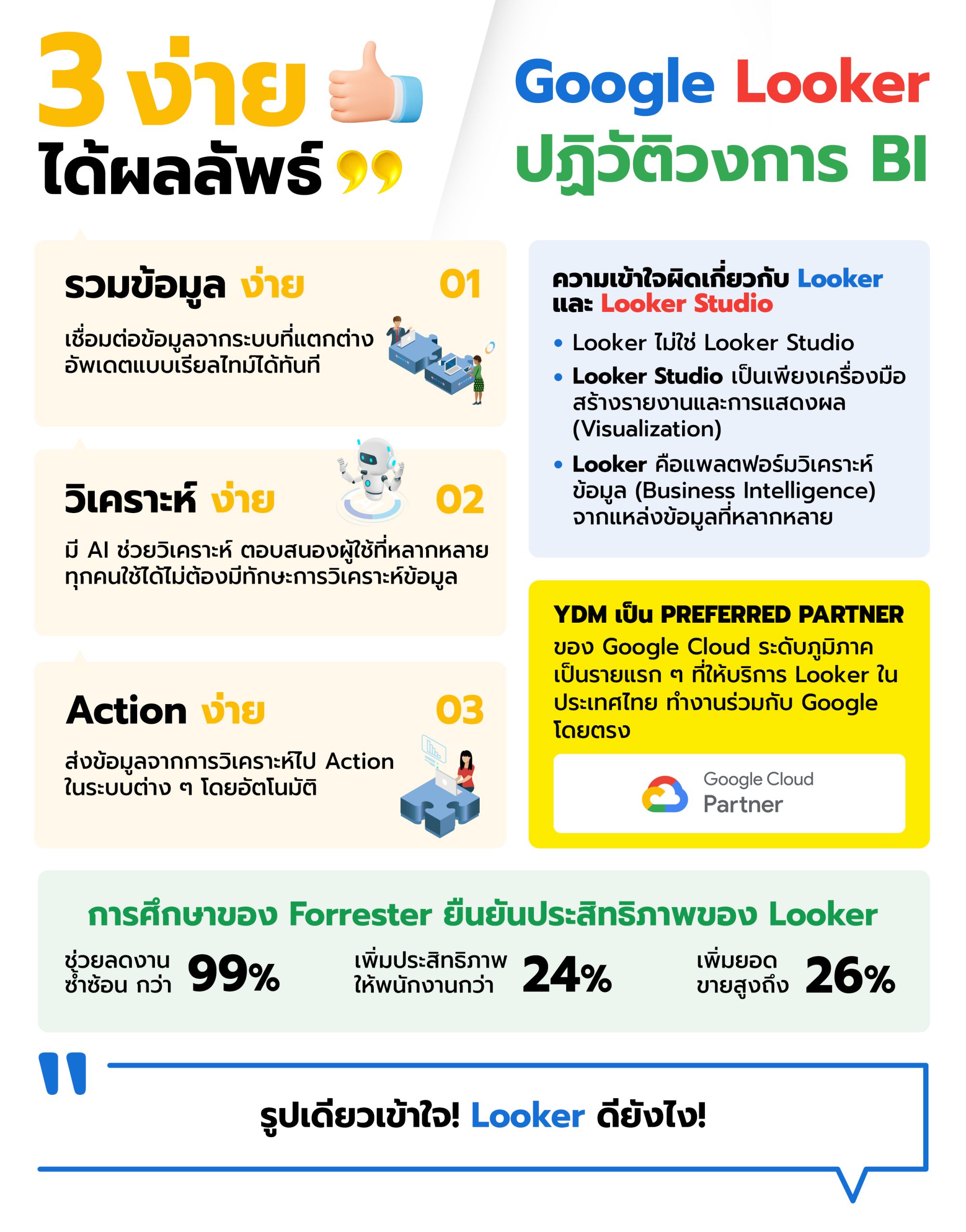
YDM Transforms the BI Landscape with Looker: Making Data “Simple” and More Effective (Looker is not Looker Studio)
Dec 17, 2024
{
News
}
YDM Transforms the BI Landscape with Looker: Making Data “Simple” and More Effective (Looker is not Looker Studio)
Dec 17, 2024
{
News
}
Unlocking the Secret: 8 Keys to Creating Impactful Advertising Campaigns
Jan 15, 2025
{
News
}
YDM Makes Waves with Double Wins at Meta Awards, Reveals Key Drivers Behind Its Success
Dec 24, 2024
{
News
}
YDM Transforms the BI Landscape with Looker: Making Data “Simple” and More Effective (Looker is not Looker Studio)
Dec 17, 2024
{
News
}
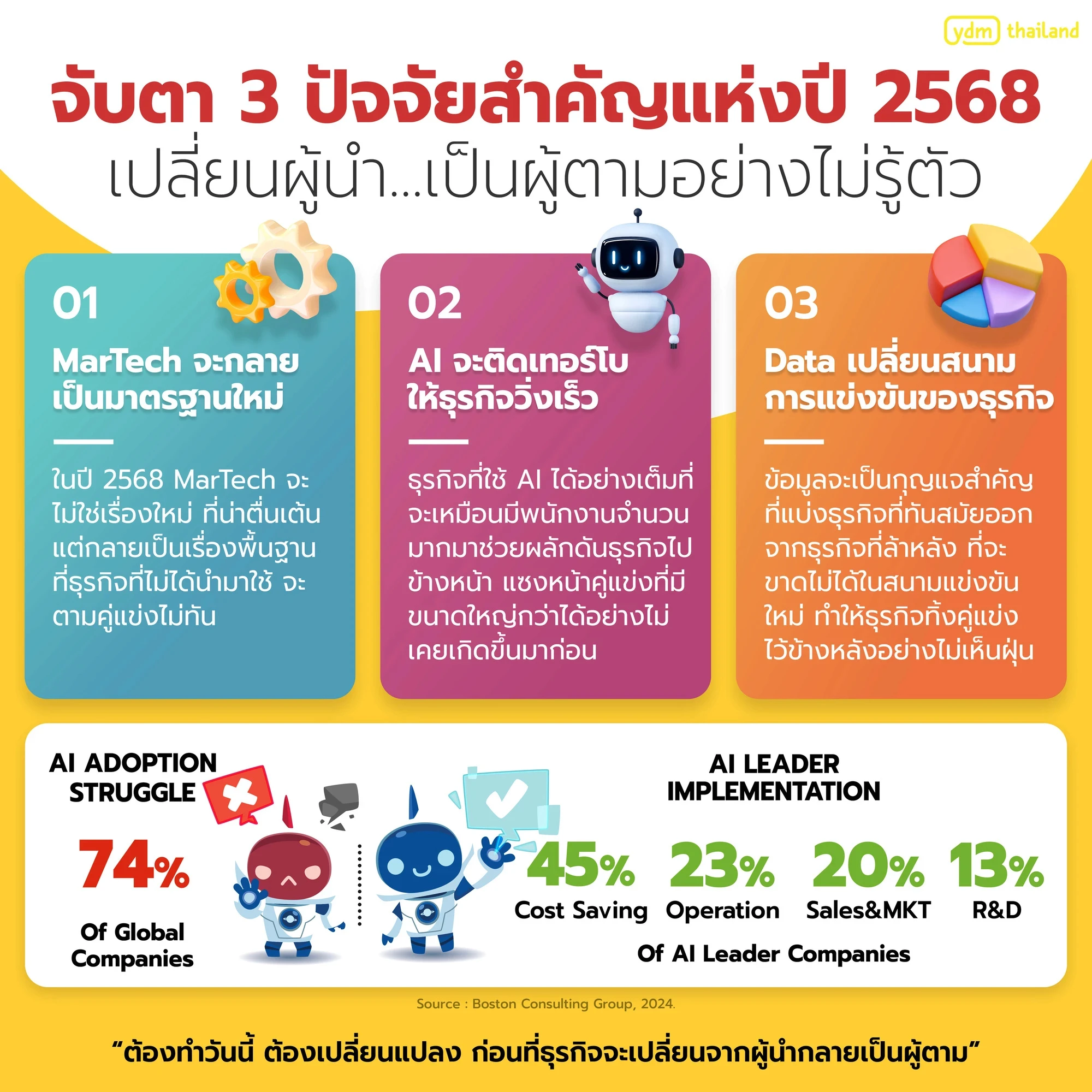
Watch Out: 3 Key Factors in 2025 That Could Turn Leaders into Followers Without Realizing It
Dec 3, 2024
{
News
}
Unlocking the Secret: 8 Keys to Creating Impactful Advertising Campaigns
Jan 15, 2025
{
News
}
YDM Makes Waves with Double Wins at Meta Awards, Reveals Key Drivers Behind Its Success
Dec 24, 2024
{
News
}
YDM Transforms the BI Landscape with Looker: Making Data “Simple” and More Effective (Looker is not Looker Studio)
Dec 17, 2024
{
News
}
Watch Out: 3 Key Factors in 2025 That Could Turn Leaders into Followers Without Realizing It
Dec 3, 2024