
It is fair to say that the main goal of a real estate business is to generate leads to pass on to the sales team for follow-up and closing deals. The more leads there are, the happier the sales team will be. However, generating quality leads depends on many factors.
These include targeting the right audience with ads, creating compelling creative materials, using promotions that stimulate purchase intent—and one more important thing that is easy to do but often overlooked by marketers: “optimizing the website to increase leads.”
Many times, we use media to drive tens or hundreds of thousands of visitors to a website, but receive very few leads, or none at all. That means the media budget has been wasted. This leads many marketers to review the website and ask, “Is our site not attractive enough?” or “Is it not appealing?” But wait—the problem may not be beauty alone, because nowadays beauty by itself is not the key factor that generates leads.
So we would like to present a website optimization method using the “CSS” concept—three simple steps that, with just a few adjustments, can increase leads substantially.
1. Clear objective: Have a clear objective for visitors

Clearly state what visitors will receive from visiting the website, and explain the benefits users will get after filling out the form, such as the percentage discount they will receive or the value of any gift voucher. This also helps increase the form completion rate.
2. Simple form: Make the form as easy as possible

As mentioned above, many times we focus so much on website design and appearance that we forget about ease of use for customers—especially when asking them to fill in information beyond basic contact details, such as address, position, or salary. While that may indeed provide more customer insight,
do not forget that the more information you require customers to fill in, the lower the form completion rate will be. So it is better to keep only the most essential information.
3. Web Speed: Increase website loading speed

Slow website loading is a major cause of lower lead form completion rates. Google research on web speed found that if a website takes more than 3 seconds to load, the visitor bounce rate can reach as high as 53%, which is a very high figure. The recommended loading speed should be no lower than 1.3 seconds.
There are many ways to improve website speed, whether by adjusting code, reducing image sizes on the site, and most importantly, optimizing speed on mobile as well, because 90% of website visitors today primarily come from mobile.
These three parts are basic website optimization practices that, with just some adjustments, can help marketers increase leads by 50%–120% and use media budgets much more efficiently.

It is fair to say that the main goal of a real estate business is to generate leads to pass on to the sales team for follow-up and closing deals. The more leads there are, the happier the sales team will be. However, generating quality leads depends on many factors.
These include targeting the right audience with ads, creating compelling creative materials, using promotions that stimulate purchase intent—and one more important thing that is easy to do but often overlooked by marketers: “optimizing the website to increase leads.”
Many times, we use media to drive tens or hundreds of thousands of visitors to a website, but receive very few leads, or none at all. That means the media budget has been wasted. This leads many marketers to review the website and ask, “Is our site not attractive enough?” or “Is it not appealing?” But wait—the problem may not be beauty alone, because nowadays beauty by itself is not the key factor that generates leads.
So we would like to present a website optimization method using the “CSS” concept—three simple steps that, with just a few adjustments, can increase leads substantially.
1. Clear objective: Have a clear objective for visitors
Clearly state what visitors will receive from visiting the website, and explain the benefits users will get after filling out the form, such as the percentage discount they will receive or the value of any gift voucher. This also helps increase the form completion rate.
2. Simple form: Make the form as easy as possible
As mentioned above, many times we focus so much on website design and appearance that we forget about ease of use for customers—especially when asking them to fill in information beyond basic contact details, such as address, position, or salary. While that may indeed provide more customer insight,
do not forget that the more information you require customers to fill in, the lower the form completion rate will be. So it is better to keep only the most essential information.
3. Web Speed: Increase website loading speed
Slow website loading is a major cause of lower lead form completion rates. Google research on web speed found that if a website takes more than 3 seconds to load, the visitor bounce rate can reach as high as 53%, which is a very high figure. The recommended loading speed should be no lower than 1.3 seconds.
There are many ways to improve website speed, whether by adjusting code, reducing image sizes on the site, and most importantly, optimizing speed on mobile as well, because 90% of website visitors today primarily come from mobile.
These three parts are basic website optimization practices that, with just some adjustments, can help marketers increase leads by 50%–120% and use media budgets much more efficiently.
It is fair to say that the main goal of a real estate business is to generate leads to pass on to the sales team for follow-up and closing deals. The more leads there are, the happier the sales team will be. However, generating quality leads depends on many factors.
These include targeting the right audience with ads, creating compelling creative materials, using promotions that stimulate purchase intent—and one more important thing that is easy to do but often overlooked by marketers: “optimizing the website to increase leads.”
Many times, we use media to drive tens or hundreds of thousands of visitors to a website, but receive very few leads, or none at all. That means the media budget has been wasted. This leads many marketers to review the website and ask, “Is our site not attractive enough?” or “Is it not appealing?” But wait—the problem may not be beauty alone, because nowadays beauty by itself is not the key factor that generates leads.
So we would like to present a website optimization method using the “CSS” concept—three simple steps that, with just a few adjustments, can increase leads substantially.
1. Clear objective: Have a clear objective for visitors
Clearly state what visitors will receive from visiting the website, and explain the benefits users will get after filling out the form, such as the percentage discount they will receive or the value of any gift voucher. This also helps increase the form completion rate.
2. Simple form: Make the form as easy as possible
As mentioned above, many times we focus so much on website design and appearance that we forget about ease of use for customers—especially when asking them to fill in information beyond basic contact details, such as address, position, or salary. While that may indeed provide more customer insight,
do not forget that the more information you require customers to fill in, the lower the form completion rate will be. So it is better to keep only the most essential information.
3. Web Speed: Increase website loading speed
Slow website loading is a major cause of lower lead form completion rates. Google research on web speed found that if a website takes more than 3 seconds to load, the visitor bounce rate can reach as high as 53%, which is a very high figure. The recommended loading speed should be no lower than 1.3 seconds.
There are many ways to improve website speed, whether by adjusting code, reducing image sizes on the site, and most importantly, optimizing speed on mobile as well, because 90% of website visitors today primarily come from mobile.
These three parts are basic website optimization practices that, with just some adjustments, can help marketers increase leads by 50%–120% and use media budgets much more efficiently.
[
Connect
]
How can we help you innovate?
Drop us a line.
Get in
touch
[
Connect
]
How can we help you innovate?
Drop us a line.
Get in
touch
[
Connect
]
How can we help you innovate?
Drop us a line.
Get in
touch
Related
Movements.

{
News
}
Unlocking the Secret: 8 Keys to Creating Impactful Advertising Campaigns
Jan 15, 2025
{
News
}
Unlocking the Secret: 8 Keys to Creating Impactful Advertising Campaigns
Jan 15, 2025

{
News
}
YDM Makes Waves with Double Wins at Meta Awards, Reveals Key Drivers Behind Its Success
Dec 24, 2024
{
News
}
YDM Makes Waves with Double Wins at Meta Awards, Reveals Key Drivers Behind Its Success
Dec 24, 2024
{
News
}
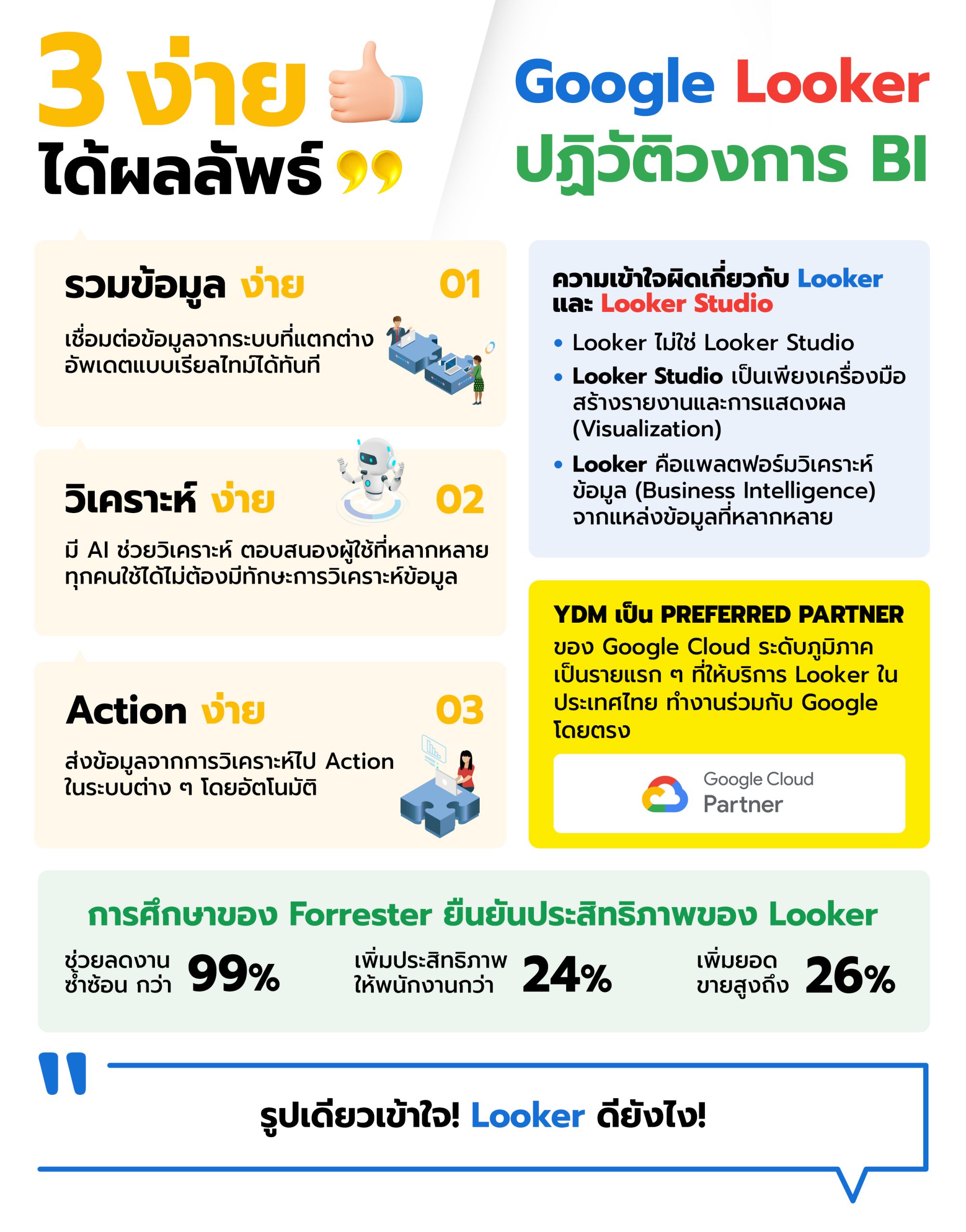
YDM Transforms the BI Landscape with Looker: Making Data “Simple” and More Effective (Looker is not Looker Studio)
Dec 17, 2024
{
News
}
YDM Transforms the BI Landscape with Looker: Making Data “Simple” and More Effective (Looker is not Looker Studio)
Dec 17, 2024
{
News
}
Unlocking the Secret: 8 Keys to Creating Impactful Advertising Campaigns
Jan 15, 2025
{
News
}
YDM Makes Waves with Double Wins at Meta Awards, Reveals Key Drivers Behind Its Success
Dec 24, 2024
{
News
}
YDM Transforms the BI Landscape with Looker: Making Data “Simple” and More Effective (Looker is not Looker Studio)
Dec 17, 2024

{
News
}
Watch Out: 3 Key Factors in 2025 That Could Turn Leaders into Followers Without Realizing It
Dec 3, 2024
{
News
}
Unlocking the Secret: 8 Keys to Creating Impactful Advertising Campaigns
Jan 15, 2025
{
News
}
YDM Makes Waves with Double Wins at Meta Awards, Reveals Key Drivers Behind Its Success
Dec 24, 2024
{
News
}
YDM Transforms the BI Landscape with Looker: Making Data “Simple” and More Effective (Looker is not Looker Studio)
Dec 17, 2024
{
News
}
Watch Out: 3 Key Factors in 2025 That Could Turn Leaders into Followers Without Realizing It
Dec 3, 2024