
It has become the talk of the digital industry after Mark Zuckerberg clearly announced that
from now on, Facebook will reduce Reach, or the visibility of page feeds that are not from friends or Groups!
To be honest, "Solbugtong" feels rather calm about this, because there has long been evidence from many sources, including my own experience, that Mark has quietly been reducing page reach for quite some time—from 100% in the early days, then gradually down until now, when it is estimated to be less than 1%!
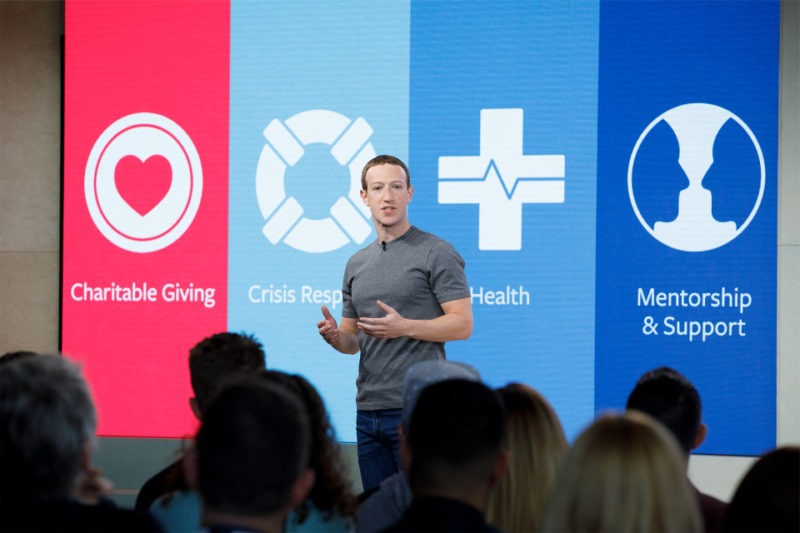
photo from newsroom.fb.com
The only difference is that this is the first time Mark has formally taken the microphone and announced it publicly.
So, if you have not poured huge budgets into buying Likes, or given away iPhones to boost Likes, take a deep breath and adapt like a lizard to a changing environment.
As for those who spent heavily on buying Likes, you will have to do the same—except that while taking that deep breath, I will allow you to inhale your favorite brand of smelling salts as well, to prevent dizziness and fainting. Suuuud!
So how should we adjust to this official change? Roughly like this:
o Set aside budget for Facebook advertising. This is the most direct response, and probably the one Mark likes best. In truth, it is perfectly normal for any business to allocate some budget for advertising and public relations. It is, after all, one of the 4Ps in Kotler’s marketing strategies.
“A man who stops advertising to save money is like a man, who stops a clock to save time”
o Create content more carefully. You may need to reduce the quantity of content and focus more on quality instead. Remember this well: if the content is not truly good, the effort is wasted, because no one will see it.
On the other hand, truly good content leads to interaction and engagement. When people stop to read, and many people Like, Comment, and Share, your page will gain higher Reach. Poor content, by contrast, will lower your page’s Reach.
o Learn to make video, or "live video." Research shows that video content can achieve twice the Reach of ordinary images. Even more impressive is live video, which can generate six times the Reach of regular video.
I fully understand how difficult it can be to be in front of the camera. Honestly, I have been in the digital marketing industry for 18 years, yet I have never once put my own face on a live Facebook video... it is embarrassing!

o Switch to creating a Group instead. I have seen some brands change strategy and move to Facebook Groups instead. It is a very Thai-style solution—if Mark leaves a gap, we look for a way to slip through it. But in reality, managing a Group is quite different from managing a Page. You have to handle large amounts of content posted by members. If it is not managed well, complaints and public criticism may spread with unusually high Reach as well.
Another thing is that I am not sure when Mark may decide to reduce the Reach of Groups too. Anyone choosing this path should be prepared for that risk.
o Do not rely only on Facebook. Consider building other social media channels as well, if you have the capacity—for example Instagram, Line, Twitter, YouTube, and others. Think about which tools your customers also like to use besides Facebook.
In fact, once you have invested in creating content for Facebook, adapting that content to fit other social media formats may not require much additional budget.
The channel I most want readers to prioritize is your own website. Remember this well: social media and any other platform are not ours. We are merely users. One day the rules may change, just as Mark has changed them. A website, however, belongs to us. We set the rules ourselves and can change it as we wish.
But a good website should also try to collect a visitor database. At the very least, even collecting email addresses is valuable. While Facebook Reach is around 1%, email marketing—which many people say does not work—still has an average open rate as high as 10%.
These are just five simple techniques that came to mind and fit the space available here. I hope everyone can adapt them for dealing with Mark.
Come to think of it, how old is Solbugtong anyway, to be calling Mark "Phi Mark"?
It has become the talk of the digital industry after Mark Zuckerberg clearly announced that
from now on, Facebook will reduce Reach, or the visibility of page feeds that are not from friends or Groups!
To be honest, "Solbugtong" feels rather calm about this, because there has long been evidence from many sources, including my own experience, that Mark has quietly been reducing page reach for quite some time—from 100% in the early days, then gradually down until now, when it is estimated to be less than 1%!
photo from newsroom.fb.com
The only difference is that this is the first time Mark has formally taken the microphone and announced it publicly.
So, if you have not poured huge budgets into buying Likes, or given away iPhones to boost Likes, take a deep breath and adapt like a lizard to a changing environment.
As for those who spent heavily on buying Likes, you will have to do the same—except that while taking that deep breath, I will allow you to inhale your favorite brand of smelling salts as well, to prevent dizziness and fainting. Suuuud!
So how should we adjust to this official change? Roughly like this:
o Set aside budget for Facebook advertising. This is the most direct response, and probably the one Mark likes best. In truth, it is perfectly normal for any business to allocate some budget for advertising and public relations. It is, after all, one of the 4Ps in Kotler’s marketing strategies.
“A man who stops advertising to save money is like a man, who stops a clock to save time”
o Create content more carefully. You may need to reduce the quantity of content and focus more on quality instead. Remember this well: if the content is not truly good, the effort is wasted, because no one will see it.
On the other hand, truly good content leads to interaction and engagement. When people stop to read, and many people Like, Comment, and Share, your page will gain higher Reach. Poor content, by contrast, will lower your page’s Reach.
o Learn to make video, or "live video." Research shows that video content can achieve twice the Reach of ordinary images. Even more impressive is live video, which can generate six times the Reach of regular video.
I fully understand how difficult it can be to be in front of the camera. Honestly, I have been in the digital marketing industry for 18 years, yet I have never once put my own face on a live Facebook video... it is embarrassing!
o Switch to creating a Group instead. I have seen some brands change strategy and move to Facebook Groups instead. It is a very Thai-style solution—if Mark leaves a gap, we look for a way to slip through it. But in reality, managing a Group is quite different from managing a Page. You have to handle large amounts of content posted by members. If it is not managed well, complaints and public criticism may spread with unusually high Reach as well.
Another thing is that I am not sure when Mark may decide to reduce the Reach of Groups too. Anyone choosing this path should be prepared for that risk.
o Do not rely only on Facebook. Consider building other social media channels as well, if you have the capacity—for example Instagram, Line, Twitter, YouTube, and others. Think about which tools your customers also like to use besides Facebook.
In fact, once you have invested in creating content for Facebook, adapting that content to fit other social media formats may not require much additional budget.
The channel I most want readers to prioritize is your own website. Remember this well: social media and any other platform are not ours. We are merely users. One day the rules may change, just as Mark has changed them. A website, however, belongs to us. We set the rules ourselves and can change it as we wish.
But a good website should also try to collect a visitor database. At the very least, even collecting email addresses is valuable. While Facebook Reach is around 1%, email marketing—which many people say does not work—still has an average open rate as high as 10%.
These are just five simple techniques that came to mind and fit the space available here. I hope everyone can adapt them for dealing with Mark.
Come to think of it, how old is Solbugtong anyway, to be calling Mark "Phi Mark"?
It has become the talk of the digital industry after Mark Zuckerberg clearly announced that
from now on, Facebook will reduce Reach, or the visibility of page feeds that are not from friends or Groups!
To be honest, "Solbugtong" feels rather calm about this, because there has long been evidence from many sources, including my own experience, that Mark has quietly been reducing page reach for quite some time—from 100% in the early days, then gradually down until now, when it is estimated to be less than 1%!
photo from newsroom.fb.com
The only difference is that this is the first time Mark has formally taken the microphone and announced it publicly.
So, if you have not poured huge budgets into buying Likes, or given away iPhones to boost Likes, take a deep breath and adapt like a lizard to a changing environment.
As for those who spent heavily on buying Likes, you will have to do the same—except that while taking that deep breath, I will allow you to inhale your favorite brand of smelling salts as well, to prevent dizziness and fainting. Suuuud!
So how should we adjust to this official change? Roughly like this:
o Set aside budget for Facebook advertising. This is the most direct response, and probably the one Mark likes best. In truth, it is perfectly normal for any business to allocate some budget for advertising and public relations. It is, after all, one of the 4Ps in Kotler’s marketing strategies.
“A man who stops advertising to save money is like a man, who stops a clock to save time”
o Create content more carefully. You may need to reduce the quantity of content and focus more on quality instead. Remember this well: if the content is not truly good, the effort is wasted, because no one will see it.
On the other hand, truly good content leads to interaction and engagement. When people stop to read, and many people Like, Comment, and Share, your page will gain higher Reach. Poor content, by contrast, will lower your page’s Reach.
o Learn to make video, or "live video." Research shows that video content can achieve twice the Reach of ordinary images. Even more impressive is live video, which can generate six times the Reach of regular video.
I fully understand how difficult it can be to be in front of the camera. Honestly, I have been in the digital marketing industry for 18 years, yet I have never once put my own face on a live Facebook video... it is embarrassing!
o Switch to creating a Group instead. I have seen some brands change strategy and move to Facebook Groups instead. It is a very Thai-style solution—if Mark leaves a gap, we look for a way to slip through it. But in reality, managing a Group is quite different from managing a Page. You have to handle large amounts of content posted by members. If it is not managed well, complaints and public criticism may spread with unusually high Reach as well.
Another thing is that I am not sure when Mark may decide to reduce the Reach of Groups too. Anyone choosing this path should be prepared for that risk.
o Do not rely only on Facebook. Consider building other social media channels as well, if you have the capacity—for example Instagram, Line, Twitter, YouTube, and others. Think about which tools your customers also like to use besides Facebook.
In fact, once you have invested in creating content for Facebook, adapting that content to fit other social media formats may not require much additional budget.
The channel I most want readers to prioritize is your own website. Remember this well: social media and any other platform are not ours. We are merely users. One day the rules may change, just as Mark has changed them. A website, however, belongs to us. We set the rules ourselves and can change it as we wish.
But a good website should also try to collect a visitor database. At the very least, even collecting email addresses is valuable. While Facebook Reach is around 1%, email marketing—which many people say does not work—still has an average open rate as high as 10%.
These are just five simple techniques that came to mind and fit the space available here. I hope everyone can adapt them for dealing with Mark.
Come to think of it, how old is Solbugtong anyway, to be calling Mark "Phi Mark"?
[
Connect
]
How can we help you innovate?
Drop us a line.
Get in
touch
[
Connect
]
How can we help you innovate?
Drop us a line.
Get in
touch
[
Connect
]
How can we help you innovate?
Drop us a line.
Get in
touch
Related
Movements.
{
News
}
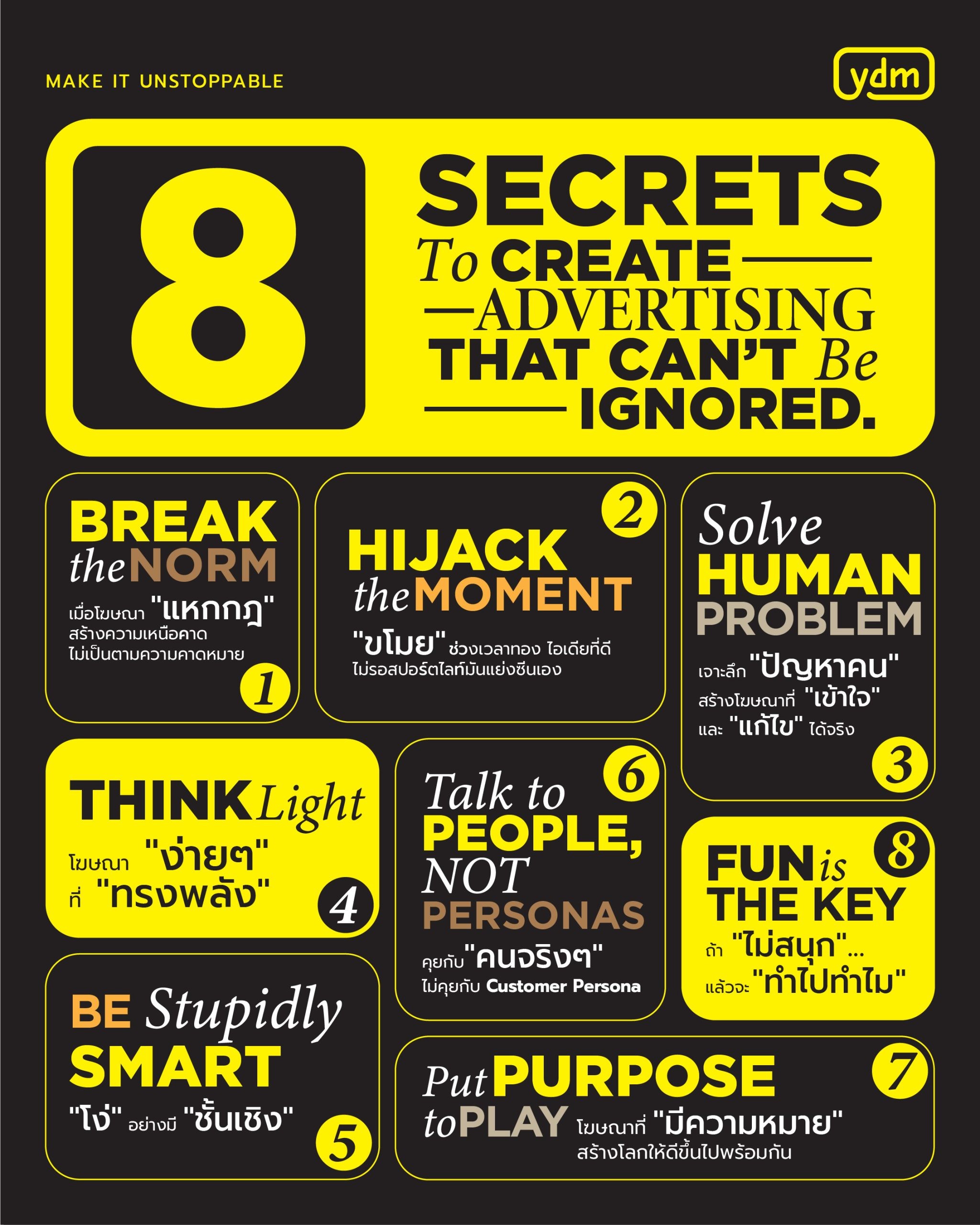
Unlocking the Secret: 8 Keys to Creating Impactful Advertising Campaigns
Jan 15, 2025
{
News
}
Unlocking the Secret: 8 Keys to Creating Impactful Advertising Campaigns
Jan 15, 2025
{
News
}
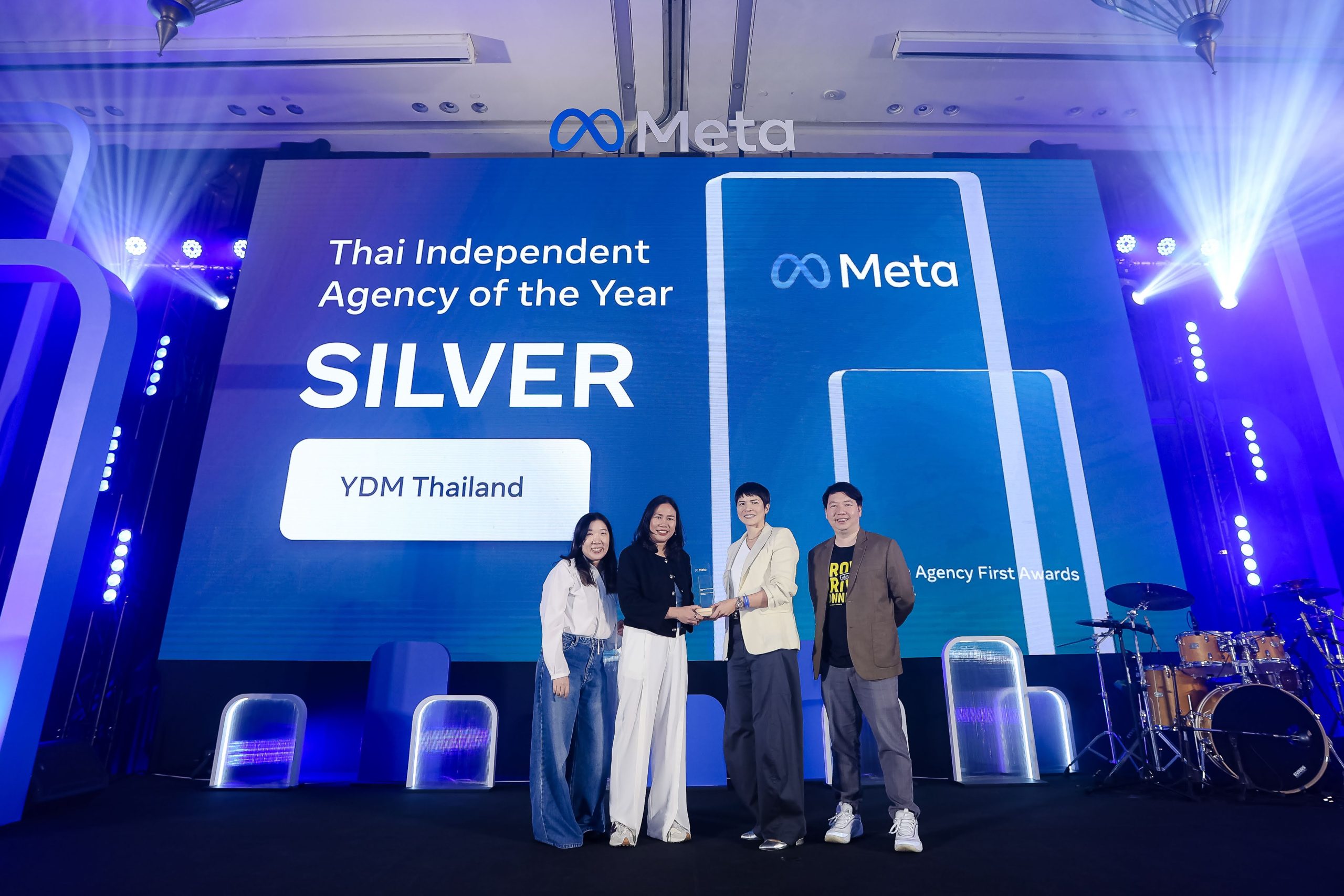
YDM Makes Waves with Double Wins at Meta Awards, Reveals Key Drivers Behind Its Success
Dec 24, 2024
{
News
}
YDM Makes Waves with Double Wins at Meta Awards, Reveals Key Drivers Behind Its Success
Dec 24, 2024
{
News
}
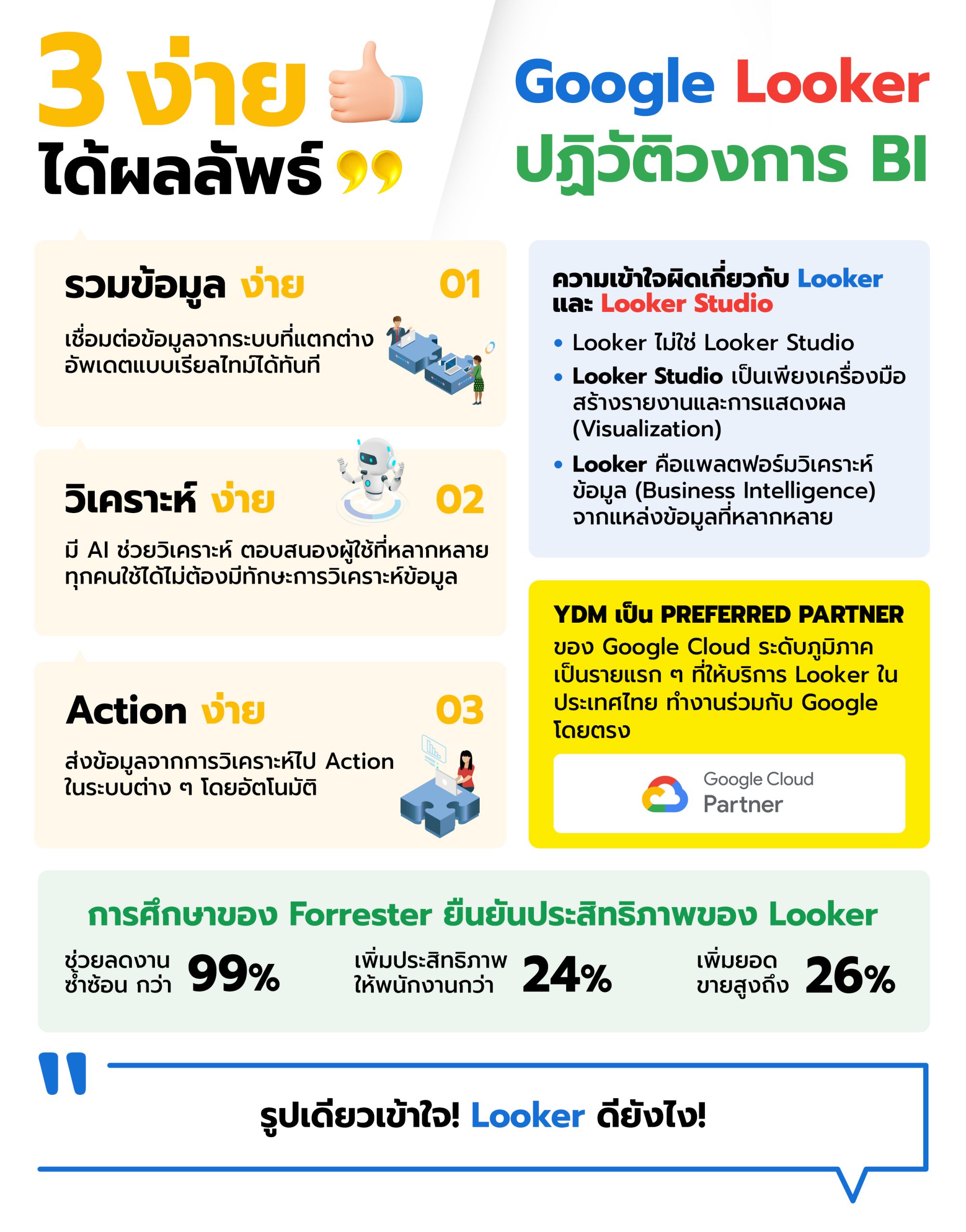
YDM Transforms the BI Landscape with Looker: Making Data “Simple” and More Effective (Looker is not Looker Studio)
Dec 17, 2024
{
News
}
YDM Transforms the BI Landscape with Looker: Making Data “Simple” and More Effective (Looker is not Looker Studio)
Dec 17, 2024
{
News
}
Unlocking the Secret: 8 Keys to Creating Impactful Advertising Campaigns
Jan 15, 2025
{
News
}
YDM Makes Waves with Double Wins at Meta Awards, Reveals Key Drivers Behind Its Success
Dec 24, 2024
{
News
}
YDM Transforms the BI Landscape with Looker: Making Data “Simple” and More Effective (Looker is not Looker Studio)
Dec 17, 2024
{
News
}
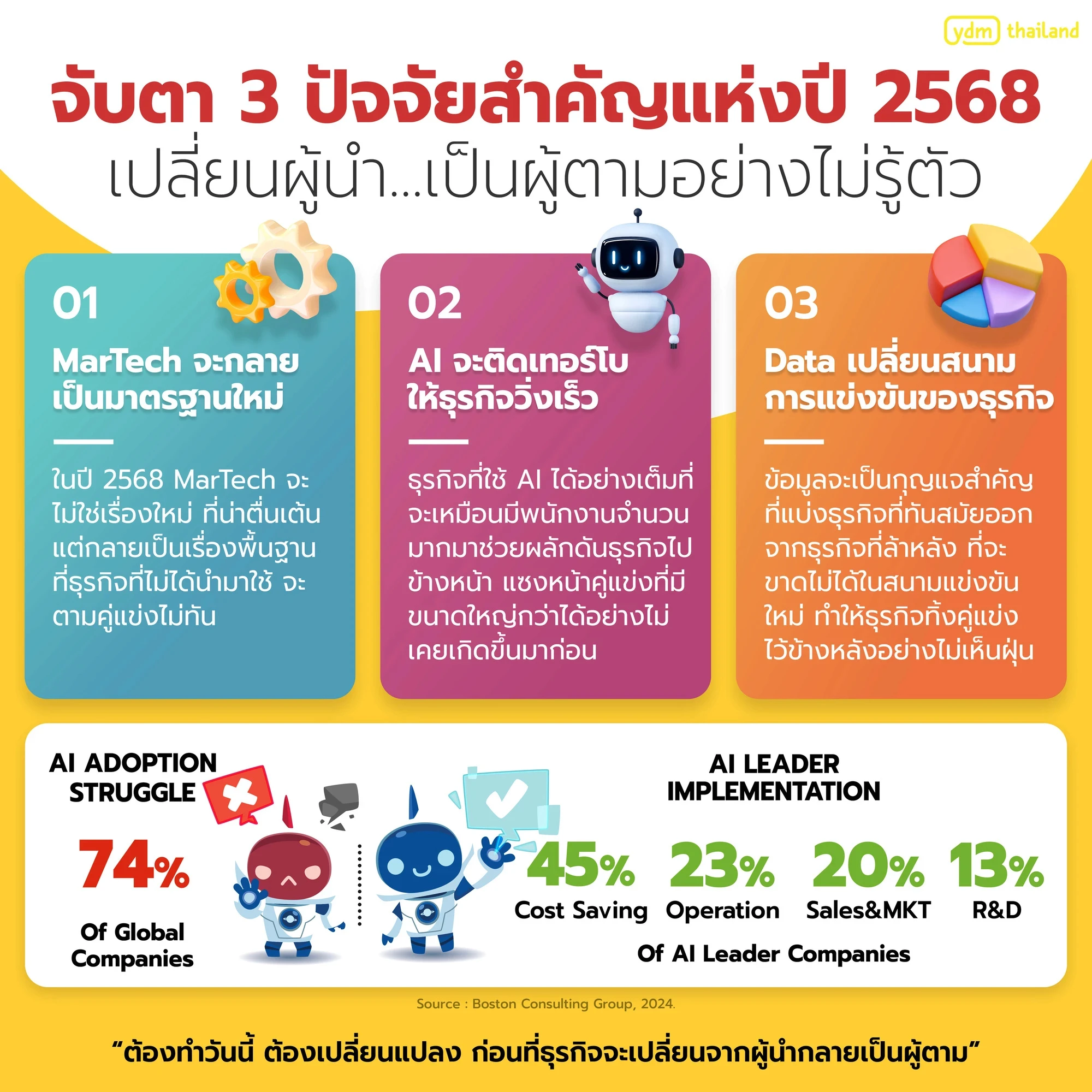
Watch Out: 3 Key Factors in 2025 That Could Turn Leaders into Followers Without Realizing It
Dec 3, 2024
{
News
}
Unlocking the Secret: 8 Keys to Creating Impactful Advertising Campaigns
Jan 15, 2025
{
News
}
YDM Makes Waves with Double Wins at Meta Awards, Reveals Key Drivers Behind Its Success
Dec 24, 2024
{
News
}
YDM Transforms the BI Landscape with Looker: Making Data “Simple” and More Effective (Looker is not Looker Studio)
Dec 17, 2024
{
News
}
Watch Out: 3 Key Factors in 2025 That Could Turn Leaders into Followers Without Realizing It
Dec 3, 2024