
YDM Thailand has revealed an overview of how Thai businesses are using Gen AI, finding growth in the insurance, financial institution, and retail sectors, while also opening a case study showing how Gen AI can improve full-funnel digital marketing performance and create personalized experiences that genuinely lead to higher sales.
The arrival of Gen AI is making the digital marketing industry even more worth watching, as shown by the case study disclosed by YDM Thailand covering the creation of advertising assets, production of advertising copy, and strategies for using hundreds of KOLs to produce work that matches target customer groups. Mr. Tanapon Subsomboon, Chief Executive Officer of YDM (Thailand) Co., Ltd. (YDM Thailand), said that from YDM Thailand’s perspective, Gen AI not only significantly improves workforce efficiency, but also gives marketers more time, which can then be used to create additional value for the organization and clients’ businesses.
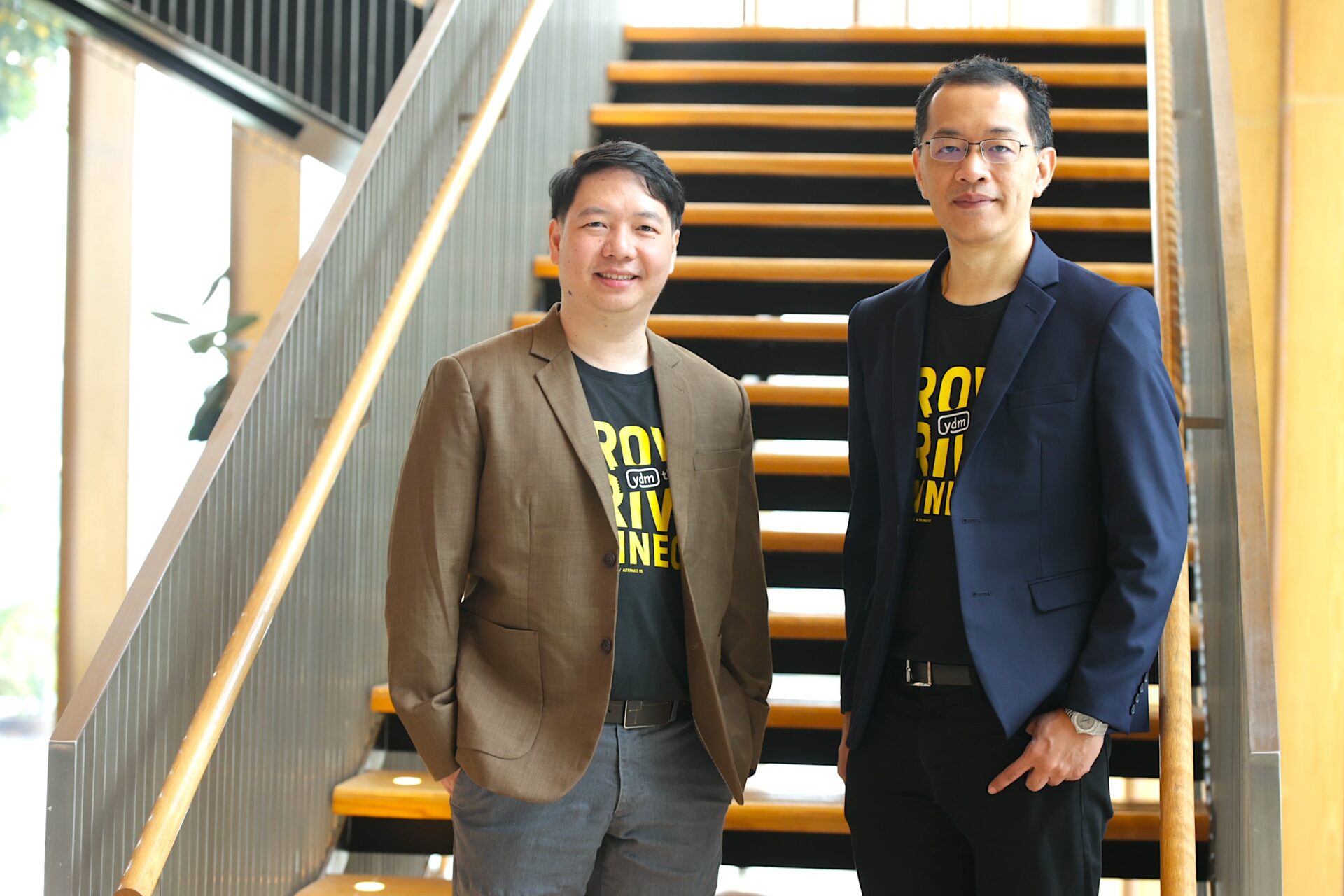
“I see the arrival of AI in this era as comparable to when the world first had the internet, and ultimately Gen AI will affect every business, perhaps within the next few years,” said Mr. Tanapon. He went on to say that Gen AI has been so disruptive in part because it affects three business strategies: Economy of Scope, Economy of Scale, and Economy of Speed. AI can improve all three at the same time. For example, in digital marketing today, one person can do more, more broadly, and faster.
“For example, in running promotions, we only need to set the challenge of how to structure a promotion for maximum profit. In the past, we would have needed multiple software tools, multiple people, and weeks of time. Now, just by giving historical data to AI and clicking once, the answer comes out immediately—and not just one answer.”
“The same applies to advertising work. Today, what clients use most is KOLs. One campaign may require 50–100 people and must be completed within a month, while the agency also has to prepare storyboards for them. We can now use Gen AI to make these things happen in reality.”
Case study: sending highly specific messages and successfully closing sales
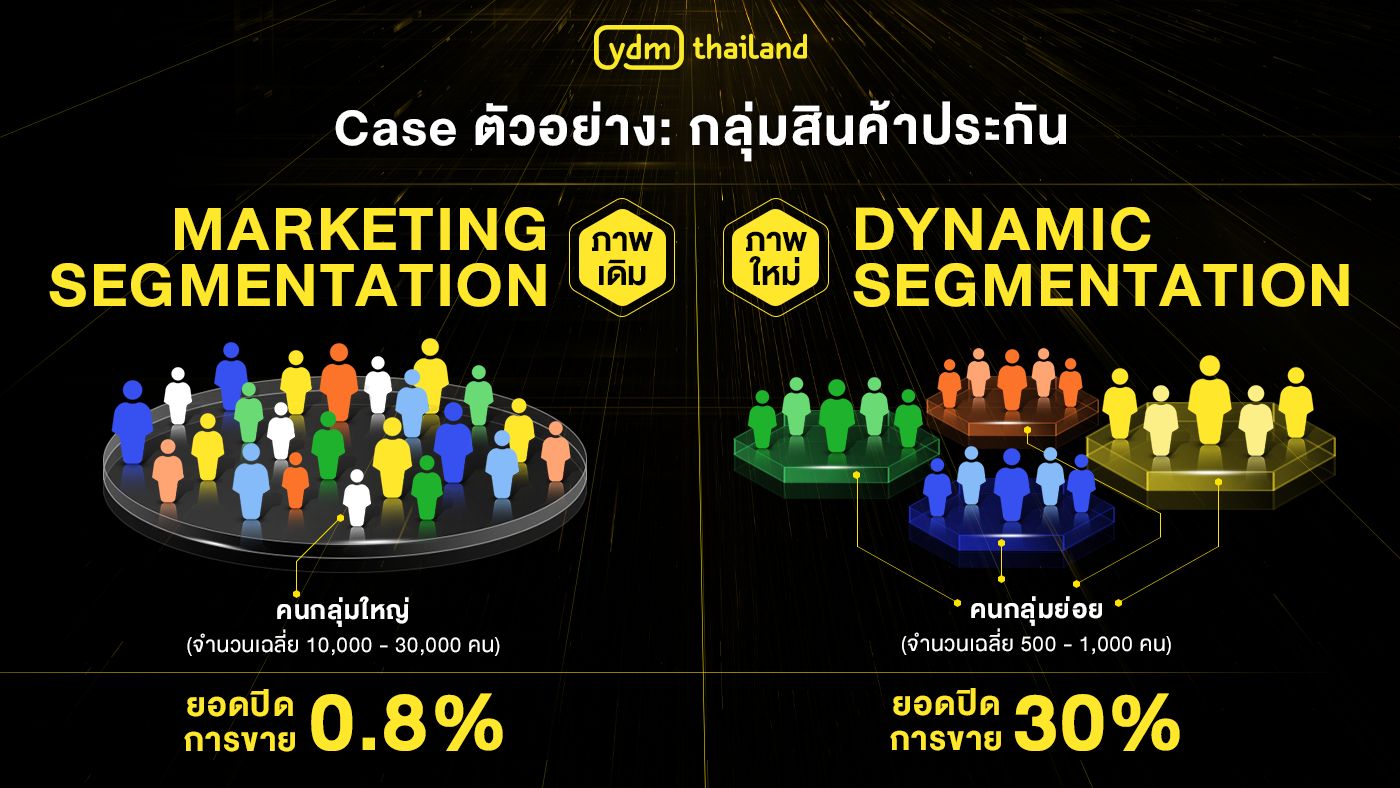
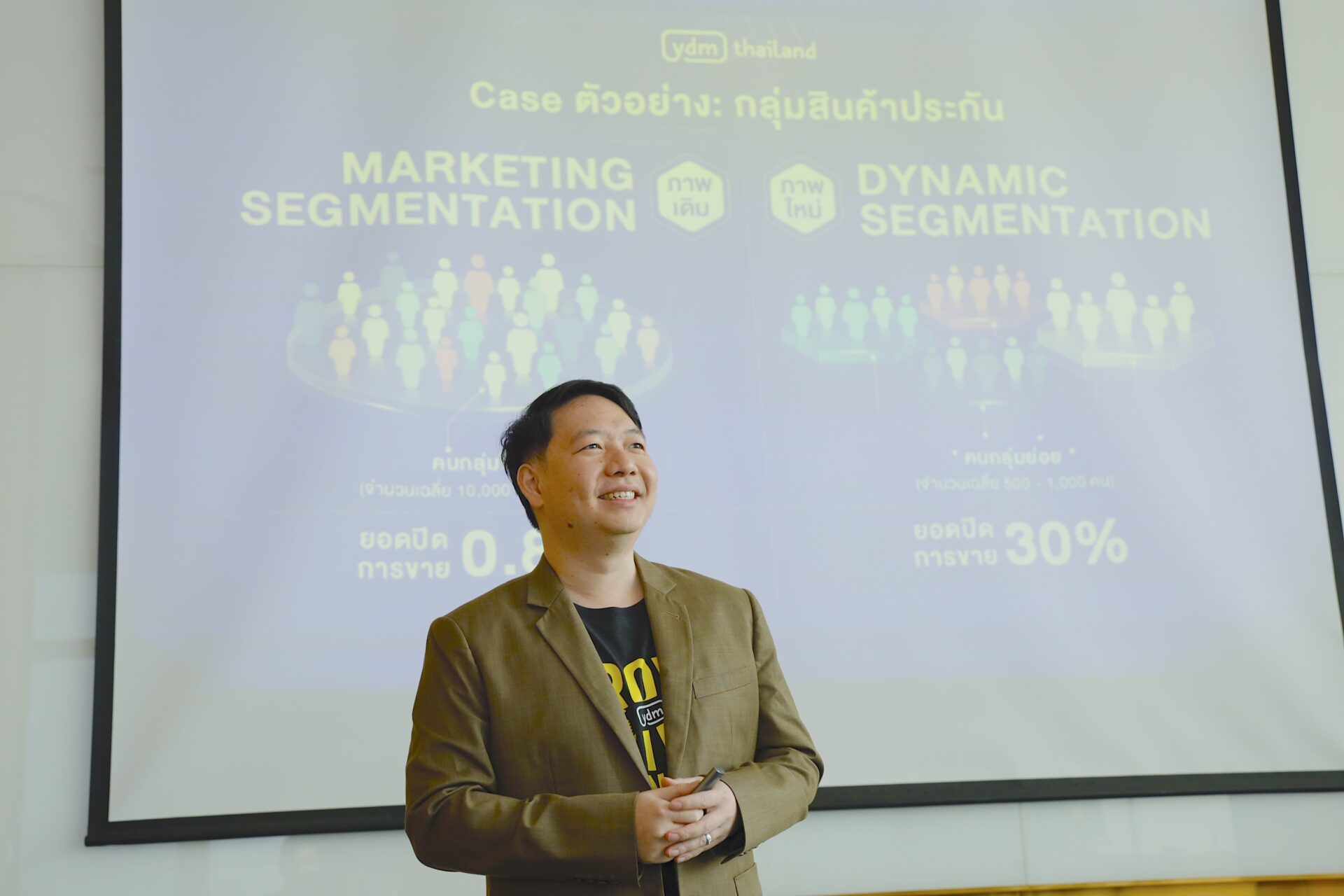
Mr. Nuttapon Jitngamphong, Chief Technology Officer of YDM (Thailand) Co., Ltd., spoke about using Gen AI to support digital marketing for an insurance business by sending personalized messages to a smaller consumer segment (500–1,000 people), which achieved a 30% sales conversion rate, compared with sending messages to a much larger consumer group (10,000–30,000 people), which achieved only a 0.8% conversion rate.
The starting point of this process was that the brand had correctly collected customer data on a Customer Data Platform (CDP), giving the brand detailed behavioral data about its customers.
“When we use a CDP to collect behavioral data for each customer, the brand can understand which products a customer is interested in and which messages they engage with. The team can then segment customers into smaller groups based on each customer’s context and communicate automatically. The result was that the online sales conversion rate increased from less than 1% to nearly 30%. That means efficiency improved by more than 30 times.”
At this point, Mr. Nuttapon also noted that this reflects a current customer trend toward wanting messages that truly match their preferences, lifestyle, or needs. This is why personalized messaging has received such a good response.
Three challenges of personalized marketing
However, this level of personalization does not bring only advantages. It also comes with challenges. Mr. Nuttapon stated that brands must understand that a highly specific target group becomes much smaller in size, shrinking from tens or hundreds of thousands to only around 400–500 people.
The second point is that this type of personalized marketing must wait for a signal from the user before communication can be effective. The final point is that if brands do not collect data systematically and do not have AI to help scale the volume of content, this would be almost impossible to achieve.
In addition, from the YDM management perspective, the Thai business sectors currently showing the highest interest in using Gen AI are insurance, financial institutions, and retail, while FMCG still faces a major obstacle because many brands do not have their own customer databases.
For those concerned that Gen AI will replace humans, Mr. Nuttapon said that human beings still remain behind this work as the ones who use AI to create the greatest benefit. What humans gain most from the arrival of AI is time—and that time can be used to create additional value.
Credit : https://www.brandbuffet.in.th/2024/04/ydm-gen-ai-strategy-for-personalized-digital-marketing/
YDM Thailand has revealed an overview of how Thai businesses are using Gen AI, finding growth in the insurance, financial institution, and retail sectors, while also opening a case study showing how Gen AI can improve full-funnel digital marketing performance and create personalized experiences that genuinely lead to higher sales.
The arrival of Gen AI is making the digital marketing industry even more worth watching, as shown by the case study disclosed by YDM Thailand covering the creation of advertising assets, production of advertising copy, and strategies for using hundreds of KOLs to produce work that matches target customer groups. Mr. Tanapon Subsomboon, Chief Executive Officer of YDM (Thailand) Co., Ltd. (YDM Thailand), said that from YDM Thailand’s perspective, Gen AI not only significantly improves workforce efficiency, but also gives marketers more time, which can then be used to create additional value for the organization and clients’ businesses.
“I see the arrival of AI in this era as comparable to when the world first had the internet, and ultimately Gen AI will affect every business, perhaps within the next few years,” said Mr. Tanapon. He went on to say that Gen AI has been so disruptive in part because it affects three business strategies: Economy of Scope, Economy of Scale, and Economy of Speed. AI can improve all three at the same time. For example, in digital marketing today, one person can do more, more broadly, and faster.
“For example, in running promotions, we only need to set the challenge of how to structure a promotion for maximum profit. In the past, we would have needed multiple software tools, multiple people, and weeks of time. Now, just by giving historical data to AI and clicking once, the answer comes out immediately—and not just one answer.”
“The same applies to advertising work. Today, what clients use most is KOLs. One campaign may require 50–100 people and must be completed within a month, while the agency also has to prepare storyboards for them. We can now use Gen AI to make these things happen in reality.”
Case study: sending highly specific messages and successfully closing sales
Mr. Nuttapon Jitngamphong, Chief Technology Officer of YDM (Thailand) Co., Ltd., spoke about using Gen AI to support digital marketing for an insurance business by sending personalized messages to a smaller consumer segment (500–1,000 people), which achieved a 30% sales conversion rate, compared with sending messages to a much larger consumer group (10,000–30,000 people), which achieved only a 0.8% conversion rate.
The starting point of this process was that the brand had correctly collected customer data on a Customer Data Platform (CDP), giving the brand detailed behavioral data about its customers.
“When we use a CDP to collect behavioral data for each customer, the brand can understand which products a customer is interested in and which messages they engage with. The team can then segment customers into smaller groups based on each customer’s context and communicate automatically. The result was that the online sales conversion rate increased from less than 1% to nearly 30%. That means efficiency improved by more than 30 times.”
At this point, Mr. Nuttapon also noted that this reflects a current customer trend toward wanting messages that truly match their preferences, lifestyle, or needs. This is why personalized messaging has received such a good response.
Three challenges of personalized marketing
However, this level of personalization does not bring only advantages. It also comes with challenges. Mr. Nuttapon stated that brands must understand that a highly specific target group becomes much smaller in size, shrinking from tens or hundreds of thousands to only around 400–500 people.
The second point is that this type of personalized marketing must wait for a signal from the user before communication can be effective. The final point is that if brands do not collect data systematically and do not have AI to help scale the volume of content, this would be almost impossible to achieve.
In addition, from the YDM management perspective, the Thai business sectors currently showing the highest interest in using Gen AI are insurance, financial institutions, and retail, while FMCG still faces a major obstacle because many brands do not have their own customer databases.
For those concerned that Gen AI will replace humans, Mr. Nuttapon said that human beings still remain behind this work as the ones who use AI to create the greatest benefit. What humans gain most from the arrival of AI is time—and that time can be used to create additional value.
Credit : https://www.brandbuffet.in.th/2024/04/ydm-gen-ai-strategy-for-personalized-digital-marketing/
YDM Thailand has revealed an overview of how Thai businesses are using Gen AI, finding growth in the insurance, financial institution, and retail sectors, while also opening a case study showing how Gen AI can improve full-funnel digital marketing performance and create personalized experiences that genuinely lead to higher sales.
The arrival of Gen AI is making the digital marketing industry even more worth watching, as shown by the case study disclosed by YDM Thailand covering the creation of advertising assets, production of advertising copy, and strategies for using hundreds of KOLs to produce work that matches target customer groups. Mr. Tanapon Subsomboon, Chief Executive Officer of YDM (Thailand) Co., Ltd. (YDM Thailand), said that from YDM Thailand’s perspective, Gen AI not only significantly improves workforce efficiency, but also gives marketers more time, which can then be used to create additional value for the organization and clients’ businesses.
“I see the arrival of AI in this era as comparable to when the world first had the internet, and ultimately Gen AI will affect every business, perhaps within the next few years,” said Mr. Tanapon. He went on to say that Gen AI has been so disruptive in part because it affects three business strategies: Economy of Scope, Economy of Scale, and Economy of Speed. AI can improve all three at the same time. For example, in digital marketing today, one person can do more, more broadly, and faster.
“For example, in running promotions, we only need to set the challenge of how to structure a promotion for maximum profit. In the past, we would have needed multiple software tools, multiple people, and weeks of time. Now, just by giving historical data to AI and clicking once, the answer comes out immediately—and not just one answer.”
“The same applies to advertising work. Today, what clients use most is KOLs. One campaign may require 50–100 people and must be completed within a month, while the agency also has to prepare storyboards for them. We can now use Gen AI to make these things happen in reality.”
Case study: sending highly specific messages and successfully closing sales
Mr. Nuttapon Jitngamphong, Chief Technology Officer of YDM (Thailand) Co., Ltd., spoke about using Gen AI to support digital marketing for an insurance business by sending personalized messages to a smaller consumer segment (500–1,000 people), which achieved a 30% sales conversion rate, compared with sending messages to a much larger consumer group (10,000–30,000 people), which achieved only a 0.8% conversion rate.
The starting point of this process was that the brand had correctly collected customer data on a Customer Data Platform (CDP), giving the brand detailed behavioral data about its customers.
“When we use a CDP to collect behavioral data for each customer, the brand can understand which products a customer is interested in and which messages they engage with. The team can then segment customers into smaller groups based on each customer’s context and communicate automatically. The result was that the online sales conversion rate increased from less than 1% to nearly 30%. That means efficiency improved by more than 30 times.”
At this point, Mr. Nuttapon also noted that this reflects a current customer trend toward wanting messages that truly match their preferences, lifestyle, or needs. This is why personalized messaging has received such a good response.
Three challenges of personalized marketing
However, this level of personalization does not bring only advantages. It also comes with challenges. Mr. Nuttapon stated that brands must understand that a highly specific target group becomes much smaller in size, shrinking from tens or hundreds of thousands to only around 400–500 people.
The second point is that this type of personalized marketing must wait for a signal from the user before communication can be effective. The final point is that if brands do not collect data systematically and do not have AI to help scale the volume of content, this would be almost impossible to achieve.
In addition, from the YDM management perspective, the Thai business sectors currently showing the highest interest in using Gen AI are insurance, financial institutions, and retail, while FMCG still faces a major obstacle because many brands do not have their own customer databases.
For those concerned that Gen AI will replace humans, Mr. Nuttapon said that human beings still remain behind this work as the ones who use AI to create the greatest benefit. What humans gain most from the arrival of AI is time—and that time can be used to create additional value.
Credit : https://www.brandbuffet.in.th/2024/04/ydm-gen-ai-strategy-for-personalized-digital-marketing/
[
Connect
]
How can we help you innovate?
Drop us a line.
Get in
touch
[
Connect
]
How can we help you innovate?
Drop us a line.
Get in
touch
[
Connect
]
How can we help you innovate?
Drop us a line.
Get in
touch
Related
Movements.
{
News
}
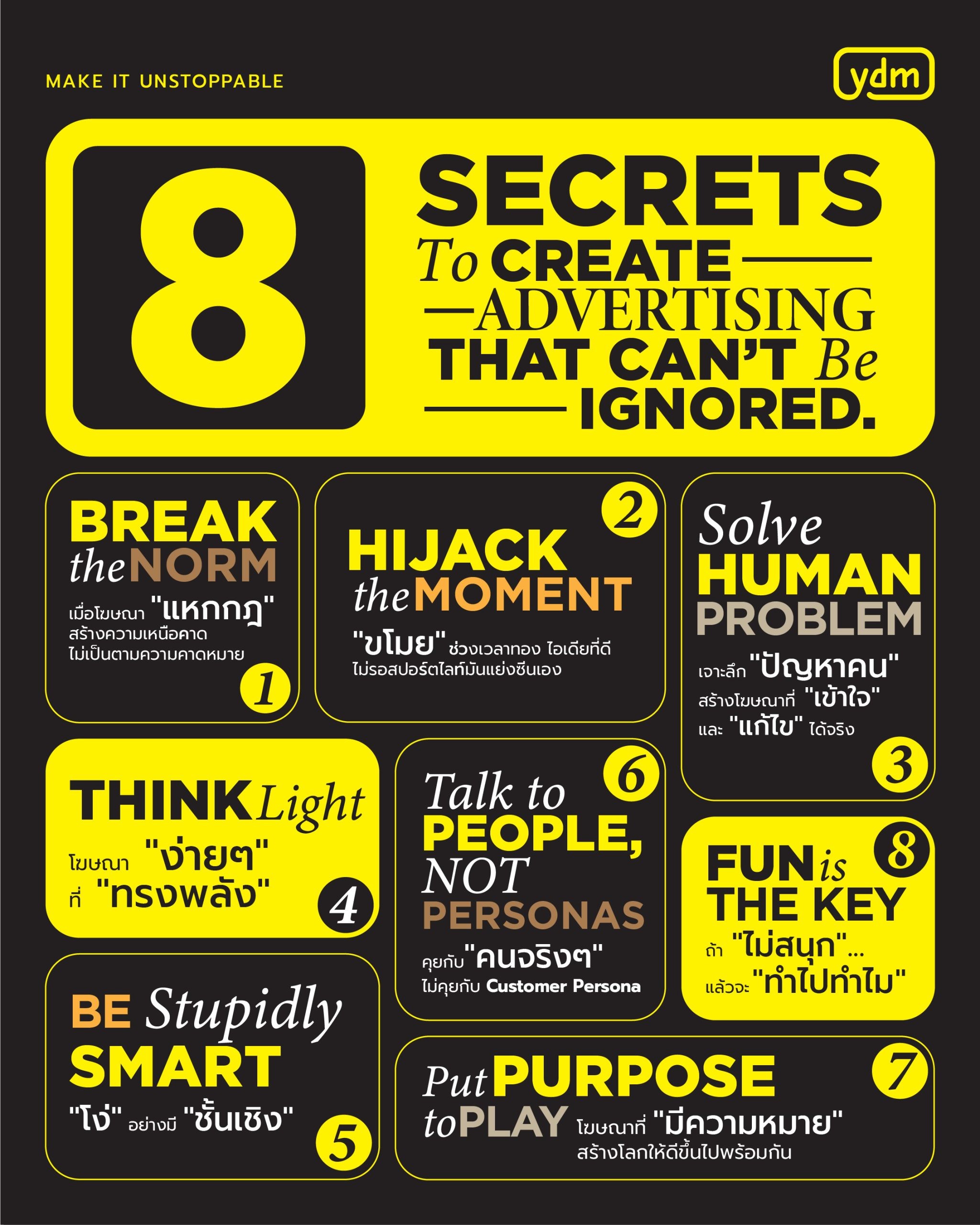
Unlocking the Secret: 8 Keys to Creating Impactful Advertising Campaigns
Jan 15, 2025
{
News
}
Unlocking the Secret: 8 Keys to Creating Impactful Advertising Campaigns
Jan 15, 2025
{
News
}
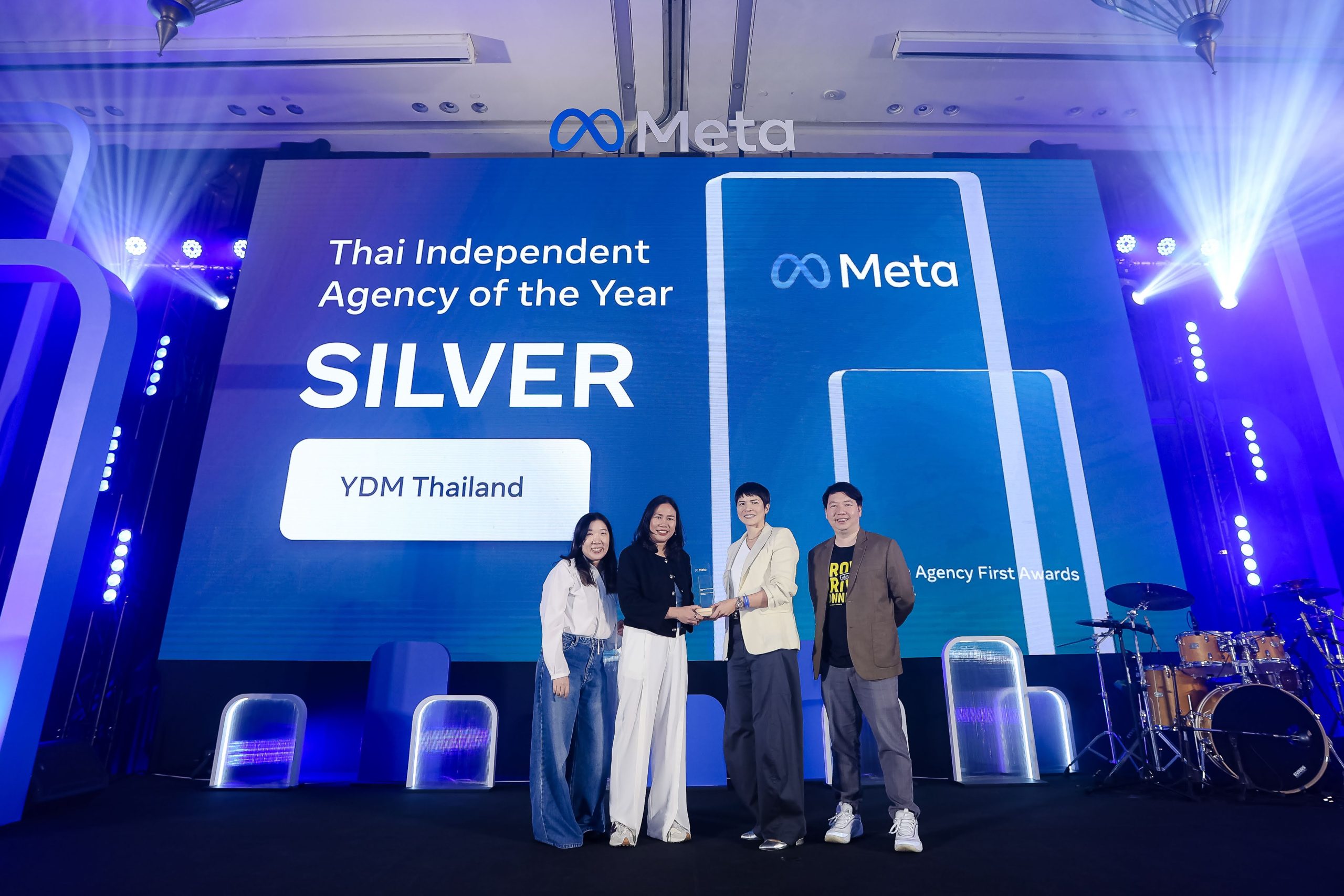
YDM Makes Waves with Double Wins at Meta Awards, Reveals Key Drivers Behind Its Success
Dec 24, 2024
{
News
}
YDM Makes Waves with Double Wins at Meta Awards, Reveals Key Drivers Behind Its Success
Dec 24, 2024
{
News
}
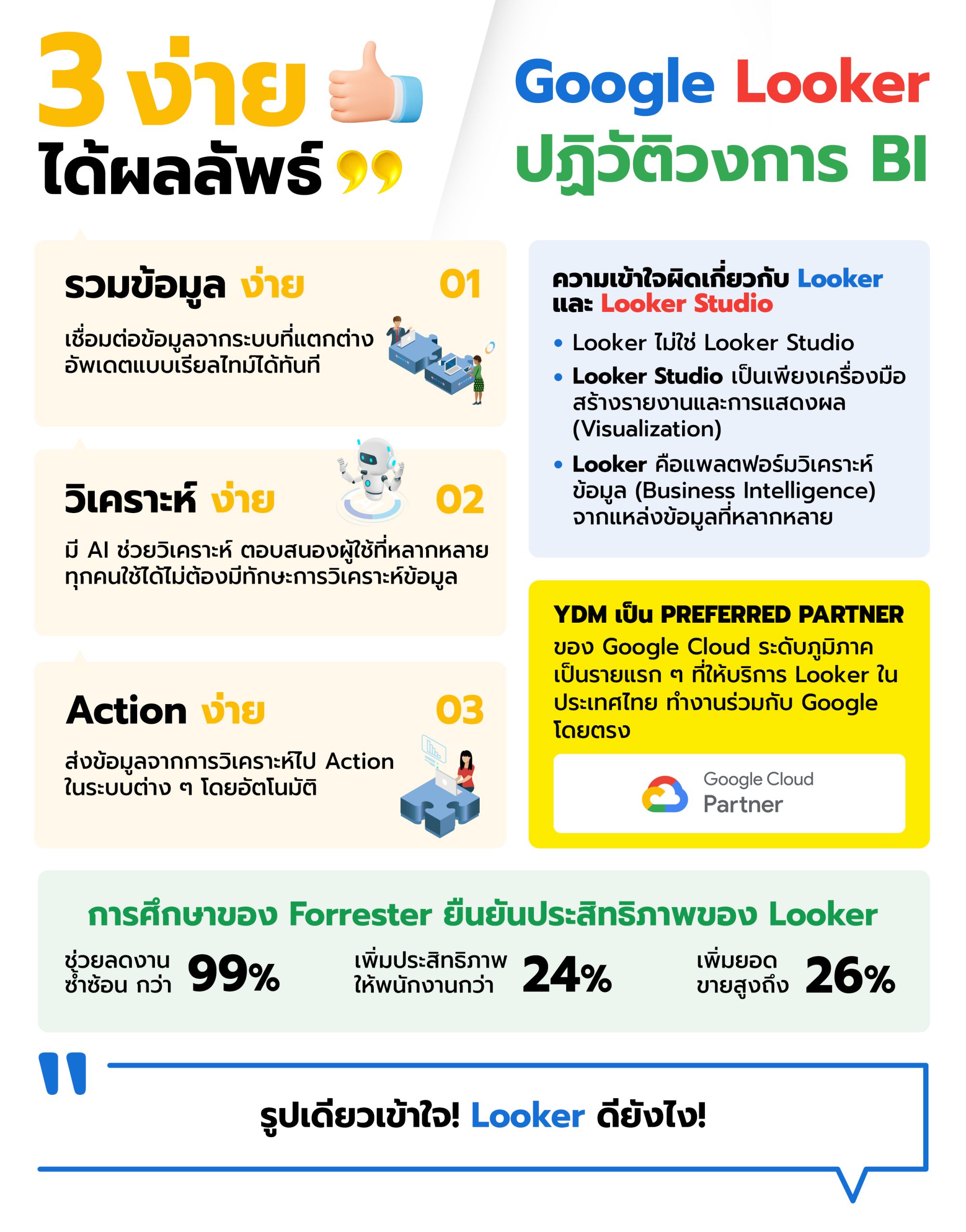
YDM Transforms the BI Landscape with Looker: Making Data “Simple” and More Effective (Looker is not Looker Studio)
Dec 17, 2024
{
News
}
YDM Transforms the BI Landscape with Looker: Making Data “Simple” and More Effective (Looker is not Looker Studio)
Dec 17, 2024
{
News
}
Unlocking the Secret: 8 Keys to Creating Impactful Advertising Campaigns
Jan 15, 2025
{
News
}
YDM Makes Waves with Double Wins at Meta Awards, Reveals Key Drivers Behind Its Success
Dec 24, 2024
{
News
}
YDM Transforms the BI Landscape with Looker: Making Data “Simple” and More Effective (Looker is not Looker Studio)
Dec 17, 2024
{
News
}
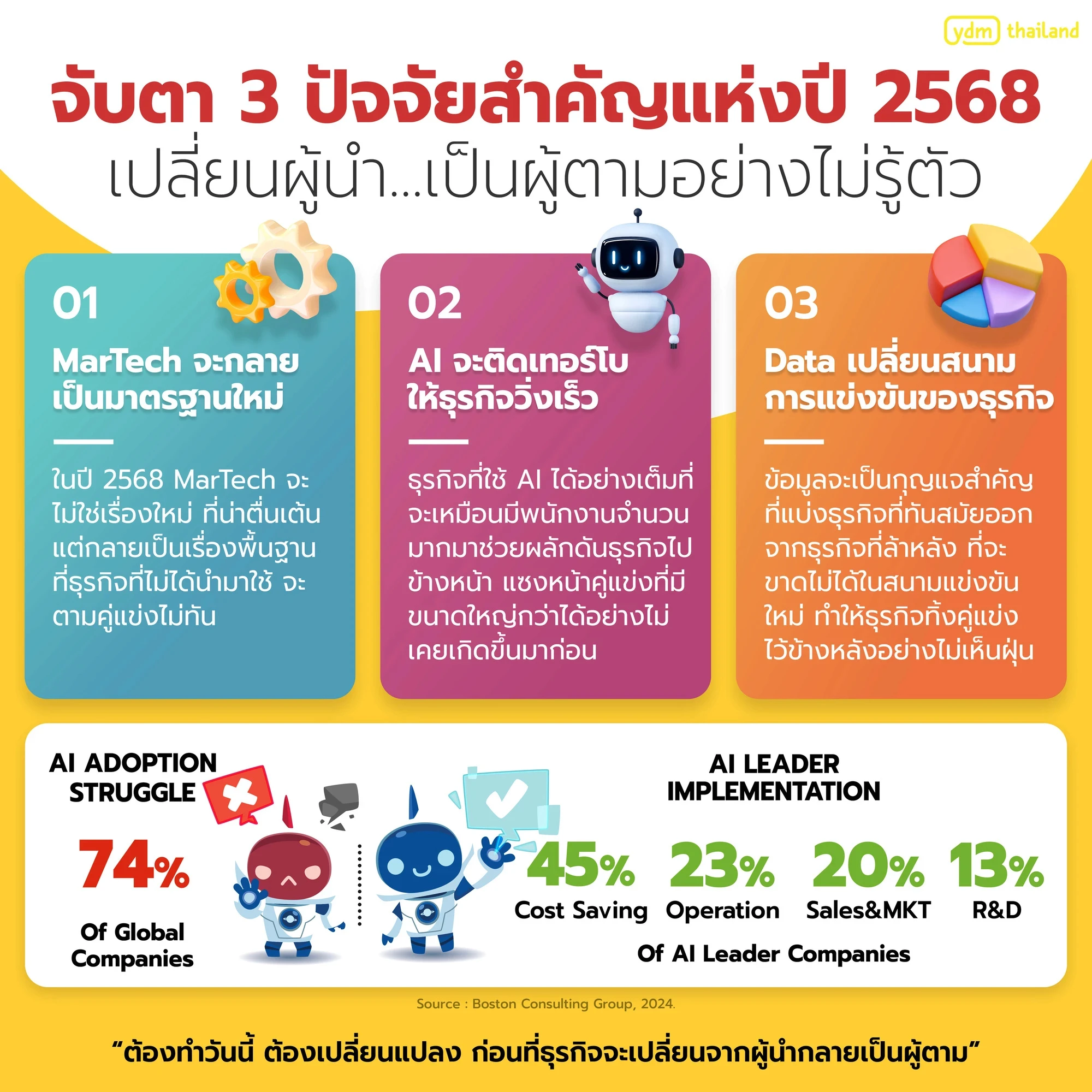
Watch Out: 3 Key Factors in 2025 That Could Turn Leaders into Followers Without Realizing It
Dec 3, 2024
{
News
}
Unlocking the Secret: 8 Keys to Creating Impactful Advertising Campaigns
Jan 15, 2025
{
News
}
YDM Makes Waves with Double Wins at Meta Awards, Reveals Key Drivers Behind Its Success
Dec 24, 2024
{
News
}
YDM Transforms the BI Landscape with Looker: Making Data “Simple” and More Effective (Looker is not Looker Studio)
Dec 17, 2024
{
News
}
Watch Out: 3 Key Factors in 2025 That Could Turn Leaders into Followers Without Realizing It
Dec 3, 2024