
Communicating in a way that truly resonates with consumers can no longer rely on using the same message for everyone. Consumer behavior in choosing products has changed. With more product options available in the market, today’s consumers choose what genuinely suits them. Moreover, each consumer has different decision-making factors and interests, even when the products or services are in the same category.
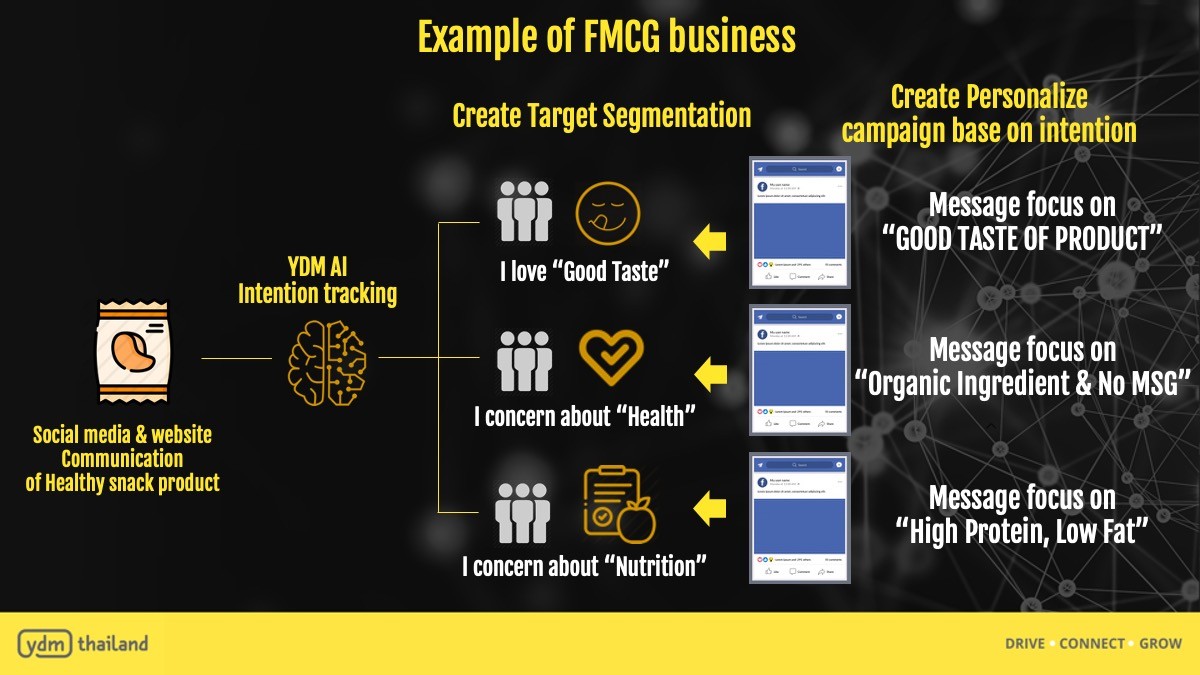
This has become a major challenge for marketers: how can they communicate in the most relevant way to consumers when one message can no longer work for everyone? Modern marketers therefore need a new form of marketing, including communication through multiple messages directed to specific groups, or what is called personalized messaging, in order to attract consumers as effectively as possible. A simple example would be a healthy snack brand: one consumer may decide mainly based on taste, another on natural ingredients, and another on the benefits they will receive from eating it.

This clearly shows that each person has different decision-making factors. That means if we use the same message for everyone, we are losing business opportunities with groups that have different interests. But if we know what each person bases their purchase decision on, we can sell to many different groups by using different messages and communicate in a way that resonates much better with consumers.
The challenge does not lie only in the concept of doing one-to-one marketing or personalized messaging. To execute this kind of marketing successfully, several components must work together.
Increase Sales Effectively with a One-to-One Marketing / Personalized Media Strategy
1. Data tracking technology
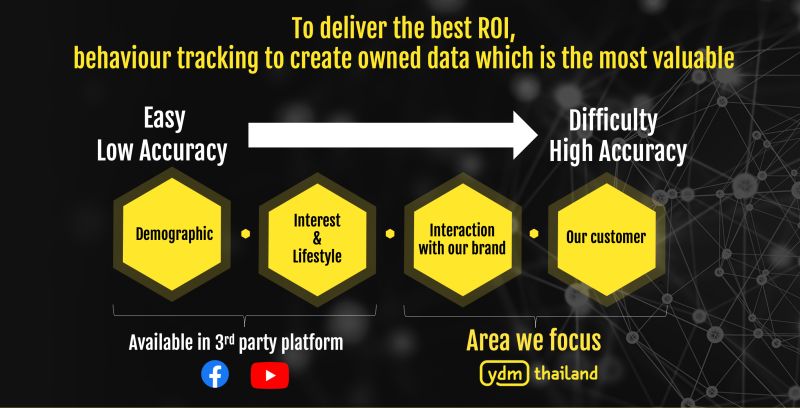
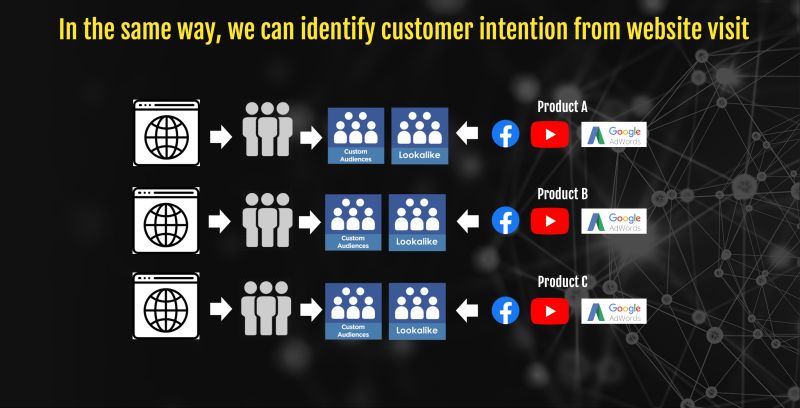
This part tracks behavior so marketers can understand what each group is interested in. In fact, behavior tracking can cover consumer behavior on social media—such as what type of content they like and what interests them—and combine that with website behavior, such as what kinds of content they read.
2. Segmentation
This is the next step after obtaining behavior data. Marketers must organize the data into categories, or segmentation, in order to identify which groups have which interests and use that information in marketing planning.
3. Analysis & Planning
This is another major and very important part for marketers, because they must analyze each segment and begin communicating through personalized messages. If marketing is planned in this way, marketers can communicate more effectively with every target segment and avoid losing opportunities by neglecting any segment, which in turn leads to better ROI.
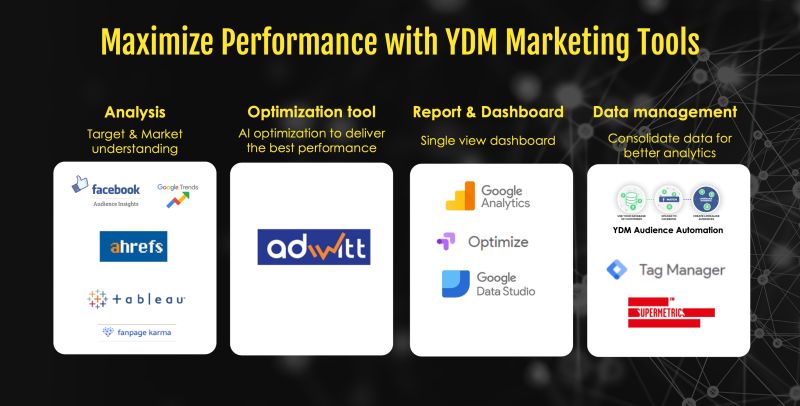
YDM Thailand has now integrated AI technology into online media planning that can be executed efficiently from beginning to end, whether through behavior tracking and data collection from social media to owned media, leading to segmentation and dynamic ad optimization across media, content, and target groups. All stored data can then be used effectively, such as for retargeting or future analysis and planning, supported by an experienced team focused on business results (ROI-based) to help businesses plan marketing in the most effective way.
Communicating in a way that truly resonates with consumers can no longer rely on using the same message for everyone. Consumer behavior in choosing products has changed. With more product options available in the market, today’s consumers choose what genuinely suits them. Moreover, each consumer has different decision-making factors and interests, even when the products or services are in the same category.
This has become a major challenge for marketers: how can they communicate in the most relevant way to consumers when one message can no longer work for everyone? Modern marketers therefore need a new form of marketing, including communication through multiple messages directed to specific groups, or what is called personalized messaging, in order to attract consumers as effectively as possible. A simple example would be a healthy snack brand: one consumer may decide mainly based on taste, another on natural ingredients, and another on the benefits they will receive from eating it.
This clearly shows that each person has different decision-making factors. That means if we use the same message for everyone, we are losing business opportunities with groups that have different interests. But if we know what each person bases their purchase decision on, we can sell to many different groups by using different messages and communicate in a way that resonates much better with consumers.
The challenge does not lie only in the concept of doing one-to-one marketing or personalized messaging. To execute this kind of marketing successfully, several components must work together.
Increase Sales Effectively with a One-to-One Marketing / Personalized Media Strategy
1. Data tracking technology
This part tracks behavior so marketers can understand what each group is interested in. In fact, behavior tracking can cover consumer behavior on social media—such as what type of content they like and what interests them—and combine that with website behavior, such as what kinds of content they read.
2. Segmentation
This is the next step after obtaining behavior data. Marketers must organize the data into categories, or segmentation, in order to identify which groups have which interests and use that information in marketing planning.
3. Analysis & Planning
This is another major and very important part for marketers, because they must analyze each segment and begin communicating through personalized messages. If marketing is planned in this way, marketers can communicate more effectively with every target segment and avoid losing opportunities by neglecting any segment, which in turn leads to better ROI.
YDM Thailand has now integrated AI technology into online media planning that can be executed efficiently from beginning to end, whether through behavior tracking and data collection from social media to owned media, leading to segmentation and dynamic ad optimization across media, content, and target groups. All stored data can then be used effectively, such as for retargeting or future analysis and planning, supported by an experienced team focused on business results (ROI-based) to help businesses plan marketing in the most effective way.
Communicating in a way that truly resonates with consumers can no longer rely on using the same message for everyone. Consumer behavior in choosing products has changed. With more product options available in the market, today’s consumers choose what genuinely suits them. Moreover, each consumer has different decision-making factors and interests, even when the products or services are in the same category.
This has become a major challenge for marketers: how can they communicate in the most relevant way to consumers when one message can no longer work for everyone? Modern marketers therefore need a new form of marketing, including communication through multiple messages directed to specific groups, or what is called personalized messaging, in order to attract consumers as effectively as possible. A simple example would be a healthy snack brand: one consumer may decide mainly based on taste, another on natural ingredients, and another on the benefits they will receive from eating it.
This clearly shows that each person has different decision-making factors. That means if we use the same message for everyone, we are losing business opportunities with groups that have different interests. But if we know what each person bases their purchase decision on, we can sell to many different groups by using different messages and communicate in a way that resonates much better with consumers.
The challenge does not lie only in the concept of doing one-to-one marketing or personalized messaging. To execute this kind of marketing successfully, several components must work together.
Increase Sales Effectively with a One-to-One Marketing / Personalized Media Strategy
1. Data tracking technology
This part tracks behavior so marketers can understand what each group is interested in. In fact, behavior tracking can cover consumer behavior on social media—such as what type of content they like and what interests them—and combine that with website behavior, such as what kinds of content they read.
2. Segmentation
This is the next step after obtaining behavior data. Marketers must organize the data into categories, or segmentation, in order to identify which groups have which interests and use that information in marketing planning.
3. Analysis & Planning
This is another major and very important part for marketers, because they must analyze each segment and begin communicating through personalized messages. If marketing is planned in this way, marketers can communicate more effectively with every target segment and avoid losing opportunities by neglecting any segment, which in turn leads to better ROI.
YDM Thailand has now integrated AI technology into online media planning that can be executed efficiently from beginning to end, whether through behavior tracking and data collection from social media to owned media, leading to segmentation and dynamic ad optimization across media, content, and target groups. All stored data can then be used effectively, such as for retargeting or future analysis and planning, supported by an experienced team focused on business results (ROI-based) to help businesses plan marketing in the most effective way.
[
Connect
]
How can we help you innovate?
Drop us a line.
Get in
touch
[
Connect
]
How can we help you innovate?
Drop us a line.
Get in
touch
[
Connect
]
How can we help you innovate?
Drop us a line.
Get in
touch
Related
Movements.
{
News
}
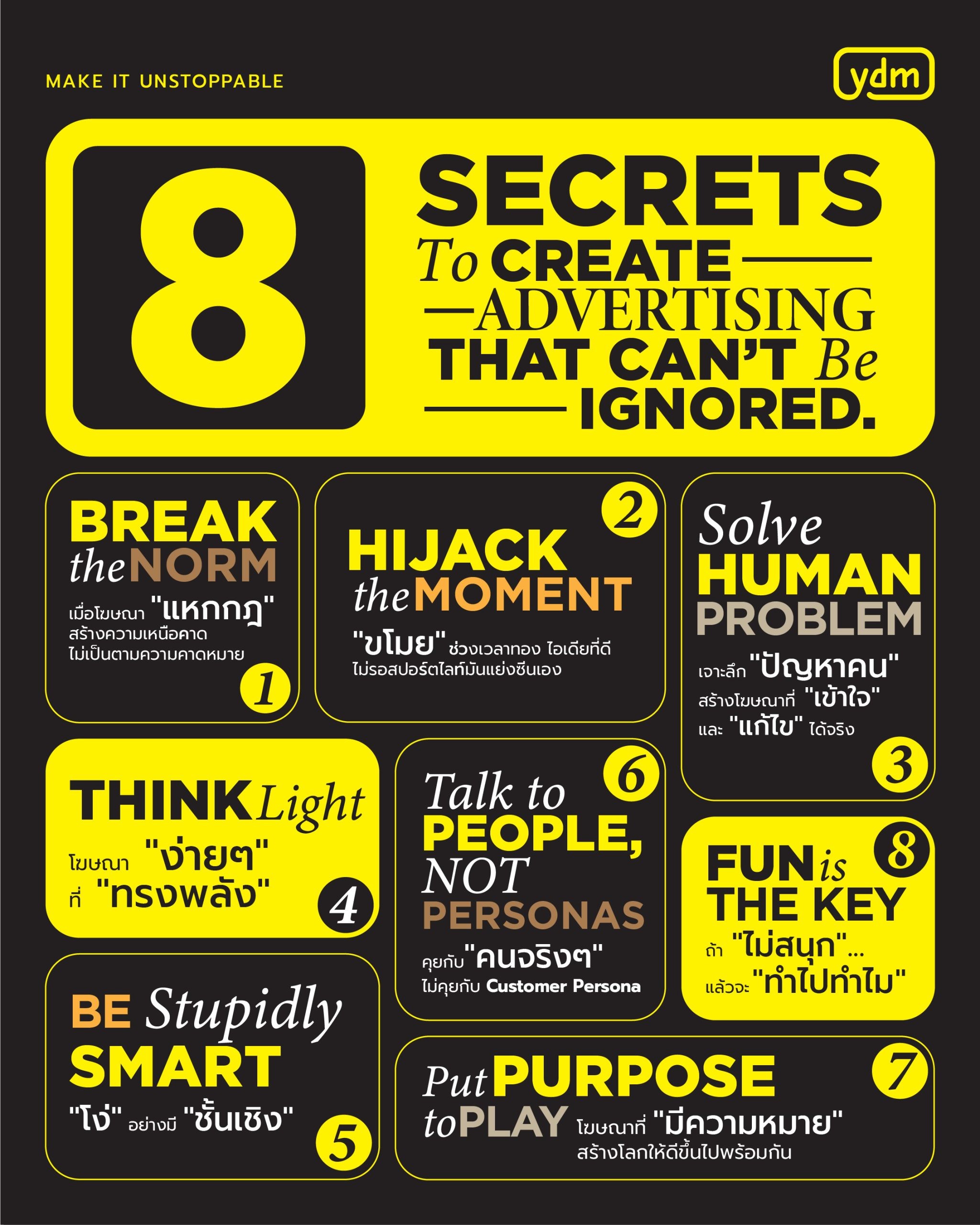
Unlocking the Secret: 8 Keys to Creating Impactful Advertising Campaigns
Jan 15, 2025
{
News
}
Unlocking the Secret: 8 Keys to Creating Impactful Advertising Campaigns
Jan 15, 2025
{
News
}
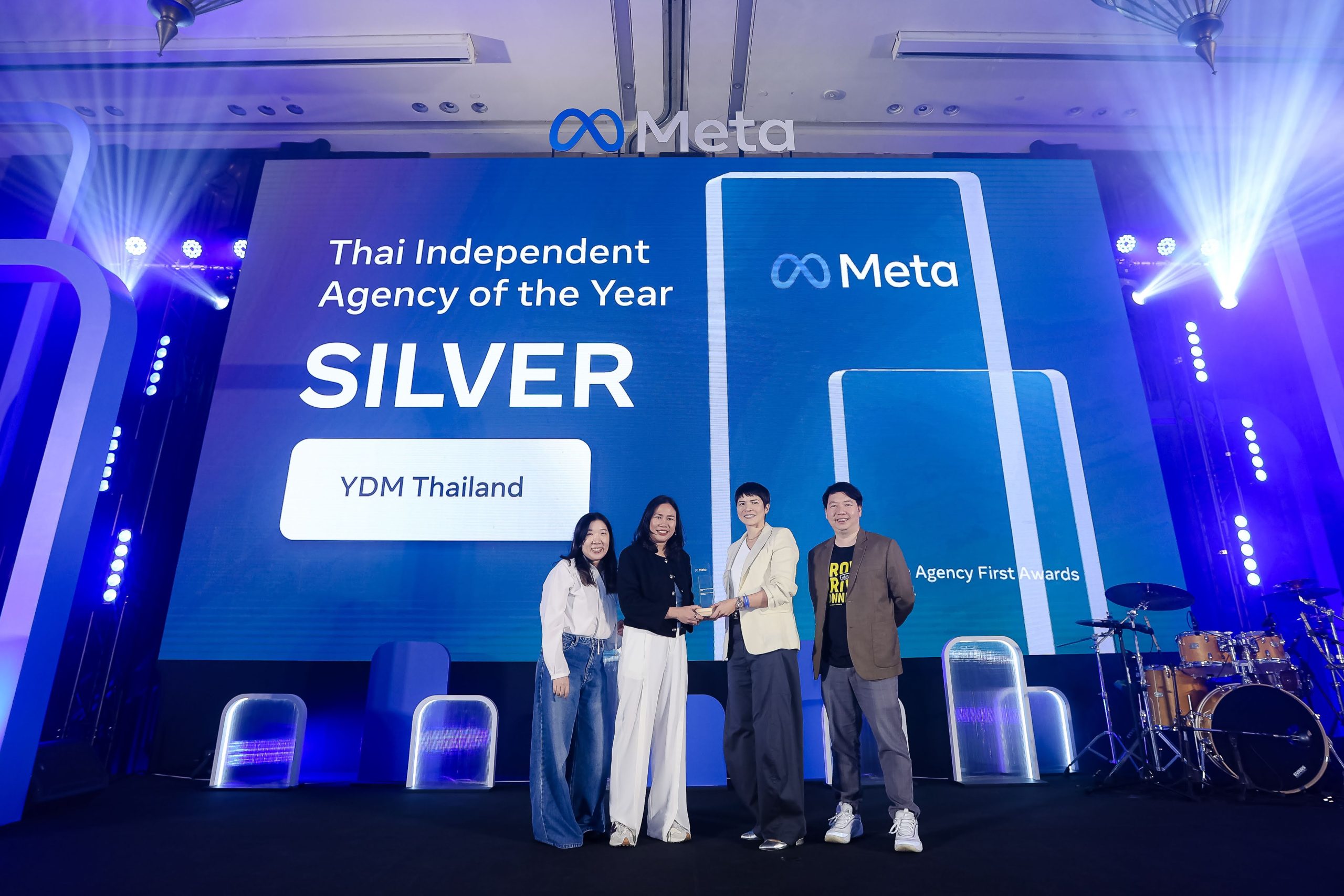
YDM Makes Waves with Double Wins at Meta Awards, Reveals Key Drivers Behind Its Success
Dec 24, 2024
{
News
}
YDM Makes Waves with Double Wins at Meta Awards, Reveals Key Drivers Behind Its Success
Dec 24, 2024
{
News
}
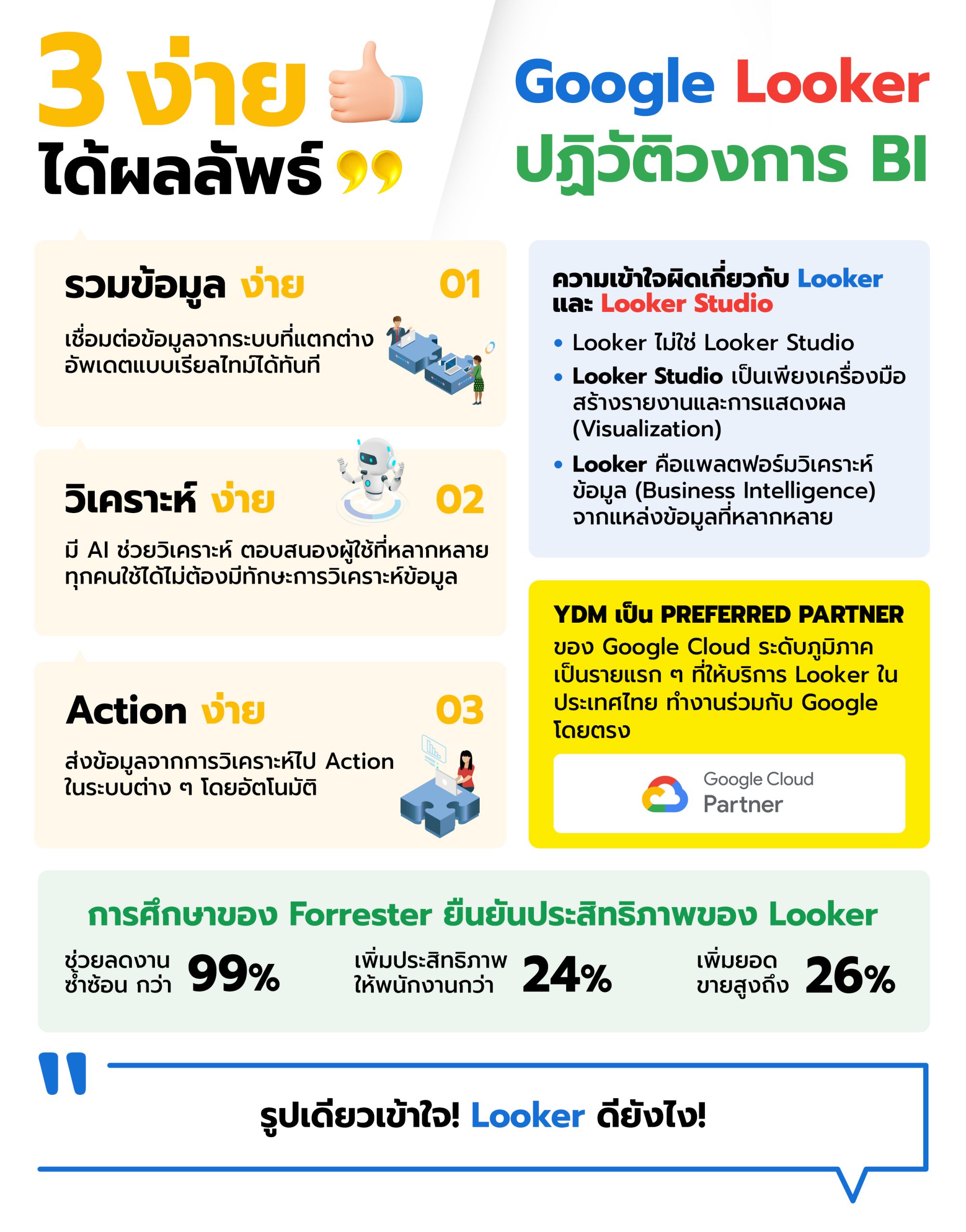
YDM Transforms the BI Landscape with Looker: Making Data “Simple” and More Effective (Looker is not Looker Studio)
Dec 17, 2024
{
News
}
YDM Transforms the BI Landscape with Looker: Making Data “Simple” and More Effective (Looker is not Looker Studio)
Dec 17, 2024
{
News
}
Unlocking the Secret: 8 Keys to Creating Impactful Advertising Campaigns
Jan 15, 2025
{
News
}
YDM Makes Waves with Double Wins at Meta Awards, Reveals Key Drivers Behind Its Success
Dec 24, 2024
{
News
}
YDM Transforms the BI Landscape with Looker: Making Data “Simple” and More Effective (Looker is not Looker Studio)
Dec 17, 2024
{
News
}
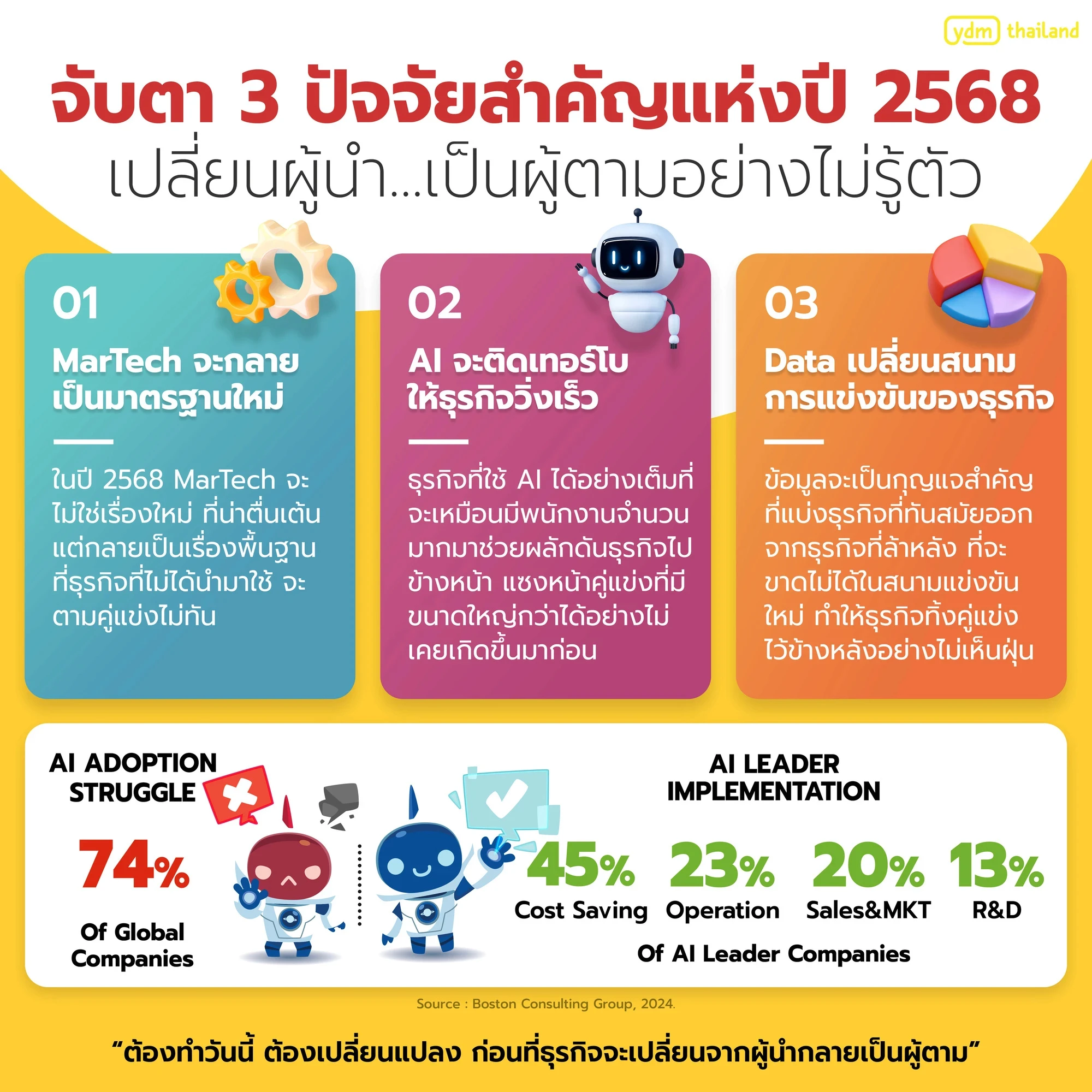
Watch Out: 3 Key Factors in 2025 That Could Turn Leaders into Followers Without Realizing It
Dec 3, 2024
{
News
}
Unlocking the Secret: 8 Keys to Creating Impactful Advertising Campaigns
Jan 15, 2025
{
News
}
YDM Makes Waves with Double Wins at Meta Awards, Reveals Key Drivers Behind Its Success
Dec 24, 2024
{
News
}
YDM Transforms the BI Landscape with Looker: Making Data “Simple” and More Effective (Looker is not Looker Studio)
Dec 17, 2024
{
News
}
Watch Out: 3 Key Factors in 2025 That Could Turn Leaders into Followers Without Realizing It
Dec 3, 2024