[
Article
]
Call Yourself a "Professional" with Full Confidence
Call Yourself a "Professional" with Full Confidence
By Tanapon Subsomboon, Chief Executive Officer, YDM Thailand
By Tanapon Subsomboon, Chief Executive Officer, YDM Thailand
By Tanapon Subsomboon, Chief Executive Officer, YDM Thailand

Everyone wants to produce work that is excellent, stylish, and professional. But in reality, there are many reasons why work does not end up as beautifully as expected. At the beginning, we think, 'Ha! This project is the one—I’m going all out and finishing it in style.' In the end, it becomes, 'Just managing to finish it is already a blessing.'
I have worked with many senior and junior freelancers—through networking, finding connections, meeting younger talent, and building teams to work together. New people continue to come into the projects I oversee. That has allowed me to observe the working methods of many people, including myself, and to ask whether calling ourselves "professionals" is really true.
Tell the truth.
Can do, cannot do; finished, not finished—stand up straight and admit it.
When work is not finished, people make excuses and tell the client there were this or that problem... blah blah blah. If the reasons are true, that is understandable. But once you begin lying, you will have to keep lying. The more you lie, the worse it gets, and when the truth finally breaks open, it becomes very hard to fix anything.
We want the job to be finished, and the client wants the work too. We are on the same side, not enemies.
We want the work completed, and the client wants the same. We are on the same side, not enemies. So whatever it is, say it honestly. If you can help each other, then help. Problems always exist. It is far better to solve them early than to blame one another, which is useless.

Responsible and dependable
If Mr. Tee Lek is responsible, that does not mean he is always right. It does not mean he has never delivered work late. It does not mean he has never made mistakes or caused damage. But it means he dares to accept what he has done. He does not run away or abandon the work.
A senior once explained professionalism to me in a way I still remember well: "a professional hitman." Once he accepts the job, he goes and shoots the target. But if the target survives, then a true professional must dare to go to the hospital and finish the job—because once hired, it must definitely be completed. That is why this hitman can be trusted.

Easy to contact, quick to respond
This is not difficult at all, but it creates tremendous confidence for clients. Being easy to reach helps clients feel assured that if they hire us and any problem arises, they will get an immediate response. Even if we cannot solve it at that exact moment, the client will still feel relieved, because they know the problem will be addressed soon.

Think beyond simply following orders
I believe most developers already have this, because work always starts with a brief and requirements. Those are the client’s needs.
What the client wants is the "result," not the "method." The client may understand their own business better, but we certainly have more experience in using tools and software to solve problems.
What the client wants is the result, not the method.
Because we have worked on many projects, we should propose, exchange ideas, and discuss options so that we can achieve a better result through the right, suitable, and simple approach. If the beginning is good, the whole project becomes much easier and faster.

Focus on the result, not the scope of work
As mentioned, the client wants the result. The scope of work is merely an agreement between us and the client. If we work with the scope as the main guide, the final output will only be average.
A professional must deliver more than expected. So how can we do that when the scope already feels large enough?
We do not need to make every part of the work amazing and polished 100%. It is enough to make everything complete, then choose the 20% that is truly the core—the part that most affects the result—and do that 20% to the very best of our ability.
A professional must deliver more than expected.

Our game, or the client’s servant?
Will we be the ones controlling the game?
P' abc, could I please have xxx so I can give it to the designer?
P' abc, could I please have xxx so I can analyze the system?
P' abc, could I please have xxx so I can proceed with installation?
Or will the client control the game?
Mr. Tee Lek, is xxx done yet? ... Yes, just a moment,
Mr. Tee Lek, is xxx done yet? ... Yes, I’ll follow up with the junior,
Mr. Tee Lek, is xxx done yet? ... Yes, I’ll summarize it for you,
To stay ahead means we must be more prepared, faster, and able to see and anticipate more. Detailed planning in advance helps.
I think this is the hardest point, because it is not only about us individually. It has to be our whole team. We must help keep the client under control and work proactively together. When we hold the stronger cards, the work becomes easier—and so does the money.
To be ahead means we must be more prepared, faster, and better able to foresee and anticipate. Careful planning in advance helps with this.

The best is this job; the coolest is the next one
I remember clearly that in one TV program, Stamp Apiwat (singer-songwriter) was asked, 'Which song do you like most?' He answered:
The song I like most is the latest one.
The song that will be the best is the next one.
Wow, that really hit me. So I borrowed it too.
So I might as well copy it outright. (Yes, exactly.)

Once you accept the job, money is no longer the issue
P'Tee... this project is xx,xxx baht; doing only this much should be enough, right?
If we agreed with the client on this amount of work for this amount of money, then whether the project is cheap or expensive, once we decide to accept it, we must do it wholeheartedly. The quality must meet the standard, whether the fee is low or high, whether we lose money, spend too much time, or take a hit.
If you think you cannot handle it, do not accept it. But once you do accept it, whether the money is much or little is no longer the issue. That is professionalism.

Always think positively
Positive thinking does not mean ignoring problems. It does not mean simply looking on the bright side. Positive thinking means accepting things as they are.
Positive thinking means accepting things as they are.
Whatever has already happened is always for the good (as one slightly eccentric junior in the team once said). Effort is an asset that never runs out (from some TV show). There are no problems, only challenges (from a recent meeting). Do not fight so that the people you love can be happy; fight so that you can be happy together with the people you love (said by one senior who has been through a lot in life).
There are many more like these. Observe them, write them down, even stick them on your wall so you can see them every day. The power of the mind is extremely important. People who carry this kind of energy within themselves can be felt by those around them, and it spreads from one person to another, creating a strong network of hearts that can work together happily.
In the end,
even if what we are doing right now is not as glamorous, cool, or stylish as we once imagined, after reading this article we can still start again. Try adjusting your way of working to make it better. Just changing your attitude can make everything improve visibly. (To be honest, I myself still cannot do every one of these perfectly either... I am still trying. Keep fighting, everyone.)
Everyone wants to produce work that is excellent, stylish, and professional. But in reality, there are many reasons why work does not end up as beautifully as expected. At the beginning, we think, 'Ha! This project is the one—I’m going all out and finishing it in style.' In the end, it becomes, 'Just managing to finish it is already a blessing.'
I have worked with many senior and junior freelancers—through networking, finding connections, meeting younger talent, and building teams to work together. New people continue to come into the projects I oversee. That has allowed me to observe the working methods of many people, including myself, and to ask whether calling ourselves "professionals" is really true.
Tell the truth.
Can do, cannot do; finished, not finished—stand up straight and admit it.
When work is not finished, people make excuses and tell the client there were this or that problem... blah blah blah. If the reasons are true, that is understandable. But once you begin lying, you will have to keep lying. The more you lie, the worse it gets, and when the truth finally breaks open, it becomes very hard to fix anything.
We want the job to be finished, and the client wants the work too. We are on the same side, not enemies.
We want the work completed, and the client wants the same. We are on the same side, not enemies. So whatever it is, say it honestly. If you can help each other, then help. Problems always exist. It is far better to solve them early than to blame one another, which is useless.
Responsible and dependable
If Mr. Tee Lek is responsible, that does not mean he is always right. It does not mean he has never delivered work late. It does not mean he has never made mistakes or caused damage. But it means he dares to accept what he has done. He does not run away or abandon the work.
A senior once explained professionalism to me in a way I still remember well: "a professional hitman." Once he accepts the job, he goes and shoots the target. But if the target survives, then a true professional must dare to go to the hospital and finish the job—because once hired, it must definitely be completed. That is why this hitman can be trusted.
Easy to contact, quick to respond
This is not difficult at all, but it creates tremendous confidence for clients. Being easy to reach helps clients feel assured that if they hire us and any problem arises, they will get an immediate response. Even if we cannot solve it at that exact moment, the client will still feel relieved, because they know the problem will be addressed soon.
Think beyond simply following orders
I believe most developers already have this, because work always starts with a brief and requirements. Those are the client’s needs.
What the client wants is the "result," not the "method." The client may understand their own business better, but we certainly have more experience in using tools and software to solve problems.
What the client wants is the result, not the method.
Because we have worked on many projects, we should propose, exchange ideas, and discuss options so that we can achieve a better result through the right, suitable, and simple approach. If the beginning is good, the whole project becomes much easier and faster.
Focus on the result, not the scope of work
As mentioned, the client wants the result. The scope of work is merely an agreement between us and the client. If we work with the scope as the main guide, the final output will only be average.
A professional must deliver more than expected. So how can we do that when the scope already feels large enough?
We do not need to make every part of the work amazing and polished 100%. It is enough to make everything complete, then choose the 20% that is truly the core—the part that most affects the result—and do that 20% to the very best of our ability.
A professional must deliver more than expected.
Our game, or the client’s servant?
Will we be the ones controlling the game?
P' abc, could I please have xxx so I can give it to the designer?
P' abc, could I please have xxx so I can analyze the system?
P' abc, could I please have xxx so I can proceed with installation?
Or will the client control the game?
Mr. Tee Lek, is xxx done yet? ... Yes, just a moment,
Mr. Tee Lek, is xxx done yet? ... Yes, I’ll follow up with the junior,
Mr. Tee Lek, is xxx done yet? ... Yes, I’ll summarize it for you,
To stay ahead means we must be more prepared, faster, and able to see and anticipate more. Detailed planning in advance helps.
I think this is the hardest point, because it is not only about us individually. It has to be our whole team. We must help keep the client under control and work proactively together. When we hold the stronger cards, the work becomes easier—and so does the money.
To be ahead means we must be more prepared, faster, and better able to foresee and anticipate. Careful planning in advance helps with this.
The best is this job; the coolest is the next one
I remember clearly that in one TV program, Stamp Apiwat (singer-songwriter) was asked, 'Which song do you like most?' He answered:
The song I like most is the latest one.
The song that will be the best is the next one.
Wow, that really hit me. So I borrowed it too.
So I might as well copy it outright. (Yes, exactly.)
Once you accept the job, money is no longer the issue
P'Tee... this project is xx,xxx baht; doing only this much should be enough, right?
If we agreed with the client on this amount of work for this amount of money, then whether the project is cheap or expensive, once we decide to accept it, we must do it wholeheartedly. The quality must meet the standard, whether the fee is low or high, whether we lose money, spend too much time, or take a hit.
If you think you cannot handle it, do not accept it. But once you do accept it, whether the money is much or little is no longer the issue. That is professionalism.
Always think positively
Positive thinking does not mean ignoring problems. It does not mean simply looking on the bright side. Positive thinking means accepting things as they are.
Positive thinking means accepting things as they are.
Whatever has already happened is always for the good (as one slightly eccentric junior in the team once said). Effort is an asset that never runs out (from some TV show). There are no problems, only challenges (from a recent meeting). Do not fight so that the people you love can be happy; fight so that you can be happy together with the people you love (said by one senior who has been through a lot in life).
There are many more like these. Observe them, write them down, even stick them on your wall so you can see them every day. The power of the mind is extremely important. People who carry this kind of energy within themselves can be felt by those around them, and it spreads from one person to another, creating a strong network of hearts that can work together happily.
In the end,
even if what we are doing right now is not as glamorous, cool, or stylish as we once imagined, after reading this article we can still start again. Try adjusting your way of working to make it better. Just changing your attitude can make everything improve visibly. (To be honest, I myself still cannot do every one of these perfectly either... I am still trying. Keep fighting, everyone.)
Everyone wants to produce work that is excellent, stylish, and professional. But in reality, there are many reasons why work does not end up as beautifully as expected. At the beginning, we think, 'Ha! This project is the one—I’m going all out and finishing it in style.' In the end, it becomes, 'Just managing to finish it is already a blessing.'
I have worked with many senior and junior freelancers—through networking, finding connections, meeting younger talent, and building teams to work together. New people continue to come into the projects I oversee. That has allowed me to observe the working methods of many people, including myself, and to ask whether calling ourselves "professionals" is really true.
Tell the truth.
Can do, cannot do; finished, not finished—stand up straight and admit it.
When work is not finished, people make excuses and tell the client there were this or that problem... blah blah blah. If the reasons are true, that is understandable. But once you begin lying, you will have to keep lying. The more you lie, the worse it gets, and when the truth finally breaks open, it becomes very hard to fix anything.
We want the job to be finished, and the client wants the work too. We are on the same side, not enemies.
We want the work completed, and the client wants the same. We are on the same side, not enemies. So whatever it is, say it honestly. If you can help each other, then help. Problems always exist. It is far better to solve them early than to blame one another, which is useless.
Responsible and dependable
If Mr. Tee Lek is responsible, that does not mean he is always right. It does not mean he has never delivered work late. It does not mean he has never made mistakes or caused damage. But it means he dares to accept what he has done. He does not run away or abandon the work.
A senior once explained professionalism to me in a way I still remember well: "a professional hitman." Once he accepts the job, he goes and shoots the target. But if the target survives, then a true professional must dare to go to the hospital and finish the job—because once hired, it must definitely be completed. That is why this hitman can be trusted.
Easy to contact, quick to respond
This is not difficult at all, but it creates tremendous confidence for clients. Being easy to reach helps clients feel assured that if they hire us and any problem arises, they will get an immediate response. Even if we cannot solve it at that exact moment, the client will still feel relieved, because they know the problem will be addressed soon.
Think beyond simply following orders
I believe most developers already have this, because work always starts with a brief and requirements. Those are the client’s needs.
What the client wants is the "result," not the "method." The client may understand their own business better, but we certainly have more experience in using tools and software to solve problems.
What the client wants is the result, not the method.
Because we have worked on many projects, we should propose, exchange ideas, and discuss options so that we can achieve a better result through the right, suitable, and simple approach. If the beginning is good, the whole project becomes much easier and faster.
Focus on the result, not the scope of work
As mentioned, the client wants the result. The scope of work is merely an agreement between us and the client. If we work with the scope as the main guide, the final output will only be average.
A professional must deliver more than expected. So how can we do that when the scope already feels large enough?
We do not need to make every part of the work amazing and polished 100%. It is enough to make everything complete, then choose the 20% that is truly the core—the part that most affects the result—and do that 20% to the very best of our ability.
A professional must deliver more than expected.
Our game, or the client’s servant?
Will we be the ones controlling the game?
P' abc, could I please have xxx so I can give it to the designer?
P' abc, could I please have xxx so I can analyze the system?
P' abc, could I please have xxx so I can proceed with installation?
Or will the client control the game?
Mr. Tee Lek, is xxx done yet? ... Yes, just a moment,
Mr. Tee Lek, is xxx done yet? ... Yes, I’ll follow up with the junior,
Mr. Tee Lek, is xxx done yet? ... Yes, I’ll summarize it for you,
To stay ahead means we must be more prepared, faster, and able to see and anticipate more. Detailed planning in advance helps.
I think this is the hardest point, because it is not only about us individually. It has to be our whole team. We must help keep the client under control and work proactively together. When we hold the stronger cards, the work becomes easier—and so does the money.
To be ahead means we must be more prepared, faster, and better able to foresee and anticipate. Careful planning in advance helps with this.
The best is this job; the coolest is the next one
I remember clearly that in one TV program, Stamp Apiwat (singer-songwriter) was asked, 'Which song do you like most?' He answered:
The song I like most is the latest one.
The song that will be the best is the next one.
Wow, that really hit me. So I borrowed it too.
So I might as well copy it outright. (Yes, exactly.)
Once you accept the job, money is no longer the issue
P'Tee... this project is xx,xxx baht; doing only this much should be enough, right?
If we agreed with the client on this amount of work for this amount of money, then whether the project is cheap or expensive, once we decide to accept it, we must do it wholeheartedly. The quality must meet the standard, whether the fee is low or high, whether we lose money, spend too much time, or take a hit.
If you think you cannot handle it, do not accept it. But once you do accept it, whether the money is much or little is no longer the issue. That is professionalism.
Always think positively
Positive thinking does not mean ignoring problems. It does not mean simply looking on the bright side. Positive thinking means accepting things as they are.
Positive thinking means accepting things as they are.
Whatever has already happened is always for the good (as one slightly eccentric junior in the team once said). Effort is an asset that never runs out (from some TV show). There are no problems, only challenges (from a recent meeting). Do not fight so that the people you love can be happy; fight so that you can be happy together with the people you love (said by one senior who has been through a lot in life).
There are many more like these. Observe them, write them down, even stick them on your wall so you can see them every day. The power of the mind is extremely important. People who carry this kind of energy within themselves can be felt by those around them, and it spreads from one person to another, creating a strong network of hearts that can work together happily.
In the end,
even if what we are doing right now is not as glamorous, cool, or stylish as we once imagined, after reading this article we can still start again. Try adjusting your way of working to make it better. Just changing your attitude can make everything improve visibly. (To be honest, I myself still cannot do every one of these perfectly either... I am still trying. Keep fighting, everyone.)
[
Connect
]
How can we help you innovate?
Drop us a line.
Get in
touch
[
Connect
]
How can we help you innovate?
Drop us a line.
Get in
touch
[
Connect
]
How can we help you innovate?
Drop us a line.
Get in
touch
Related
Movements.
{
News
}
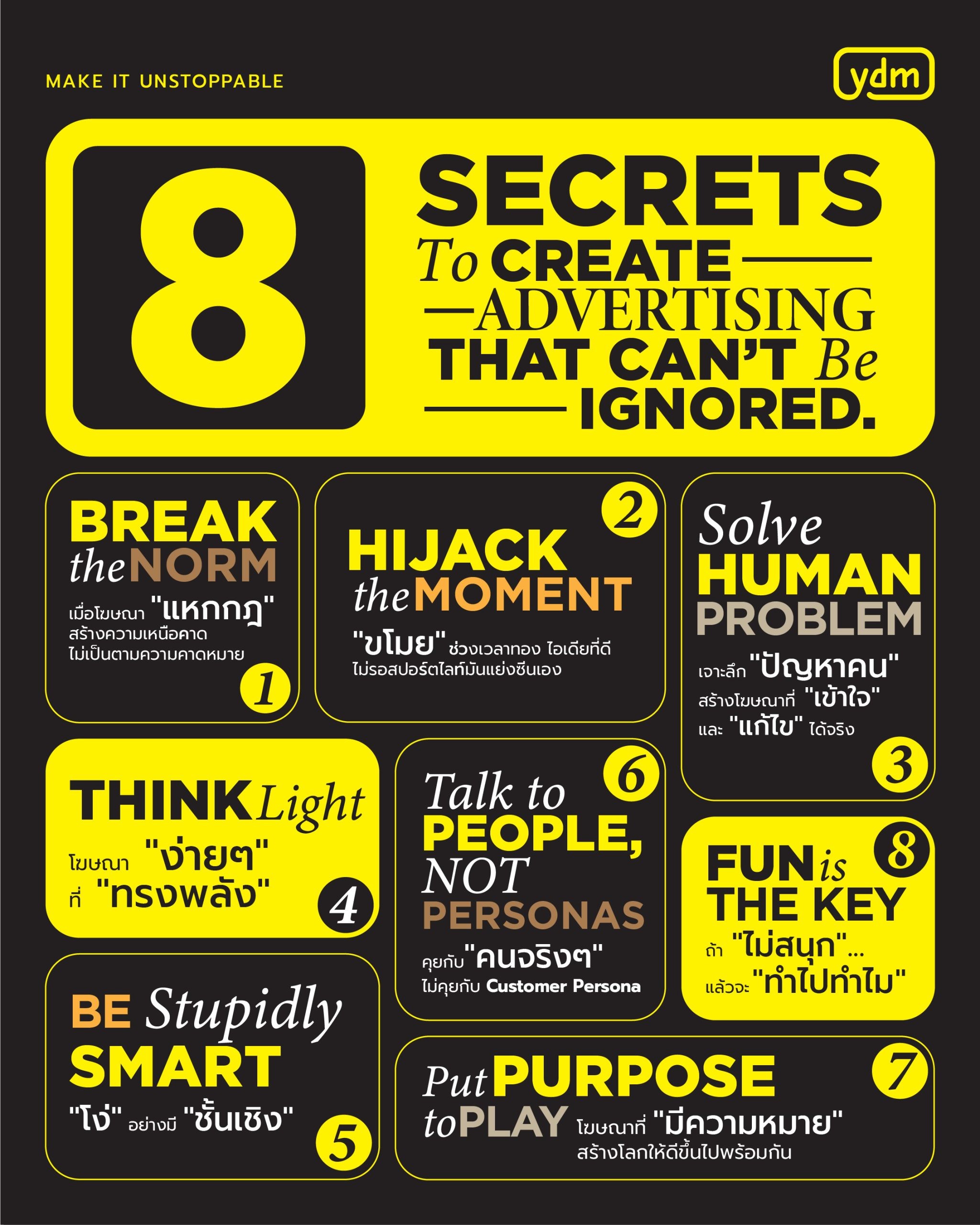
Unlocking the Secret: 8 Keys to Creating Impactful Advertising Campaigns
Jan 15, 2025
{
News
}
Unlocking the Secret: 8 Keys to Creating Impactful Advertising Campaigns
Jan 15, 2025

{
News
}
YDM Makes Waves with Double Wins at Meta Awards, Reveals Key Drivers Behind Its Success
Dec 24, 2024
{
News
}
YDM Makes Waves with Double Wins at Meta Awards, Reveals Key Drivers Behind Its Success
Dec 24, 2024
{
News
}
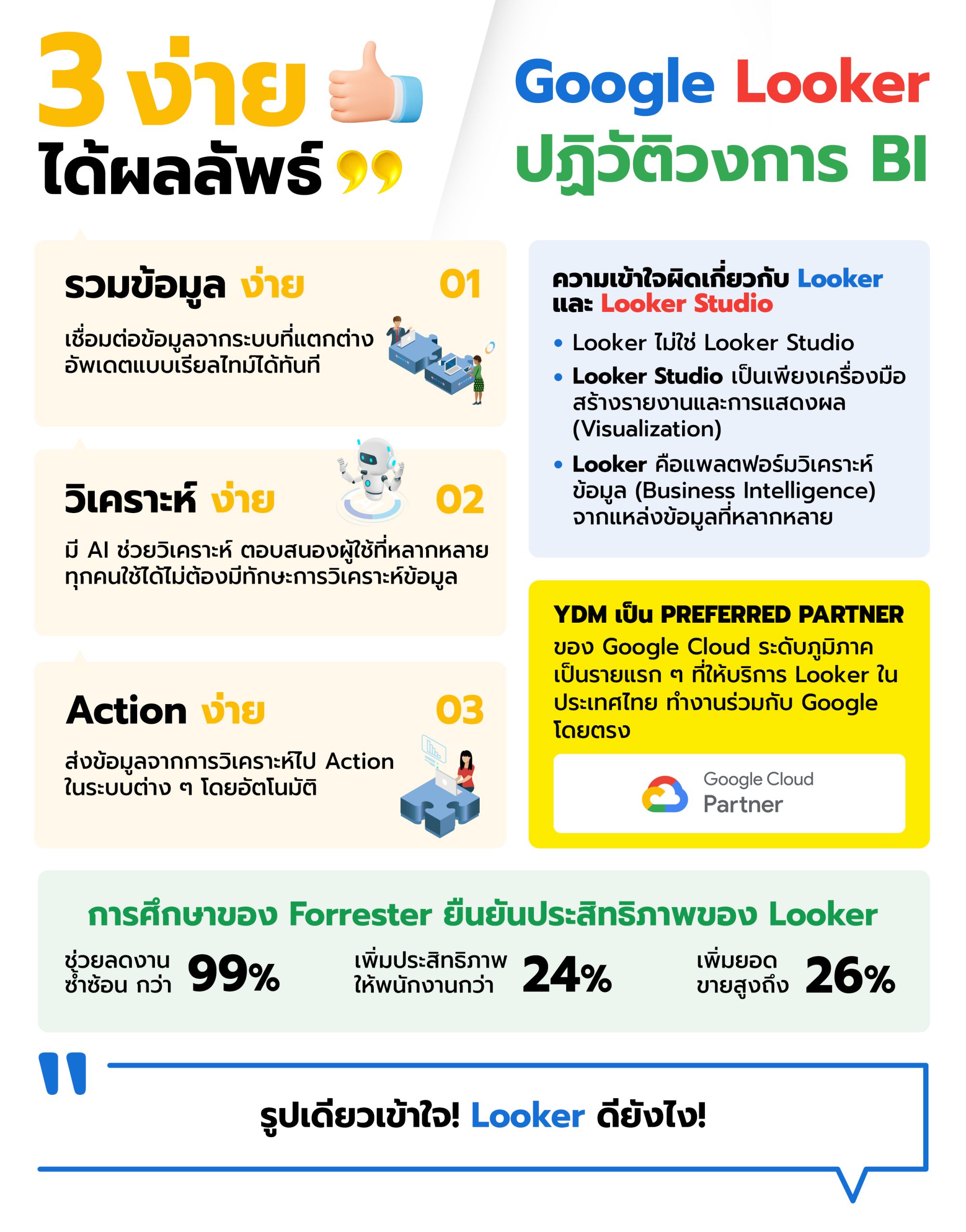
YDM Transforms the BI Landscape with Looker: Making Data “Simple” and More Effective (Looker is not Looker Studio)
Dec 17, 2024
{
News
}
YDM Transforms the BI Landscape with Looker: Making Data “Simple” and More Effective (Looker is not Looker Studio)
Dec 17, 2024
{
News
}
Unlocking the Secret: 8 Keys to Creating Impactful Advertising Campaigns
Jan 15, 2025
{
News
}
YDM Makes Waves with Double Wins at Meta Awards, Reveals Key Drivers Behind Its Success
Dec 24, 2024
{
News
}
YDM Transforms the BI Landscape with Looker: Making Data “Simple” and More Effective (Looker is not Looker Studio)
Dec 17, 2024

{
News
}
Watch Out: 3 Key Factors in 2025 That Could Turn Leaders into Followers Without Realizing It
Dec 3, 2024
{
News
}
Unlocking the Secret: 8 Keys to Creating Impactful Advertising Campaigns
Jan 15, 2025
{
News
}
YDM Makes Waves with Double Wins at Meta Awards, Reveals Key Drivers Behind Its Success
Dec 24, 2024
{
News
}
YDM Transforms the BI Landscape with Looker: Making Data “Simple” and More Effective (Looker is not Looker Studio)
Dec 17, 2024
{
News
}
Watch Out: 3 Key Factors in 2025 That Could Turn Leaders into Followers Without Realizing It
Dec 3, 2024