[
Article
]
"Small" but "Big": The Power of "Micro Influencers" When Consumers No Longer Listen to Brands, User Information Becomes Most Important
"Small" but "Big": The Power of "Micro Influencers" When Consumers No Longer Listen to Brands, User Information Becomes Most Important
By YDM
By YDM
By YDM

As the market has moved into an era in which consumer trust in brands has been severely shaken, consumers have begun to believe brands less, listen to brands less, and ask brands for greater sincerity. As a result, brand communication strategies must change. Instead of relying on celebrities or admired personalities to speak for the brand, brands now need to find people consumers are actually willing to listen to. Yet consumers seem to have learned how this game works, which means that this strategy today may create only awareness, but no longer trust or engagement.
Finding influencers, or opinion leaders whom consumers are willing to listen to, has therefore become essential for brands. This also aligns with the marketing trend of content marketing, which seeks to create stories connected to the brand without making consumers feel excessively pressured or pushed into rejecting them.
Search before buying; read reviews before deciding
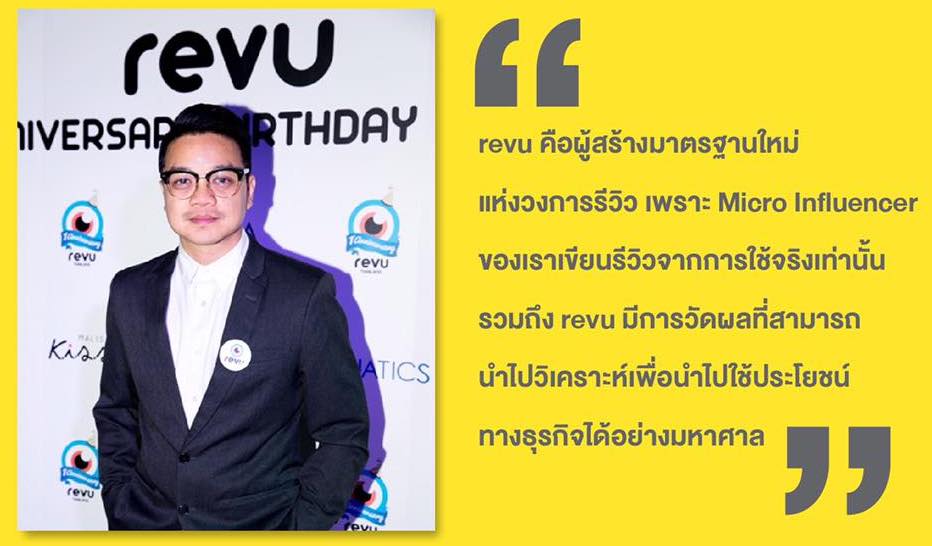
Anupong Chantorn, Managing Director of Alternate 65 Co., Ltd., which operates the review platform Revu, said that the goal of content marketing aligns with modern consumer behavior, especially in purchasing decisions, where people like to search for information about products and services from many sources before deciding. An interesting behavior observed is that when consumers visit a brand’s website, they look mainly for general product or service information. But the information that actually affects the buying decision is reviews or the experiences of previous users.
"What this reflects is that consumers do not believe what brands say. They feel brands are not sincere, so they choose to seek information from people who have actually used the product, especially if those people are friends or acquaintances, which makes it even more trustworthy. This is a global trend. As a result, this year the use of influencers to support brand communication has taken on a greater role in content creation, unlike two years ago when the focus was on creating buzzwords or viral content for social marketing."

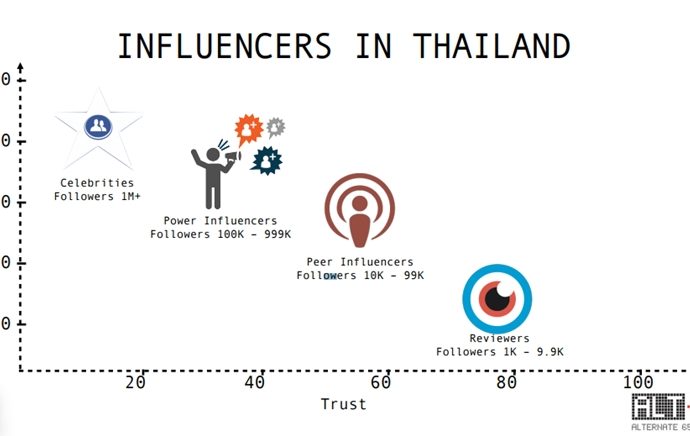
At the same time, influencer marketing itself has evolved in line with consumer behavior. Because consumers today increasingly understand how brands operate, choosing influencers must take into account how real or sincere they appear—qualities consumers constantly seek from brands. As a result, the use of micro influencers has become increasingly popular. Marketers have also had to reclassify influencers according to purpose, dividing them into four groups as follows.
Celebrities: public figures such as actors, singers, and entertainers with more than 1 million followers.
Power Influencers: famous, well-known bloggers with 100,000 to 1 million followers.
Peer Influencers: bloggers who are especially interested in or knowledgeable about a particular topic, attracting followers who share the same interest, usually around 10,000 to 100,000 followers.
Micro Influencers: ordinary people who enjoy reviewing products or writing their own blogs, with around 1,000 to 10,000 followers.
What is even more interesting is that the power of an influencer in terms of follower numbers often moves in exactly the opposite direction of the credibility and trust they receive from consumers.
Why use Micro Influencers?
Anupong notes that micro influencers are simply ordinary people, and most of their followers are friends or acquaintances. As a result, consumers believe their reviews come from genuine personal experience. Celebrities, on the other hand, often carry hidden commercial motives. Which type should be used depends on the brand’s objective—whether it wants to create awareness or engagement.
As consumers increasingly search for information before deciding to buy, brands want to be visible when those searches happen. That is why they create different kinds of content in order to appear in SEO systems, especially through reviews that can spread content across blogs, Facebook, fan pages, or Instagram. Reviews from real users through each person’s own media are especially credible. Reviews on webboards or public online communities, by contrast, may be seen as coming from brand representatives and therefore may not be taken seriously.
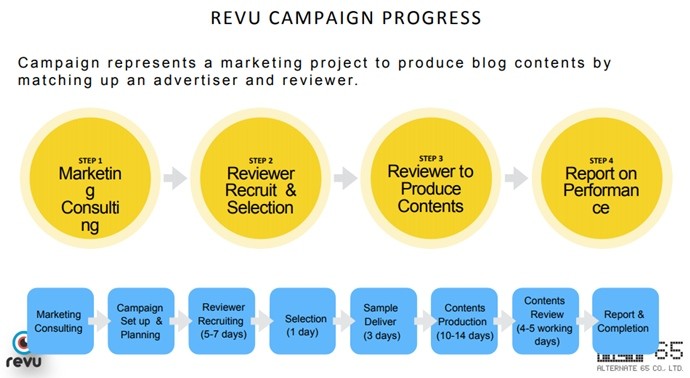
As these trends became clearer, Revu was developed last year as the first and only review platform of its kind at the moment, acting as an intermediary between brands and bloggers or micro influencers, whom the platform specifically calls reviewers. It serves as another tool for brands to build confidence and increase their visibility when consumers search for information. Using micro influencers as reviewers also reduces the pain point of customers not trusting brands. In addition, Revu does not pay cash compensation and requires reviews to come only from actual usage, allowing feelings to be communicated more directly and making consumers trust them even more.

Opportunities for brands from using Micro Influencers
Higher engagement compared with using power influencers, whose engagement rate is around 1.6–2%, while micro influencers achieve around 5–8%.
Greater credibility, because most followers are friends or acquaintances and usually share similar interests, which also creates opportunities to expand into friends-of-friends networks, making the following stronger and more loyal.
Less competition, because most of the market still prefers macro or power influencers, while consumers increasingly view celebrities as advertising. This makes micro influencers more effective and more cost-efficient.
No limitation on product categories, because they can review everything from beauty, fashion, and gadgets to dining and hotels.
Significant room for further growth. Revu currently has 6,500 micro influencers, up from 400 at the beginning, and aims to expand to 10,000. By comparison, South Korea—whose shopping journey is not very different—already has more than 260,000 micro influencers.

From the perspective of a platform provider like Revu, focusing on micro influencers creates strong marketing opportunities. At present, 300–400 brands use the service, with no fewer than 1,000 campaigns and more than 5,000 review pieces produced. Next year, the target is 1,000 brands, 3,000 campaigns, and at least 10,000 review pieces. The starting package price of 35,000 baht, using 10 reviewers, is an attractive proposition. Combined with proven marketing results, it has led around 20% of brands to continue using the service, while more than 80% of products come from the beauty category.
As the market has moved into an era in which consumer trust in brands has been severely shaken, consumers have begun to believe brands less, listen to brands less, and ask brands for greater sincerity. As a result, brand communication strategies must change. Instead of relying on celebrities or admired personalities to speak for the brand, brands now need to find people consumers are actually willing to listen to. Yet consumers seem to have learned how this game works, which means that this strategy today may create only awareness, but no longer trust or engagement.
Finding influencers, or opinion leaders whom consumers are willing to listen to, has therefore become essential for brands. This also aligns with the marketing trend of content marketing, which seeks to create stories connected to the brand without making consumers feel excessively pressured or pushed into rejecting them.
Search before buying; read reviews before deciding
Anupong Chantorn, Managing Director of Alternate 65 Co., Ltd., which operates the review platform Revu, said that the goal of content marketing aligns with modern consumer behavior, especially in purchasing decisions, where people like to search for information about products and services from many sources before deciding. An interesting behavior observed is that when consumers visit a brand’s website, they look mainly for general product or service information. But the information that actually affects the buying decision is reviews or the experiences of previous users.
"What this reflects is that consumers do not believe what brands say. They feel brands are not sincere, so they choose to seek information from people who have actually used the product, especially if those people are friends or acquaintances, which makes it even more trustworthy. This is a global trend. As a result, this year the use of influencers to support brand communication has taken on a greater role in content creation, unlike two years ago when the focus was on creating buzzwords or viral content for social marketing."
At the same time, influencer marketing itself has evolved in line with consumer behavior. Because consumers today increasingly understand how brands operate, choosing influencers must take into account how real or sincere they appear—qualities consumers constantly seek from brands. As a result, the use of micro influencers has become increasingly popular. Marketers have also had to reclassify influencers according to purpose, dividing them into four groups as follows.
Celebrities: public figures such as actors, singers, and entertainers with more than 1 million followers.
Power Influencers: famous, well-known bloggers with 100,000 to 1 million followers.
Peer Influencers: bloggers who are especially interested in or knowledgeable about a particular topic, attracting followers who share the same interest, usually around 10,000 to 100,000 followers.
Micro Influencers: ordinary people who enjoy reviewing products or writing their own blogs, with around 1,000 to 10,000 followers.
What is even more interesting is that the power of an influencer in terms of follower numbers often moves in exactly the opposite direction of the credibility and trust they receive from consumers.
Why use Micro Influencers?
Anupong notes that micro influencers are simply ordinary people, and most of their followers are friends or acquaintances. As a result, consumers believe their reviews come from genuine personal experience. Celebrities, on the other hand, often carry hidden commercial motives. Which type should be used depends on the brand’s objective—whether it wants to create awareness or engagement.
As consumers increasingly search for information before deciding to buy, brands want to be visible when those searches happen. That is why they create different kinds of content in order to appear in SEO systems, especially through reviews that can spread content across blogs, Facebook, fan pages, or Instagram. Reviews from real users through each person’s own media are especially credible. Reviews on webboards or public online communities, by contrast, may be seen as coming from brand representatives and therefore may not be taken seriously.
As these trends became clearer, Revu was developed last year as the first and only review platform of its kind at the moment, acting as an intermediary between brands and bloggers or micro influencers, whom the platform specifically calls reviewers. It serves as another tool for brands to build confidence and increase their visibility when consumers search for information. Using micro influencers as reviewers also reduces the pain point of customers not trusting brands. In addition, Revu does not pay cash compensation and requires reviews to come only from actual usage, allowing feelings to be communicated more directly and making consumers trust them even more.
Opportunities for brands from using Micro Influencers
Higher engagement compared with using power influencers, whose engagement rate is around 1.6–2%, while micro influencers achieve around 5–8%.
Greater credibility, because most followers are friends or acquaintances and usually share similar interests, which also creates opportunities to expand into friends-of-friends networks, making the following stronger and more loyal.
Less competition, because most of the market still prefers macro or power influencers, while consumers increasingly view celebrities as advertising. This makes micro influencers more effective and more cost-efficient.
No limitation on product categories, because they can review everything from beauty, fashion, and gadgets to dining and hotels.
Significant room for further growth. Revu currently has 6,500 micro influencers, up from 400 at the beginning, and aims to expand to 10,000. By comparison, South Korea—whose shopping journey is not very different—already has more than 260,000 micro influencers.
From the perspective of a platform provider like Revu, focusing on micro influencers creates strong marketing opportunities. At present, 300–400 brands use the service, with no fewer than 1,000 campaigns and more than 5,000 review pieces produced. Next year, the target is 1,000 brands, 3,000 campaigns, and at least 10,000 review pieces. The starting package price of 35,000 baht, using 10 reviewers, is an attractive proposition. Combined with proven marketing results, it has led around 20% of brands to continue using the service, while more than 80% of products come from the beauty category.
As the market has moved into an era in which consumer trust in brands has been severely shaken, consumers have begun to believe brands less, listen to brands less, and ask brands for greater sincerity. As a result, brand communication strategies must change. Instead of relying on celebrities or admired personalities to speak for the brand, brands now need to find people consumers are actually willing to listen to. Yet consumers seem to have learned how this game works, which means that this strategy today may create only awareness, but no longer trust or engagement.
Finding influencers, or opinion leaders whom consumers are willing to listen to, has therefore become essential for brands. This also aligns with the marketing trend of content marketing, which seeks to create stories connected to the brand without making consumers feel excessively pressured or pushed into rejecting them.
Search before buying; read reviews before deciding
Anupong Chantorn, Managing Director of Alternate 65 Co., Ltd., which operates the review platform Revu, said that the goal of content marketing aligns with modern consumer behavior, especially in purchasing decisions, where people like to search for information about products and services from many sources before deciding. An interesting behavior observed is that when consumers visit a brand’s website, they look mainly for general product or service information. But the information that actually affects the buying decision is reviews or the experiences of previous users.
"What this reflects is that consumers do not believe what brands say. They feel brands are not sincere, so they choose to seek information from people who have actually used the product, especially if those people are friends or acquaintances, which makes it even more trustworthy. This is a global trend. As a result, this year the use of influencers to support brand communication has taken on a greater role in content creation, unlike two years ago when the focus was on creating buzzwords or viral content for social marketing."
At the same time, influencer marketing itself has evolved in line with consumer behavior. Because consumers today increasingly understand how brands operate, choosing influencers must take into account how real or sincere they appear—qualities consumers constantly seek from brands. As a result, the use of micro influencers has become increasingly popular. Marketers have also had to reclassify influencers according to purpose, dividing them into four groups as follows.
Celebrities: public figures such as actors, singers, and entertainers with more than 1 million followers.
Power Influencers: famous, well-known bloggers with 100,000 to 1 million followers.
Peer Influencers: bloggers who are especially interested in or knowledgeable about a particular topic, attracting followers who share the same interest, usually around 10,000 to 100,000 followers.
Micro Influencers: ordinary people who enjoy reviewing products or writing their own blogs, with around 1,000 to 10,000 followers.
What is even more interesting is that the power of an influencer in terms of follower numbers often moves in exactly the opposite direction of the credibility and trust they receive from consumers.
Why use Micro Influencers?
Anupong notes that micro influencers are simply ordinary people, and most of their followers are friends or acquaintances. As a result, consumers believe their reviews come from genuine personal experience. Celebrities, on the other hand, often carry hidden commercial motives. Which type should be used depends on the brand’s objective—whether it wants to create awareness or engagement.
As consumers increasingly search for information before deciding to buy, brands want to be visible when those searches happen. That is why they create different kinds of content in order to appear in SEO systems, especially through reviews that can spread content across blogs, Facebook, fan pages, or Instagram. Reviews from real users through each person’s own media are especially credible. Reviews on webboards or public online communities, by contrast, may be seen as coming from brand representatives and therefore may not be taken seriously.
As these trends became clearer, Revu was developed last year as the first and only review platform of its kind at the moment, acting as an intermediary between brands and bloggers or micro influencers, whom the platform specifically calls reviewers. It serves as another tool for brands to build confidence and increase their visibility when consumers search for information. Using micro influencers as reviewers also reduces the pain point of customers not trusting brands. In addition, Revu does not pay cash compensation and requires reviews to come only from actual usage, allowing feelings to be communicated more directly and making consumers trust them even more.
Opportunities for brands from using Micro Influencers
Higher engagement compared with using power influencers, whose engagement rate is around 1.6–2%, while micro influencers achieve around 5–8%.
Greater credibility, because most followers are friends or acquaintances and usually share similar interests, which also creates opportunities to expand into friends-of-friends networks, making the following stronger and more loyal.
Less competition, because most of the market still prefers macro or power influencers, while consumers increasingly view celebrities as advertising. This makes micro influencers more effective and more cost-efficient.
No limitation on product categories, because they can review everything from beauty, fashion, and gadgets to dining and hotels.
Significant room for further growth. Revu currently has 6,500 micro influencers, up from 400 at the beginning, and aims to expand to 10,000. By comparison, South Korea—whose shopping journey is not very different—already has more than 260,000 micro influencers.
From the perspective of a platform provider like Revu, focusing on micro influencers creates strong marketing opportunities. At present, 300–400 brands use the service, with no fewer than 1,000 campaigns and more than 5,000 review pieces produced. Next year, the target is 1,000 brands, 3,000 campaigns, and at least 10,000 review pieces. The starting package price of 35,000 baht, using 10 reviewers, is an attractive proposition. Combined with proven marketing results, it has led around 20% of brands to continue using the service, while more than 80% of products come from the beauty category.
The important thing is that we want to help set a standard for receiving reviews of products and services, especially in terms of pricing that can be controlled. Right now prices depend entirely on what each blogger asks for. We also want measurement that is tangible and can prove that this tool is effective. And compared with other content marketing tools, reviewing is one of the strongest and fastest-growing trends, accounting for about 10% of content marketing budgets. Revu’s revenue averages 1–1.5 million baht per month, and it aims for 30% revenue growth next year.
Anupong Chantorn, Managing Director of Alternate 65 Co., Ltd.
For inquiries about the REVU Platform:
E-mail: [email protected]
Phone: 09-1556-1044
Facebook inbox : https://www.facebook.com/revuthailand
[
Connect
]
How can we help you innovate?
Drop us a line.
Get in
touch
[
Connect
]
How can we help you innovate?
Drop us a line.
Get in
touch
[
Connect
]
How can we help you innovate?
Drop us a line.
Get in
touch
Related
Movements.

{
News
}
Unlocking the Secret: 8 Keys to Creating Impactful Advertising Campaigns
Jan 15, 2025
{
News
}
Unlocking the Secret: 8 Keys to Creating Impactful Advertising Campaigns
Jan 15, 2025

{
News
}
YDM Makes Waves with Double Wins at Meta Awards, Reveals Key Drivers Behind Its Success
Dec 24, 2024
{
News
}
YDM Makes Waves with Double Wins at Meta Awards, Reveals Key Drivers Behind Its Success
Dec 24, 2024
{
News
}
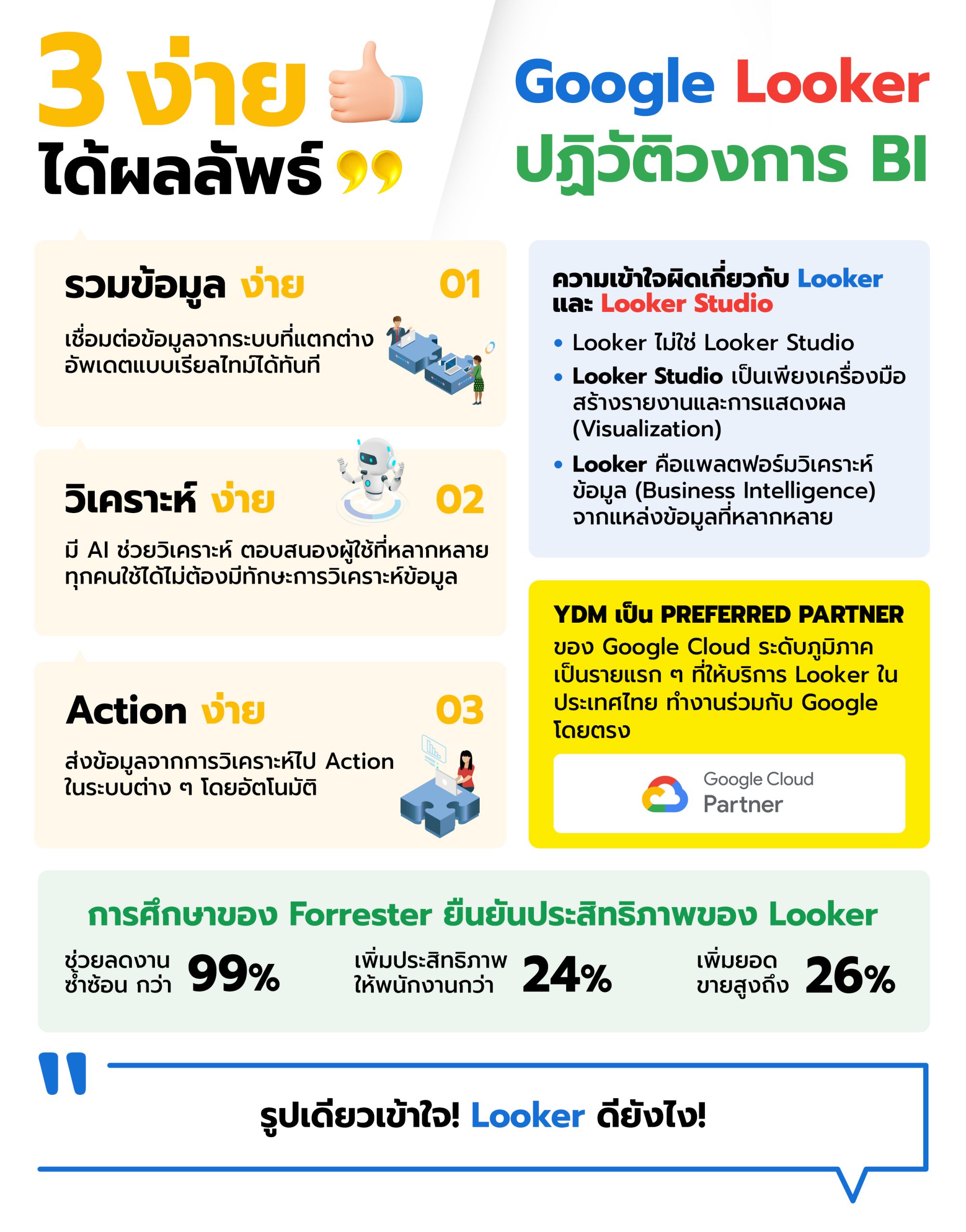
YDM Transforms the BI Landscape with Looker: Making Data “Simple” and More Effective (Looker is not Looker Studio)
Dec 17, 2024
{
News
}
YDM Transforms the BI Landscape with Looker: Making Data “Simple” and More Effective (Looker is not Looker Studio)
Dec 17, 2024
{
News
}
Unlocking the Secret: 8 Keys to Creating Impactful Advertising Campaigns
Jan 15, 2025
{
News
}
YDM Makes Waves with Double Wins at Meta Awards, Reveals Key Drivers Behind Its Success
Dec 24, 2024
{
News
}
YDM Transforms the BI Landscape with Looker: Making Data “Simple” and More Effective (Looker is not Looker Studio)
Dec 17, 2024
{
News
}
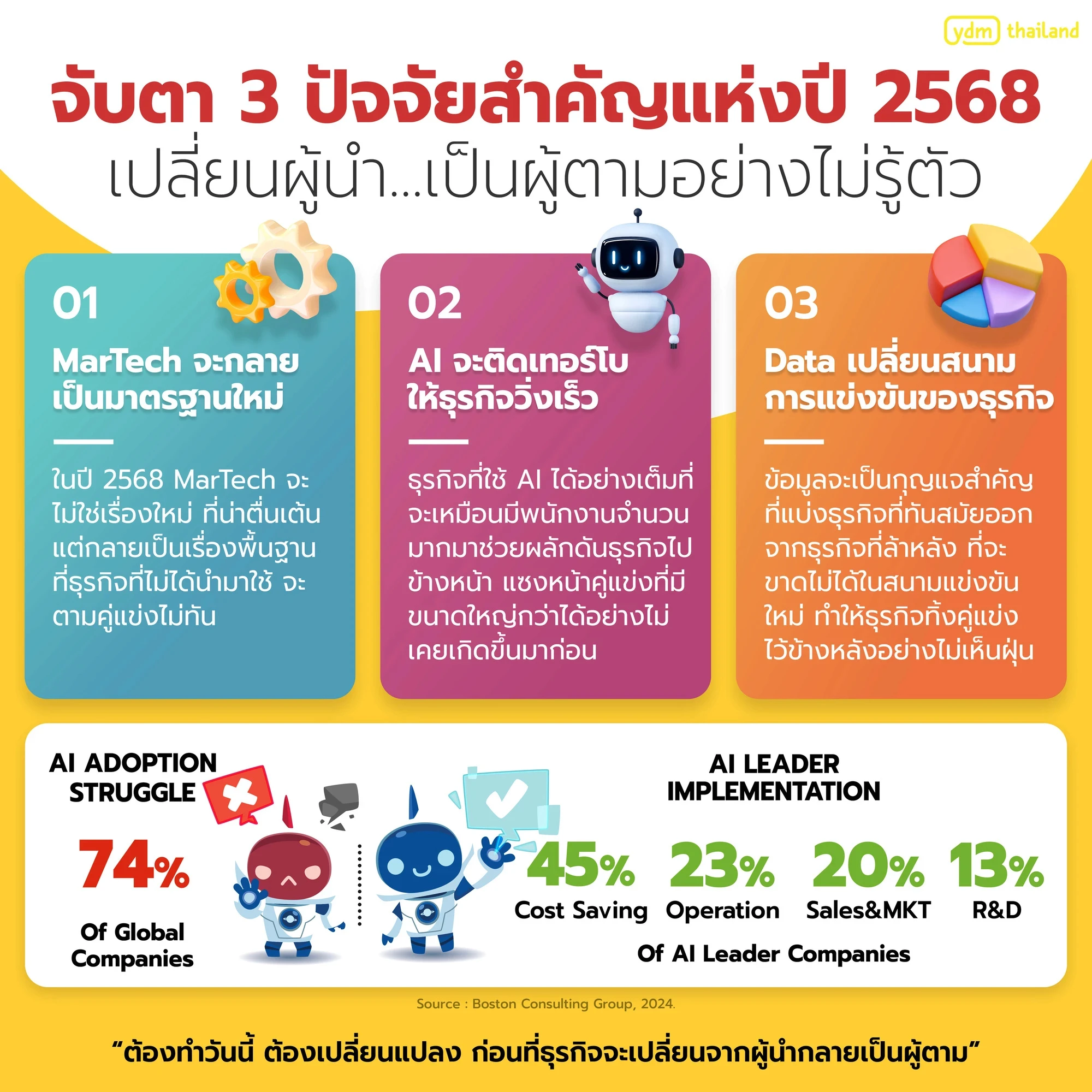
Watch Out: 3 Key Factors in 2025 That Could Turn Leaders into Followers Without Realizing It
Dec 3, 2024
{
News
}
Unlocking the Secret: 8 Keys to Creating Impactful Advertising Campaigns
Jan 15, 2025
{
News
}
YDM Makes Waves with Double Wins at Meta Awards, Reveals Key Drivers Behind Its Success
Dec 24, 2024
{
News
}
YDM Transforms the BI Landscape with Looker: Making Data “Simple” and More Effective (Looker is not Looker Studio)
Dec 17, 2024
{
News
}
Watch Out: 3 Key Factors in 2025 That Could Turn Leaders into Followers Without Realizing It
Dec 3, 2024