[
Article
]
Digital Data Analytics and Solving 5 Abnormal Symptoms in Digital Marketing
Digital Data Analytics and Solving 5 Abnormal Symptoms in Digital Marketing
By Nuttapon Jitngamphong (NUS), Digital Data Analyst Director, ADYIM
By Nuttapon Jitngamphong (NUS), Digital Data Analyst Director, ADYIM
By Nuttapon Jitngamphong (NUS), Digital Data Analyst Director, ADYIM

How many people read our article in print media? How long did they spend reading it? Were they at work or at home while reading? If these questions had been asked five years ago, data collection from those media might not have been able to answer them clearly. But today’s technology has increasingly changed consumer behavior, leading people to march steadily into the digital world.
As consumers gradually move into the digital world, their changing behavior creates enormous amounts of digital footprint data. This data has grown into an opportunity for marketers to understand consumers better than before. In the past, we never knew who read our articles, which parts they liked, or how long they spent reading. Now we can know all of that, and even collect data to predict future behavior and opportunities to purchase our products and services.
Marketers therefore use this opportunity to communicate more clearly with each group of people—for example, by grouping together those interested in the same topics so they receive the same content. This becomes segmentation, grouping people in order to present what they are interested in, and it can be further developed into automated one-to-one personalization, with the hope that these things will happen and drive business growth dramatically through Big Data!!!
So how do we begin doing Big Data in Marketing?
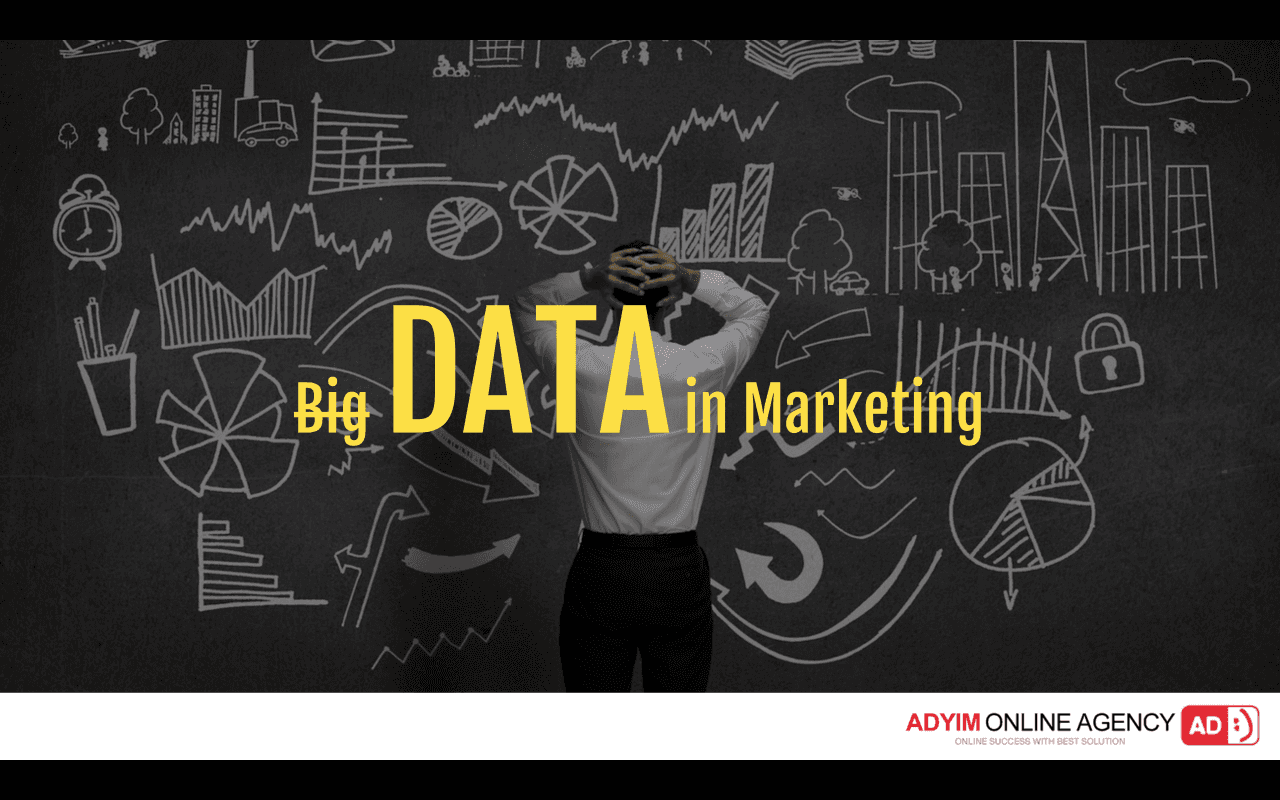
As more people see examples and approaches to using Big Data in marketing, and start to understand what the end result can achieve, they begin investing in tools, experienced people, and systems. Some invest tens of millions of baht in technology in the hope of achieving long-term business results.

But in reality, the state of the marketing data we have may not be that complete. Things may not turn out as dreamed. Big Data may not really exist yet, and what actually happens is a need to strengthen the basics and start collecting data in marketing properly.
Once we begin, we often encounter many problems and the results do not turn out as expected. For example:
1. When the campaign ends, the data ends with the campaign

Almost every company in Thailand is capable in business, but many are still relatively new to digital marketing and adapting to consumers. Most knowledge is held by internal teams or external teams hired to do the work, and these people move from company to company. Everything ends with the task or campaign. If one attempt does not work, the company changes to a new agency. If results improve, they simply learn which agency is better. In the end, the knowledge, data, and learning are left behind with the campaign, and everything starts over again. Or if all the knowledge exists, it is often kept by the agency and then taken to another client.
These problems are really process issues. Data collection and reporting are not strong enough and there is no standard, so understanding depends mainly on individual workers. When people leave, that knowledge is rarely carried forward into other work. In the end, learning is simply thrown away with the job.
2. Data is scattered everywhere, and no one knows who has what

When taking over work from another team, you may have no idea where any data is. Everything is scattered. Taking over a job feels like starting everything from zero again.
There was once a case where a client invited us to a kickoff meeting for a new project. We had the chance to sit together and prepare the work for the best results, so we requested a great deal of information, such as databases from previous campaigns and website access rights, so we could build on audience interests, improve targeting, and drive the highest sales. What happened was that we had to run around asking different people. In the end, we had to start working first. Later, when we finally received the data, it turned out just as expected—the results were harsh, and we had to readjust everything together again because everyone believed the outcome could be better.
Problems like this continue if there is no awareness of the need to store data correctly and systematically. As long as everything depends on individuals, it will be difficult to adapt and compete with changing consumer behavior.
3. There is plenty of data, but how can it be used?

When people try to collect everything possible, another problem arises. This time the issue is that everything is stored in huge quantities. Whatever is sent gets kept first, just in case. Emails are also saved together. After some time passes, when it is time to use the data, no one knows which data came from where, whether it is accurate, or what each set can actually be used for.
This problem is actually not difficult to solve if management processes are ready and there is a central system for storing data by category with proper labels. Once enough data is collected and prepared in this way, it becomes exactly the kind of data AI systems like and are ready to use for future machine learning.
4. Money disappears into media buying, and the more you buy, the more expensive it becomes

There is one interesting case involving a client I had the chance to speak with privately. He felt that digital media was the only thing where numbers were visible and optimization was possible. He could see what the spending produced and report it to his boss. But the more the challenge increased, the harder it became: he wanted to spend less and get more results, while digital media costs kept rising. Those two things moved in exactly opposite directions. Worse still, sometimes the campaigns did not seem to increase sales, while competitors, who did less, seemed to grow more and more.
In fact, if we think about what happens with consumers, this client was already doing well. But the brand voice was not strong enough. When people searched, they found only complaints on Pantip or reviews of competitor products. In other words, the brand was helping generate sales for competitors instead.
The solution to this problem is to look comprehensively across Paid, Earned, and Owned channels. Today, technology is ready and easy to use. Tracking website behavior can be done in just a few clicks. Mobile application usage data is complete and can show every click and every view in detail.
Proper tracking and management throughout the consumer journey at every touchpoint will ensure that all the effort invested does not ultimately become business development for competitors.
5. Every time we want to look at data, waiting for the summary takes too long

Sometimes, when the reporting process is weak, understanding of the data is insufficient. As more questions arise, the brand sees only one summarized dimension of the data. For example, when a campaign ends, a report is provided showing what happened. But if the brand wants to learn from the campaign, it has to call the agency in to explain. The campaign ends at the end of the month, the meeting happens two weeks later, and by the time everyone has talked and reached conclusions, another month has already passed.
This problem is really a problem of the data format being stored. When we store only summarized conclusions in a single dimension, we lose opportunities to use the data for analysis, extension, and improvement in other related areas in the future.
Whoever starts saving (data) first becomes rich faster
Beginning digital data analytics may not start with trying to install a system or bringing in someone to change the organization. It really starts with understanding the basic process and gradually adjusting step by step, like dropping coins into a piggy bank. When the capital is ready, that accumulated value can then be invested further to grow into something much larger in the future.
*All rights reserved
How many people read our article in print media? How long did they spend reading it? Were they at work or at home while reading? If these questions had been asked five years ago, data collection from those media might not have been able to answer them clearly. But today’s technology has increasingly changed consumer behavior, leading people to march steadily into the digital world.
As consumers gradually move into the digital world, their changing behavior creates enormous amounts of digital footprint data. This data has grown into an opportunity for marketers to understand consumers better than before. In the past, we never knew who read our articles, which parts they liked, or how long they spent reading. Now we can know all of that, and even collect data to predict future behavior and opportunities to purchase our products and services.
Marketers therefore use this opportunity to communicate more clearly with each group of people—for example, by grouping together those interested in the same topics so they receive the same content. This becomes segmentation, grouping people in order to present what they are interested in, and it can be further developed into automated one-to-one personalization, with the hope that these things will happen and drive business growth dramatically through Big Data!!!
So how do we begin doing Big Data in Marketing?
As more people see examples and approaches to using Big Data in marketing, and start to understand what the end result can achieve, they begin investing in tools, experienced people, and systems. Some invest tens of millions of baht in technology in the hope of achieving long-term business results.
But in reality, the state of the marketing data we have may not be that complete. Things may not turn out as dreamed. Big Data may not really exist yet, and what actually happens is a need to strengthen the basics and start collecting data in marketing properly.
Once we begin, we often encounter many problems and the results do not turn out as expected. For example:
1. When the campaign ends, the data ends with the campaign
Almost every company in Thailand is capable in business, but many are still relatively new to digital marketing and adapting to consumers. Most knowledge is held by internal teams or external teams hired to do the work, and these people move from company to company. Everything ends with the task or campaign. If one attempt does not work, the company changes to a new agency. If results improve, they simply learn which agency is better. In the end, the knowledge, data, and learning are left behind with the campaign, and everything starts over again. Or if all the knowledge exists, it is often kept by the agency and then taken to another client.
These problems are really process issues. Data collection and reporting are not strong enough and there is no standard, so understanding depends mainly on individual workers. When people leave, that knowledge is rarely carried forward into other work. In the end, learning is simply thrown away with the job.
2. Data is scattered everywhere, and no one knows who has what
When taking over work from another team, you may have no idea where any data is. Everything is scattered. Taking over a job feels like starting everything from zero again.
There was once a case where a client invited us to a kickoff meeting for a new project. We had the chance to sit together and prepare the work for the best results, so we requested a great deal of information, such as databases from previous campaigns and website access rights, so we could build on audience interests, improve targeting, and drive the highest sales. What happened was that we had to run around asking different people. In the end, we had to start working first. Later, when we finally received the data, it turned out just as expected—the results were harsh, and we had to readjust everything together again because everyone believed the outcome could be better.
Problems like this continue if there is no awareness of the need to store data correctly and systematically. As long as everything depends on individuals, it will be difficult to adapt and compete with changing consumer behavior.
3. There is plenty of data, but how can it be used?
When people try to collect everything possible, another problem arises. This time the issue is that everything is stored in huge quantities. Whatever is sent gets kept first, just in case. Emails are also saved together. After some time passes, when it is time to use the data, no one knows which data came from where, whether it is accurate, or what each set can actually be used for.
This problem is actually not difficult to solve if management processes are ready and there is a central system for storing data by category with proper labels. Once enough data is collected and prepared in this way, it becomes exactly the kind of data AI systems like and are ready to use for future machine learning.
4. Money disappears into media buying, and the more you buy, the more expensive it becomes
There is one interesting case involving a client I had the chance to speak with privately. He felt that digital media was the only thing where numbers were visible and optimization was possible. He could see what the spending produced and report it to his boss. But the more the challenge increased, the harder it became: he wanted to spend less and get more results, while digital media costs kept rising. Those two things moved in exactly opposite directions. Worse still, sometimes the campaigns did not seem to increase sales, while competitors, who did less, seemed to grow more and more.
In fact, if we think about what happens with consumers, this client was already doing well. But the brand voice was not strong enough. When people searched, they found only complaints on Pantip or reviews of competitor products. In other words, the brand was helping generate sales for competitors instead.
The solution to this problem is to look comprehensively across Paid, Earned, and Owned channels. Today, technology is ready and easy to use. Tracking website behavior can be done in just a few clicks. Mobile application usage data is complete and can show every click and every view in detail.
Proper tracking and management throughout the consumer journey at every touchpoint will ensure that all the effort invested does not ultimately become business development for competitors.
5. Every time we want to look at data, waiting for the summary takes too long
Sometimes, when the reporting process is weak, understanding of the data is insufficient. As more questions arise, the brand sees only one summarized dimension of the data. For example, when a campaign ends, a report is provided showing what happened. But if the brand wants to learn from the campaign, it has to call the agency in to explain. The campaign ends at the end of the month, the meeting happens two weeks later, and by the time everyone has talked and reached conclusions, another month has already passed.
This problem is really a problem of the data format being stored. When we store only summarized conclusions in a single dimension, we lose opportunities to use the data for analysis, extension, and improvement in other related areas in the future.
Whoever starts saving (data) first becomes rich faster
Beginning digital data analytics may not start with trying to install a system or bringing in someone to change the organization. It really starts with understanding the basic process and gradually adjusting step by step, like dropping coins into a piggy bank. When the capital is ready, that accumulated value can then be invested further to grow into something much larger in the future.
*All rights reserved
How many people read our article in print media? How long did they spend reading it? Were they at work or at home while reading? If these questions had been asked five years ago, data collection from those media might not have been able to answer them clearly. But today’s technology has increasingly changed consumer behavior, leading people to march steadily into the digital world.
As consumers gradually move into the digital world, their changing behavior creates enormous amounts of digital footprint data. This data has grown into an opportunity for marketers to understand consumers better than before. In the past, we never knew who read our articles, which parts they liked, or how long they spent reading. Now we can know all of that, and even collect data to predict future behavior and opportunities to purchase our products and services.
Marketers therefore use this opportunity to communicate more clearly with each group of people—for example, by grouping together those interested in the same topics so they receive the same content. This becomes segmentation, grouping people in order to present what they are interested in, and it can be further developed into automated one-to-one personalization, with the hope that these things will happen and drive business growth dramatically through Big Data!!!
So how do we begin doing Big Data in Marketing?
As more people see examples and approaches to using Big Data in marketing, and start to understand what the end result can achieve, they begin investing in tools, experienced people, and systems. Some invest tens of millions of baht in technology in the hope of achieving long-term business results.
But in reality, the state of the marketing data we have may not be that complete. Things may not turn out as dreamed. Big Data may not really exist yet, and what actually happens is a need to strengthen the basics and start collecting data in marketing properly.
Once we begin, we often encounter many problems and the results do not turn out as expected. For example:
1. When the campaign ends, the data ends with the campaign
Almost every company in Thailand is capable in business, but many are still relatively new to digital marketing and adapting to consumers. Most knowledge is held by internal teams or external teams hired to do the work, and these people move from company to company. Everything ends with the task or campaign. If one attempt does not work, the company changes to a new agency. If results improve, they simply learn which agency is better. In the end, the knowledge, data, and learning are left behind with the campaign, and everything starts over again. Or if all the knowledge exists, it is often kept by the agency and then taken to another client.
These problems are really process issues. Data collection and reporting are not strong enough and there is no standard, so understanding depends mainly on individual workers. When people leave, that knowledge is rarely carried forward into other work. In the end, learning is simply thrown away with the job.
2. Data is scattered everywhere, and no one knows who has what
When taking over work from another team, you may have no idea where any data is. Everything is scattered. Taking over a job feels like starting everything from zero again.
There was once a case where a client invited us to a kickoff meeting for a new project. We had the chance to sit together and prepare the work for the best results, so we requested a great deal of information, such as databases from previous campaigns and website access rights, so we could build on audience interests, improve targeting, and drive the highest sales. What happened was that we had to run around asking different people. In the end, we had to start working first. Later, when we finally received the data, it turned out just as expected—the results were harsh, and we had to readjust everything together again because everyone believed the outcome could be better.
Problems like this continue if there is no awareness of the need to store data correctly and systematically. As long as everything depends on individuals, it will be difficult to adapt and compete with changing consumer behavior.
3. There is plenty of data, but how can it be used?
When people try to collect everything possible, another problem arises. This time the issue is that everything is stored in huge quantities. Whatever is sent gets kept first, just in case. Emails are also saved together. After some time passes, when it is time to use the data, no one knows which data came from where, whether it is accurate, or what each set can actually be used for.
This problem is actually not difficult to solve if management processes are ready and there is a central system for storing data by category with proper labels. Once enough data is collected and prepared in this way, it becomes exactly the kind of data AI systems like and are ready to use for future machine learning.
4. Money disappears into media buying, and the more you buy, the more expensive it becomes
There is one interesting case involving a client I had the chance to speak with privately. He felt that digital media was the only thing where numbers were visible and optimization was possible. He could see what the spending produced and report it to his boss. But the more the challenge increased, the harder it became: he wanted to spend less and get more results, while digital media costs kept rising. Those two things moved in exactly opposite directions. Worse still, sometimes the campaigns did not seem to increase sales, while competitors, who did less, seemed to grow more and more.
In fact, if we think about what happens with consumers, this client was already doing well. But the brand voice was not strong enough. When people searched, they found only complaints on Pantip or reviews of competitor products. In other words, the brand was helping generate sales for competitors instead.
The solution to this problem is to look comprehensively across Paid, Earned, and Owned channels. Today, technology is ready and easy to use. Tracking website behavior can be done in just a few clicks. Mobile application usage data is complete and can show every click and every view in detail.
Proper tracking and management throughout the consumer journey at every touchpoint will ensure that all the effort invested does not ultimately become business development for competitors.
5. Every time we want to look at data, waiting for the summary takes too long
Sometimes, when the reporting process is weak, understanding of the data is insufficient. As more questions arise, the brand sees only one summarized dimension of the data. For example, when a campaign ends, a report is provided showing what happened. But if the brand wants to learn from the campaign, it has to call the agency in to explain. The campaign ends at the end of the month, the meeting happens two weeks later, and by the time everyone has talked and reached conclusions, another month has already passed.
This problem is really a problem of the data format being stored. When we store only summarized conclusions in a single dimension, we lose opportunities to use the data for analysis, extension, and improvement in other related areas in the future.
Whoever starts saving (data) first becomes rich faster
Beginning digital data analytics may not start with trying to install a system or bringing in someone to change the organization. It really starts with understanding the basic process and gradually adjusting step by step, like dropping coins into a piggy bank. When the capital is ready, that accumulated value can then be invested further to grow into something much larger in the future.
*All rights reserved
[
Connect
]
How can we help you innovate?
Drop us a line.
Get in
touch
[
Connect
]
How can we help you innovate?
Drop us a line.
Get in
touch
[
Connect
]
How can we help you innovate?
Drop us a line.
Get in
touch
Related
Movements.

{
News
}
Unlocking the Secret: 8 Keys to Creating Impactful Advertising Campaigns
Jan 15, 2025
{
News
}
Unlocking the Secret: 8 Keys to Creating Impactful Advertising Campaigns
Jan 15, 2025

{
News
}
YDM Makes Waves with Double Wins at Meta Awards, Reveals Key Drivers Behind Its Success
Dec 24, 2024
{
News
}
YDM Makes Waves with Double Wins at Meta Awards, Reveals Key Drivers Behind Its Success
Dec 24, 2024
{
News
}
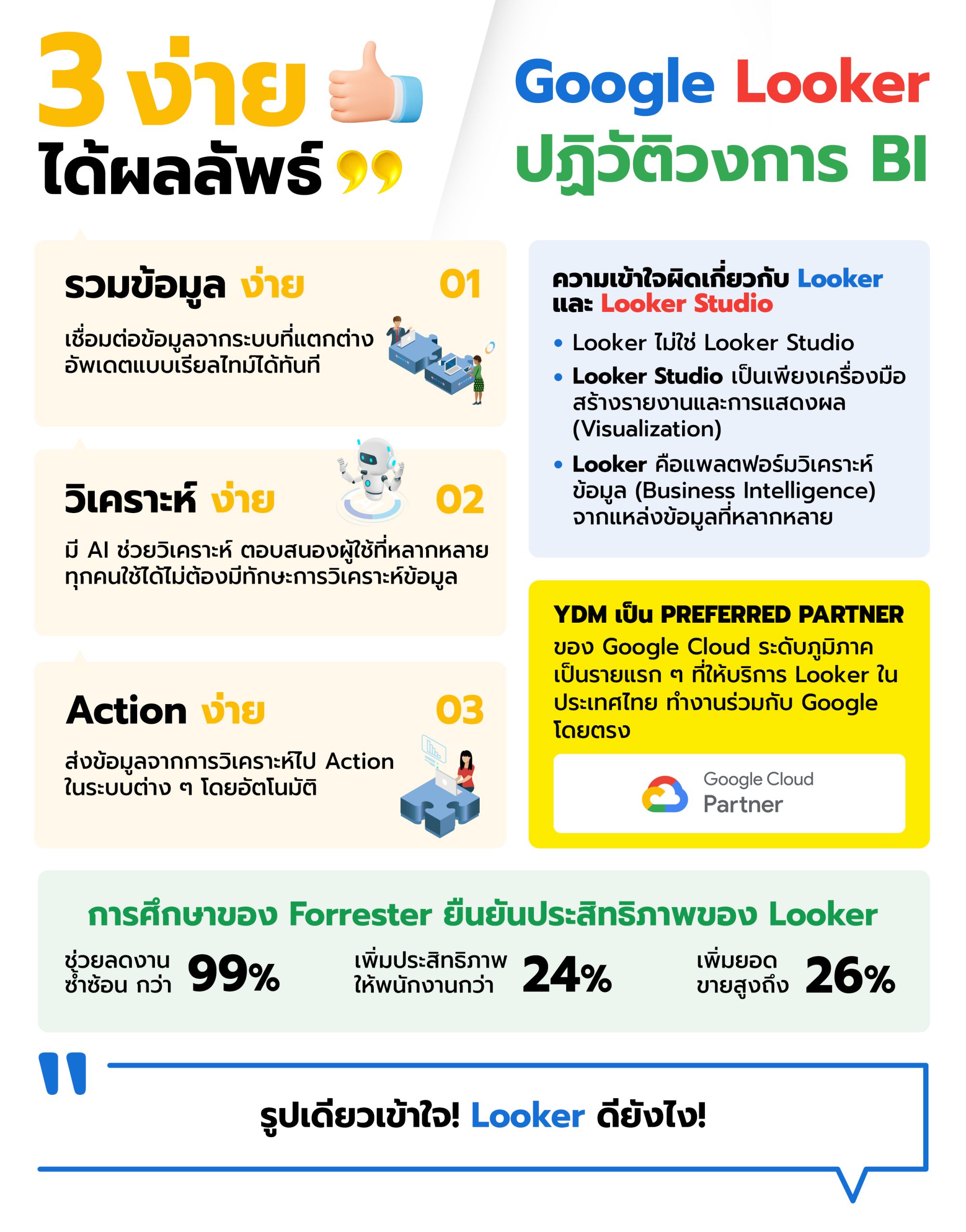
YDM Transforms the BI Landscape with Looker: Making Data “Simple” and More Effective (Looker is not Looker Studio)
Dec 17, 2024
{
News
}
YDM Transforms the BI Landscape with Looker: Making Data “Simple” and More Effective (Looker is not Looker Studio)
Dec 17, 2024
{
News
}
Unlocking the Secret: 8 Keys to Creating Impactful Advertising Campaigns
Jan 15, 2025
{
News
}
YDM Makes Waves with Double Wins at Meta Awards, Reveals Key Drivers Behind Its Success
Dec 24, 2024
{
News
}
YDM Transforms the BI Landscape with Looker: Making Data “Simple” and More Effective (Looker is not Looker Studio)
Dec 17, 2024
{
News
}
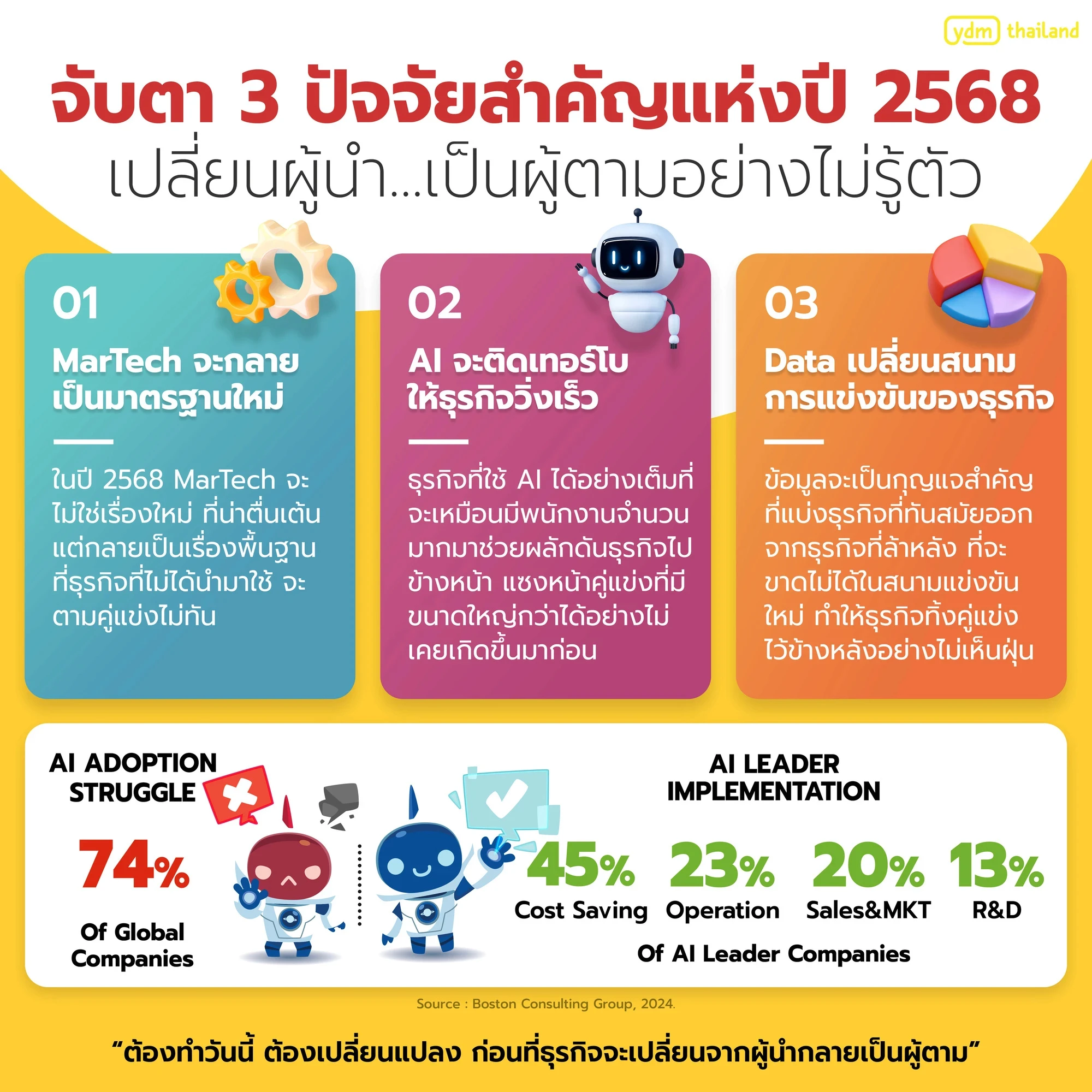
Watch Out: 3 Key Factors in 2025 That Could Turn Leaders into Followers Without Realizing It
Dec 3, 2024
{
News
}
Unlocking the Secret: 8 Keys to Creating Impactful Advertising Campaigns
Jan 15, 2025
{
News
}
YDM Makes Waves with Double Wins at Meta Awards, Reveals Key Drivers Behind Its Success
Dec 24, 2024
{
News
}
YDM Transforms the BI Landscape with Looker: Making Data “Simple” and More Effective (Looker is not Looker Studio)
Dec 17, 2024
{
News
}
Watch Out: 3 Key Factors in 2025 That Could Turn Leaders into Followers Without Realizing It
Dec 3, 2024