[
Article
]
Remote Office: We Are Approaching an Era When We Can Work from Anywhere
Remote Office: We Are Approaching an Era When We Can Work from Anywhere
By Tanapon Subsomboon, Chief Executive Officer, YDM Thailand
By Tanapon Subsomboon, Chief Executive Officer, YDM Thailand
By Tanapon Subsomboon, Chief Executive Officer, YDM Thailand

Last month was a rush period for our Doer team as we delivered work to clients. We sent assignments to freelance juniors, reviewed the comments on the work they returned, and helped clean up their work in urgent revision cases. So, near a major deadline, the team had to work quite hard. One team member became ill, hurt her foot, and could not walk or drive to the office. I therefore let her work from home and tried using an available MacBook, connected to speakers and a monitor, and used Skype to share screens and talk as if she were sitting in the office with us.
The result was that she was able to work with the team very well. There were no problems at all. It felt like normal work, and it even made the atmosphere more enjoyable. That made me suddenly think:
"We have reached the point where we can work from anywhere, haven’t we?"
Working in a remote office means people do not have to wake up early, fight traffic to arrive on time, and then travel home in the evening—wasting time, harming health, and draining energy every day. All they need to do is turn on the computer and they can start working with the team immediately. For the company, when fewer employees need to be physically present, it helps reduce office space, electricity, parking, and many other costs as well. In fact, we may already be doing some version of this, such as hiring outsourced people for certain projects or having sales staff who do not need to come in as long as they deliver sales.
Letting people work from home will not work with Thai habits because people lack discipline, right?
We cannot generalize that all Thai people lack discipline. I have met many younger people who are enthusiastic and highly professional, who take responsibility and keep their word very well. Working in the office does not necessarily make people work as fully as we want. They may arrive on time, but spend time chatting with colleagues, talking about celebrities, using Facebook, secretly playing games, picking vegetables in games, or walking off to make coffee. Whether someone works in the office or from home, what a manager should evaluate is the output—the work assigned and the work delivered back within a reasonable time. Truly capable people do not need to sit diligently at a desk all day. Good people can manage their own time and complete what has been assigned without someone constantly controlling them. If someone cannot work to the standard we need, then not only should they not work remotely—we probably should not hire them at all.

But if we need to discuss work or hold meetings, would that not be difficult?
Most good ideas do not emerge in a meeting room. They arise when we talk, travel, go out, or do other activities. Meetings that include people joining remotely can actually make the atmosphere more serious, clear, and efficient. Today there are many free software tools that make meetings easy and clear, as well as high-speed internet that can transmit images and sound quickly. From now on, meetings no longer require everyone to travel into one big room. It reminds me of the S.H.I.E.L.D. meeting scene in Captain America 2, with chairs projecting holograms of council members so they could meet as if they were in the same room. Meeting with people who are far away is actually quite exciting.

Which companies allow remote office work?
IBM was one of the first organizations to allow employees to work from home, doing so since the 1980s in order to create flexibility for employees living far from company offices. Data from 2009 indicated that as many as 40% of its 380,000 employees primarily worked from home, which helped the company greatly reduce office rental costs. The website www.flexjobs.com lists more than 30,000 jobs from over 4,000 companies in the United States—both large and small—that allow employees to work from home. The latest news I have seen is that the company behind WordPress.com closed its office because all of its employees were working from home.

Like any model, remote office work has disadvantages too. One drawback is that people may work too much because there is no clear separation between work time and personal time. Some may finish work but still cannot resist opening the computer, checking messages, and accidentally continuing to work late. Another issue is that being alone too much may lead to loneliness, depression, alienation, and isolation, because human beings still need communication and social interaction. It is good to arrange gatherings sometimes, or set certain days to come into the office. There is no need to be extreme.
A future in which everyone can work remotely, from anywhere
The company Doer was founded not only as a platform for software development that manages projects systematically and with high quality by bringing freelancers together, but also with the goal of building platforms for other professions as well. We want people in every profession to be able to do the work they love from anywhere, while making freelance hiring standardized and trustworthy. With technology continuing to advance, I believe that before long, anyone in the world will be able to work from anywhere, as long as there is internet access.
Last month was a rush period for our Doer team as we delivered work to clients. We sent assignments to freelance juniors, reviewed the comments on the work they returned, and helped clean up their work in urgent revision cases. So, near a major deadline, the team had to work quite hard. One team member became ill, hurt her foot, and could not walk or drive to the office. I therefore let her work from home and tried using an available MacBook, connected to speakers and a monitor, and used Skype to share screens and talk as if she were sitting in the office with us.
The result was that she was able to work with the team very well. There were no problems at all. It felt like normal work, and it even made the atmosphere more enjoyable. That made me suddenly think:
"We have reached the point where we can work from anywhere, haven’t we?"
Working in a remote office means people do not have to wake up early, fight traffic to arrive on time, and then travel home in the evening—wasting time, harming health, and draining energy every day. All they need to do is turn on the computer and they can start working with the team immediately. For the company, when fewer employees need to be physically present, it helps reduce office space, electricity, parking, and many other costs as well. In fact, we may already be doing some version of this, such as hiring outsourced people for certain projects or having sales staff who do not need to come in as long as they deliver sales.
Letting people work from home will not work with Thai habits because people lack discipline, right?
We cannot generalize that all Thai people lack discipline. I have met many younger people who are enthusiastic and highly professional, who take responsibility and keep their word very well. Working in the office does not necessarily make people work as fully as we want. They may arrive on time, but spend time chatting with colleagues, talking about celebrities, using Facebook, secretly playing games, picking vegetables in games, or walking off to make coffee. Whether someone works in the office or from home, what a manager should evaluate is the output—the work assigned and the work delivered back within a reasonable time. Truly capable people do not need to sit diligently at a desk all day. Good people can manage their own time and complete what has been assigned without someone constantly controlling them. If someone cannot work to the standard we need, then not only should they not work remotely—we probably should not hire them at all.
But if we need to discuss work or hold meetings, would that not be difficult?
Most good ideas do not emerge in a meeting room. They arise when we talk, travel, go out, or do other activities. Meetings that include people joining remotely can actually make the atmosphere more serious, clear, and efficient. Today there are many free software tools that make meetings easy and clear, as well as high-speed internet that can transmit images and sound quickly. From now on, meetings no longer require everyone to travel into one big room. It reminds me of the S.H.I.E.L.D. meeting scene in Captain America 2, with chairs projecting holograms of council members so they could meet as if they were in the same room. Meeting with people who are far away is actually quite exciting.
Which companies allow remote office work?
IBM was one of the first organizations to allow employees to work from home, doing so since the 1980s in order to create flexibility for employees living far from company offices. Data from 2009 indicated that as many as 40% of its 380,000 employees primarily worked from home, which helped the company greatly reduce office rental costs. The website www.flexjobs.com lists more than 30,000 jobs from over 4,000 companies in the United States—both large and small—that allow employees to work from home. The latest news I have seen is that the company behind WordPress.com closed its office because all of its employees were working from home.
Like any model, remote office work has disadvantages too. One drawback is that people may work too much because there is no clear separation between work time and personal time. Some may finish work but still cannot resist opening the computer, checking messages, and accidentally continuing to work late. Another issue is that being alone too much may lead to loneliness, depression, alienation, and isolation, because human beings still need communication and social interaction. It is good to arrange gatherings sometimes, or set certain days to come into the office. There is no need to be extreme.
A future in which everyone can work remotely, from anywhere
The company Doer was founded not only as a platform for software development that manages projects systematically and with high quality by bringing freelancers together, but also with the goal of building platforms for other professions as well. We want people in every profession to be able to do the work they love from anywhere, while making freelance hiring standardized and trustworthy. With technology continuing to advance, I believe that before long, anyone in the world will be able to work from anywhere, as long as there is internet access.
Last month was a rush period for our Doer team as we delivered work to clients. We sent assignments to freelance juniors, reviewed the comments on the work they returned, and helped clean up their work in urgent revision cases. So, near a major deadline, the team had to work quite hard. One team member became ill, hurt her foot, and could not walk or drive to the office. I therefore let her work from home and tried using an available MacBook, connected to speakers and a monitor, and used Skype to share screens and talk as if she were sitting in the office with us.
The result was that she was able to work with the team very well. There were no problems at all. It felt like normal work, and it even made the atmosphere more enjoyable. That made me suddenly think:
"We have reached the point where we can work from anywhere, haven’t we?"
Working in a remote office means people do not have to wake up early, fight traffic to arrive on time, and then travel home in the evening—wasting time, harming health, and draining energy every day. All they need to do is turn on the computer and they can start working with the team immediately. For the company, when fewer employees need to be physically present, it helps reduce office space, electricity, parking, and many other costs as well. In fact, we may already be doing some version of this, such as hiring outsourced people for certain projects or having sales staff who do not need to come in as long as they deliver sales.
Letting people work from home will not work with Thai habits because people lack discipline, right?
We cannot generalize that all Thai people lack discipline. I have met many younger people who are enthusiastic and highly professional, who take responsibility and keep their word very well. Working in the office does not necessarily make people work as fully as we want. They may arrive on time, but spend time chatting with colleagues, talking about celebrities, using Facebook, secretly playing games, picking vegetables in games, or walking off to make coffee. Whether someone works in the office or from home, what a manager should evaluate is the output—the work assigned and the work delivered back within a reasonable time. Truly capable people do not need to sit diligently at a desk all day. Good people can manage their own time and complete what has been assigned without someone constantly controlling them. If someone cannot work to the standard we need, then not only should they not work remotely—we probably should not hire them at all.
But if we need to discuss work or hold meetings, would that not be difficult?
Most good ideas do not emerge in a meeting room. They arise when we talk, travel, go out, or do other activities. Meetings that include people joining remotely can actually make the atmosphere more serious, clear, and efficient. Today there are many free software tools that make meetings easy and clear, as well as high-speed internet that can transmit images and sound quickly. From now on, meetings no longer require everyone to travel into one big room. It reminds me of the S.H.I.E.L.D. meeting scene in Captain America 2, with chairs projecting holograms of council members so they could meet as if they were in the same room. Meeting with people who are far away is actually quite exciting.
Which companies allow remote office work?
IBM was one of the first organizations to allow employees to work from home, doing so since the 1980s in order to create flexibility for employees living far from company offices. Data from 2009 indicated that as many as 40% of its 380,000 employees primarily worked from home, which helped the company greatly reduce office rental costs. The website www.flexjobs.com lists more than 30,000 jobs from over 4,000 companies in the United States—both large and small—that allow employees to work from home. The latest news I have seen is that the company behind WordPress.com closed its office because all of its employees were working from home.
Like any model, remote office work has disadvantages too. One drawback is that people may work too much because there is no clear separation between work time and personal time. Some may finish work but still cannot resist opening the computer, checking messages, and accidentally continuing to work late. Another issue is that being alone too much may lead to loneliness, depression, alienation, and isolation, because human beings still need communication and social interaction. It is good to arrange gatherings sometimes, or set certain days to come into the office. There is no need to be extreme.
A future in which everyone can work remotely, from anywhere
The company Doer was founded not only as a platform for software development that manages projects systematically and with high quality by bringing freelancers together, but also with the goal of building platforms for other professions as well. We want people in every profession to be able to do the work they love from anywhere, while making freelance hiring standardized and trustworthy. With technology continuing to advance, I believe that before long, anyone in the world will be able to work from anywhere, as long as there is internet access.
[
Connect
]
How can we help you innovate?
Drop us a line.
Get in
touch
[
Connect
]
How can we help you innovate?
Drop us a line.
Get in
touch
[
Connect
]
How can we help you innovate?
Drop us a line.
Get in
touch
Related
Movements.

{
News
}
Unlocking the Secret: 8 Keys to Creating Impactful Advertising Campaigns
Jan 15, 2025
{
News
}
Unlocking the Secret: 8 Keys to Creating Impactful Advertising Campaigns
Jan 15, 2025

{
News
}
YDM Makes Waves with Double Wins at Meta Awards, Reveals Key Drivers Behind Its Success
Dec 24, 2024
{
News
}
YDM Makes Waves with Double Wins at Meta Awards, Reveals Key Drivers Behind Its Success
Dec 24, 2024
{
News
}
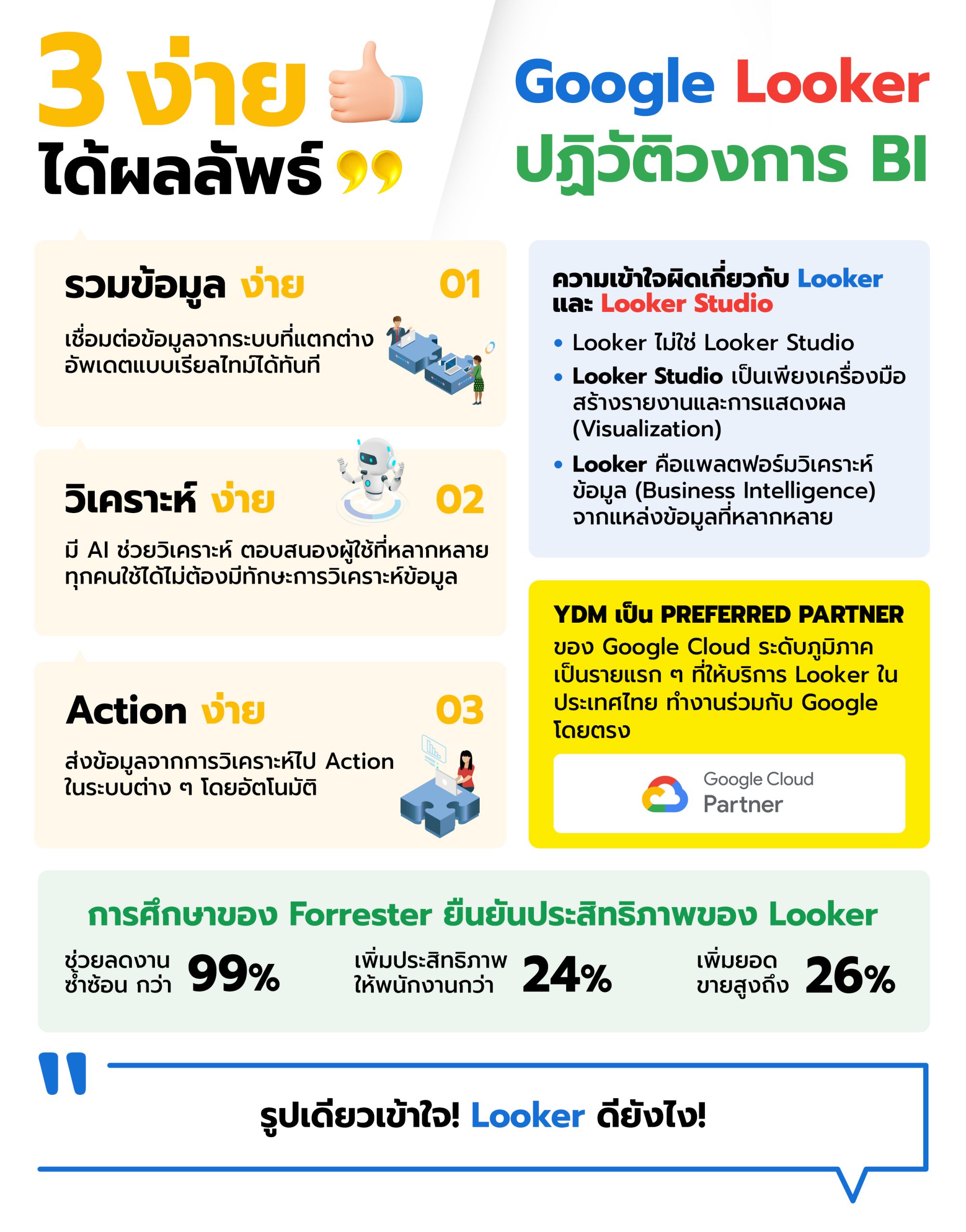
YDM Transforms the BI Landscape with Looker: Making Data “Simple” and More Effective (Looker is not Looker Studio)
Dec 17, 2024
{
News
}
YDM Transforms the BI Landscape with Looker: Making Data “Simple” and More Effective (Looker is not Looker Studio)
Dec 17, 2024
{
News
}
Unlocking the Secret: 8 Keys to Creating Impactful Advertising Campaigns
Jan 15, 2025
{
News
}
YDM Makes Waves with Double Wins at Meta Awards, Reveals Key Drivers Behind Its Success
Dec 24, 2024
{
News
}
YDM Transforms the BI Landscape with Looker: Making Data “Simple” and More Effective (Looker is not Looker Studio)
Dec 17, 2024
{
News
}
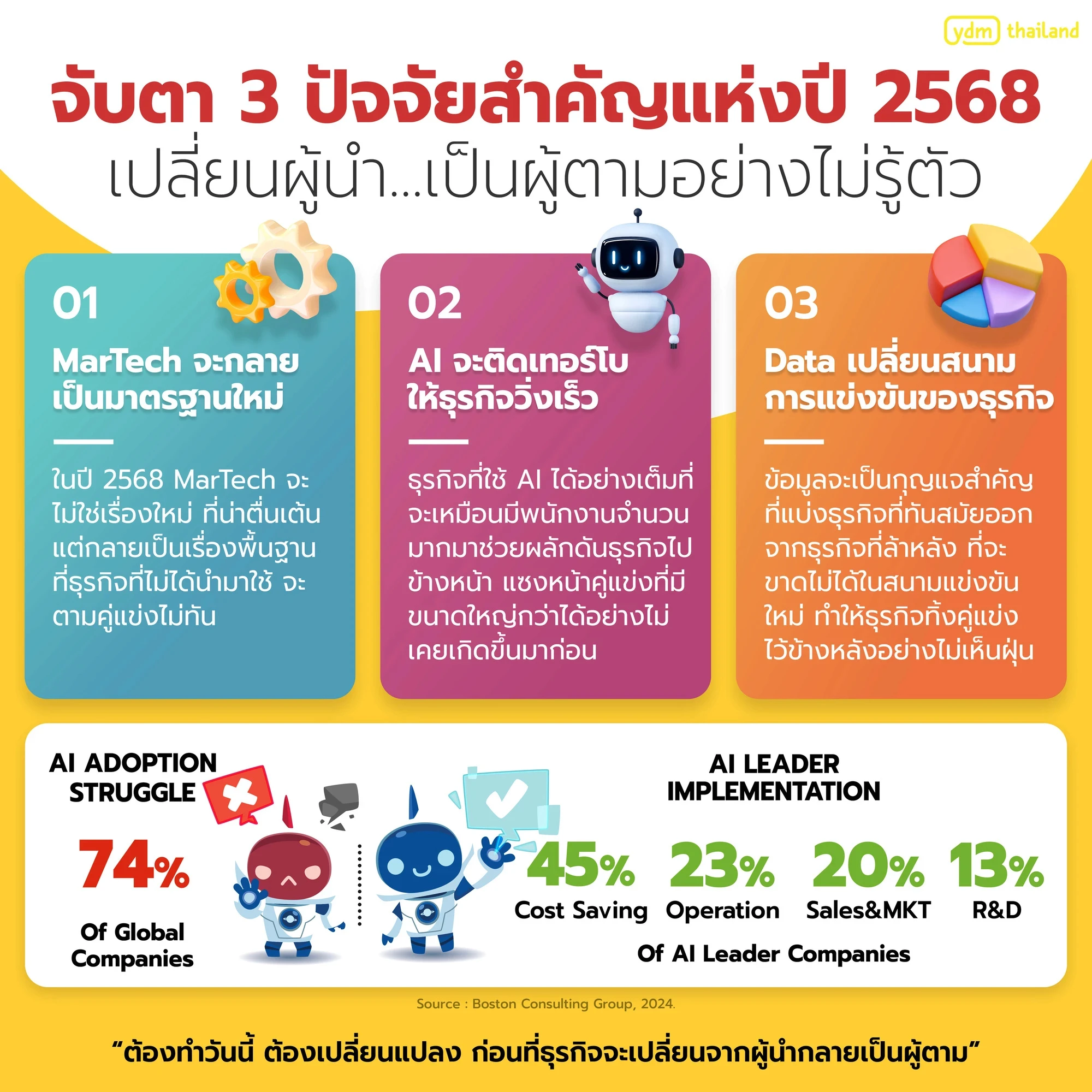
Watch Out: 3 Key Factors in 2025 That Could Turn Leaders into Followers Without Realizing It
Dec 3, 2024
{
News
}
Unlocking the Secret: 8 Keys to Creating Impactful Advertising Campaigns
Jan 15, 2025
{
News
}
YDM Makes Waves with Double Wins at Meta Awards, Reveals Key Drivers Behind Its Success
Dec 24, 2024
{
News
}
YDM Transforms the BI Landscape with Looker: Making Data “Simple” and More Effective (Looker is not Looker Studio)
Dec 17, 2024
{
News
}
Watch Out: 3 Key Factors in 2025 That Could Turn Leaders into Followers Without Realizing It
Dec 3, 2024