[
News
]
YDM reveals key success factors through a real estate case that sold out an entire project within 4 months using a Data Marketing formula
YDM reveals key success factors through a real estate case that sold out an entire project within 4 months using a Data Marketing formula
By YDM
By YDM
By YDM

YDM has revealed three key success factors and techniques for driving brands on today’s marketing battlefield, showcasing a real estate case in which a project that had been stuck with unsold inventory for two years amid a slowing market was completely sold out within four months using the same marketing budget. The solution came from reorganizing data, combining with a Data Partner, increasing leads by five times at a lead cost six times lower, and driving project visits up by four times. The company is now moving aggressively into the insurance, banking, finance, automotive, and retail sectors, with the goal of helping businesses across many industries successfully transform.

Mr. Tanapon Subsomboon, Chief Executive Officer of YDM (Thailand) Co., Ltd., said that today marketers and brands place great importance on marketing that delivers measurable sales results with the same budget or even with reduced marketing budgets, amid intense competition and increasingly complex, rapidly changing consumer behavior. Achieving the desired sales outcomes requires data marketing techniques, which can be summarized into three key success factors: 1) continuously searching for new targets rather than sticking only to the original target, including finding Data Partners to use data in reaching new target groups; 2) selecting high-potential target groups and developing creative work specifically for those groups, or customized creative that better matches their needs; and 3) implementing proper tracking across marketing channels on a Customer Data Platform (CDP), enabling campaign optimization to increase sales according to targets. These three success factors can be applied to a wide range of industries today, such as insurance, automotive, finance, banking, hospitals, and e-commerce.
Most recently, YDM applied these three key success factors to a condominium brand that had launched two years earlier but still had not sold out, due to factors such as a less favorable location, not being near mass transit, new competing projects nearby with seemingly more attractive prices, and limited marketing budget. At the same time, the overall real estate market has been facing a supply-demand mismatch, with large inventories of unsold low-rise housing and condominiums in Bangkok and surrounding areas, continuous new project launches, fragile consumer purchasing power, rising interest rates, and stricter lending by financial institutions.
YDM used a sales-driving strategy to revive the condominium business through four main steps:

1. Discovery (research and fact-finding) to identify the real problems, including previous marketing efforts, performance statistics of past creative work, customer profiles, data from the sales team, and even posing as customers to make contact and visit the condominium personally in order to understand consumer problems and needs. From this investigation, the team found that past marketing had relied mainly on Facebook and Google Search advertising using lead acquisition techniques, targeting consumers interested in condominiums around the project. KOL reviews had been used during the launch period, and telesales focused on arranging visits from leads generated through various marketing channels. However, the team found that more than half of the lead data could not be used further. Most importantly, it was impossible to determine which channels the leads had come from. In addition, past CTR and conversion rate figures were all below standard.
2. Analysis identified two major problems from the study above. First, marketing had remained attached to the same old format and methods, with no experimentation to find new consumer groups, relying only on the same target groups used for other real estate projects. The same creative advertising work had also been used continuously for the full two years since the project launch, while competitors kept moving and adapting. Another major problem was that the brand had a large dataset that could not be meaningfully analyzed at all because tracking implementation had been incorrect from the beginning.

3. Customization & Implementation began with rebuilding the entire digital marketing tracking setup. A Mini CDP system was installed to collect customer behavioral data from every source and every marketing channel, with an initial focus on media use cases so that media performance could be measured at the levels of target, creative, and channel. This was followed by redesigning all creative work and producing multiple creative versions for A/B testing. Consumer insights from the sales team were then used to redesign banners and landing pages, with clearer selling points. New target groups were also defined, such as families and people working at well-known large companies nearby, and the geographic radius was expanded so that digital media could reach more widely. The sales team was also trained in message response to generate more project visits and greater opportunities to close sales.
4. Review & Improve: After the marketing plan had been in place for a while, the team began tuning it to achieve the target results. In the early stage, the cost per lead rose to twice the previous level, but once tracking was implemented correctly, the team could clearly see the problems. Ineffective ads could easily be turned off while only the effective ones were kept. The team also became confident in testing new messaging based on the numbers shown in the system, causing the cost per lead to decrease continuously while the number of leads sent to the sales team kept increasing. In addition, the strategy of broadening the customer base revealed a new segment—employees at a large company located not far from the project—who showed clear interest in the condominium. The team therefore helped the brand find a Data Partner to obtain data on people working at that company for media use, and after implementation it was not long before leads increased and condominium sales improved from this new target group.
YDM has revealed three key success factors and techniques for driving brands on today’s marketing battlefield, showcasing a real estate case in which a project that had been stuck with unsold inventory for two years amid a slowing market was completely sold out within four months using the same marketing budget. The solution came from reorganizing data, combining with a Data Partner, increasing leads by five times at a lead cost six times lower, and driving project visits up by four times. The company is now moving aggressively into the insurance, banking, finance, automotive, and retail sectors, with the goal of helping businesses across many industries successfully transform.
Mr. Tanapon Subsomboon, Chief Executive Officer of YDM (Thailand) Co., Ltd., said that today marketers and brands place great importance on marketing that delivers measurable sales results with the same budget or even with reduced marketing budgets, amid intense competition and increasingly complex, rapidly changing consumer behavior. Achieving the desired sales outcomes requires data marketing techniques, which can be summarized into three key success factors: 1) continuously searching for new targets rather than sticking only to the original target, including finding Data Partners to use data in reaching new target groups; 2) selecting high-potential target groups and developing creative work specifically for those groups, or customized creative that better matches their needs; and 3) implementing proper tracking across marketing channels on a Customer Data Platform (CDP), enabling campaign optimization to increase sales according to targets. These three success factors can be applied to a wide range of industries today, such as insurance, automotive, finance, banking, hospitals, and e-commerce.
Most recently, YDM applied these three key success factors to a condominium brand that had launched two years earlier but still had not sold out, due to factors such as a less favorable location, not being near mass transit, new competing projects nearby with seemingly more attractive prices, and limited marketing budget. At the same time, the overall real estate market has been facing a supply-demand mismatch, with large inventories of unsold low-rise housing and condominiums in Bangkok and surrounding areas, continuous new project launches, fragile consumer purchasing power, rising interest rates, and stricter lending by financial institutions.
YDM used a sales-driving strategy to revive the condominium business through four main steps:
1. Discovery (research and fact-finding) to identify the real problems, including previous marketing efforts, performance statistics of past creative work, customer profiles, data from the sales team, and even posing as customers to make contact and visit the condominium personally in order to understand consumer problems and needs. From this investigation, the team found that past marketing had relied mainly on Facebook and Google Search advertising using lead acquisition techniques, targeting consumers interested in condominiums around the project. KOL reviews had been used during the launch period, and telesales focused on arranging visits from leads generated through various marketing channels. However, the team found that more than half of the lead data could not be used further. Most importantly, it was impossible to determine which channels the leads had come from. In addition, past CTR and conversion rate figures were all below standard.
2. Analysis identified two major problems from the study above. First, marketing had remained attached to the same old format and methods, with no experimentation to find new consumer groups, relying only on the same target groups used for other real estate projects. The same creative advertising work had also been used continuously for the full two years since the project launch, while competitors kept moving and adapting. Another major problem was that the brand had a large dataset that could not be meaningfully analyzed at all because tracking implementation had been incorrect from the beginning.
3. Customization & Implementation began with rebuilding the entire digital marketing tracking setup. A Mini CDP system was installed to collect customer behavioral data from every source and every marketing channel, with an initial focus on media use cases so that media performance could be measured at the levels of target, creative, and channel. This was followed by redesigning all creative work and producing multiple creative versions for A/B testing. Consumer insights from the sales team were then used to redesign banners and landing pages, with clearer selling points. New target groups were also defined, such as families and people working at well-known large companies nearby, and the geographic radius was expanded so that digital media could reach more widely. The sales team was also trained in message response to generate more project visits and greater opportunities to close sales.
4. Review & Improve: After the marketing plan had been in place for a while, the team began tuning it to achieve the target results. In the early stage, the cost per lead rose to twice the previous level, but once tracking was implemented correctly, the team could clearly see the problems. Ineffective ads could easily be turned off while only the effective ones were kept. The team also became confident in testing new messaging based on the numbers shown in the system, causing the cost per lead to decrease continuously while the number of leads sent to the sales team kept increasing. In addition, the strategy of broadening the customer base revealed a new segment—employees at a large company located not far from the project—who showed clear interest in the condominium. The team therefore helped the brand find a Data Partner to obtain data on people working at that company for media use, and after implementation it was not long before leads increased and condominium sales improved from this new target group.
YDM has revealed three key success factors and techniques for driving brands on today’s marketing battlefield, showcasing a real estate case in which a project that had been stuck with unsold inventory for two years amid a slowing market was completely sold out within four months using the same marketing budget. The solution came from reorganizing data, combining with a Data Partner, increasing leads by five times at a lead cost six times lower, and driving project visits up by four times. The company is now moving aggressively into the insurance, banking, finance, automotive, and retail sectors, with the goal of helping businesses across many industries successfully transform.
Mr. Tanapon Subsomboon, Chief Executive Officer of YDM (Thailand) Co., Ltd., said that today marketers and brands place great importance on marketing that delivers measurable sales results with the same budget or even with reduced marketing budgets, amid intense competition and increasingly complex, rapidly changing consumer behavior. Achieving the desired sales outcomes requires data marketing techniques, which can be summarized into three key success factors: 1) continuously searching for new targets rather than sticking only to the original target, including finding Data Partners to use data in reaching new target groups; 2) selecting high-potential target groups and developing creative work specifically for those groups, or customized creative that better matches their needs; and 3) implementing proper tracking across marketing channels on a Customer Data Platform (CDP), enabling campaign optimization to increase sales according to targets. These three success factors can be applied to a wide range of industries today, such as insurance, automotive, finance, banking, hospitals, and e-commerce.
Most recently, YDM applied these three key success factors to a condominium brand that had launched two years earlier but still had not sold out, due to factors such as a less favorable location, not being near mass transit, new competing projects nearby with seemingly more attractive prices, and limited marketing budget. At the same time, the overall real estate market has been facing a supply-demand mismatch, with large inventories of unsold low-rise housing and condominiums in Bangkok and surrounding areas, continuous new project launches, fragile consumer purchasing power, rising interest rates, and stricter lending by financial institutions.
YDM used a sales-driving strategy to revive the condominium business through four main steps:
1. Discovery (research and fact-finding) to identify the real problems, including previous marketing efforts, performance statistics of past creative work, customer profiles, data from the sales team, and even posing as customers to make contact and visit the condominium personally in order to understand consumer problems and needs. From this investigation, the team found that past marketing had relied mainly on Facebook and Google Search advertising using lead acquisition techniques, targeting consumers interested in condominiums around the project. KOL reviews had been used during the launch period, and telesales focused on arranging visits from leads generated through various marketing channels. However, the team found that more than half of the lead data could not be used further. Most importantly, it was impossible to determine which channels the leads had come from. In addition, past CTR and conversion rate figures were all below standard.
2. Analysis identified two major problems from the study above. First, marketing had remained attached to the same old format and methods, with no experimentation to find new consumer groups, relying only on the same target groups used for other real estate projects. The same creative advertising work had also been used continuously for the full two years since the project launch, while competitors kept moving and adapting. Another major problem was that the brand had a large dataset that could not be meaningfully analyzed at all because tracking implementation had been incorrect from the beginning.
3. Customization & Implementation began with rebuilding the entire digital marketing tracking setup. A Mini CDP system was installed to collect customer behavioral data from every source and every marketing channel, with an initial focus on media use cases so that media performance could be measured at the levels of target, creative, and channel. This was followed by redesigning all creative work and producing multiple creative versions for A/B testing. Consumer insights from the sales team were then used to redesign banners and landing pages, with clearer selling points. New target groups were also defined, such as families and people working at well-known large companies nearby, and the geographic radius was expanded so that digital media could reach more widely. The sales team was also trained in message response to generate more project visits and greater opportunities to close sales.
4. Review & Improve: After the marketing plan had been in place for a while, the team began tuning it to achieve the target results. In the early stage, the cost per lead rose to twice the previous level, but once tracking was implemented correctly, the team could clearly see the problems. Ineffective ads could easily be turned off while only the effective ones were kept. The team also became confident in testing new messaging based on the numbers shown in the system, causing the cost per lead to decrease continuously while the number of leads sent to the sales team kept increasing. In addition, the strategy of broadening the customer base revealed a new segment—employees at a large company located not far from the project—who showed clear interest in the condominium. The team therefore helped the brand find a Data Partner to obtain data on people working at that company for media use, and after implementation it was not long before leads increased and condominium sales improved from this new target group.
[
Connect
]
How can we help you innovate?
Drop us a line.
Get in
touch
[
Connect
]
How can we help you innovate?
Drop us a line.
Get in
touch
[
Connect
]
How can we help you innovate?
Drop us a line.
Get in
touch
Related
Movements.

{
News
}
Unlocking the Secret: 8 Keys to Creating Impactful Advertising Campaigns
Jan 15, 2025
{
News
}
Unlocking the Secret: 8 Keys to Creating Impactful Advertising Campaigns
Jan 15, 2025

{
News
}
YDM Makes Waves with Double Wins at Meta Awards, Reveals Key Drivers Behind Its Success
Dec 24, 2024
{
News
}
YDM Makes Waves with Double Wins at Meta Awards, Reveals Key Drivers Behind Its Success
Dec 24, 2024
{
News
}
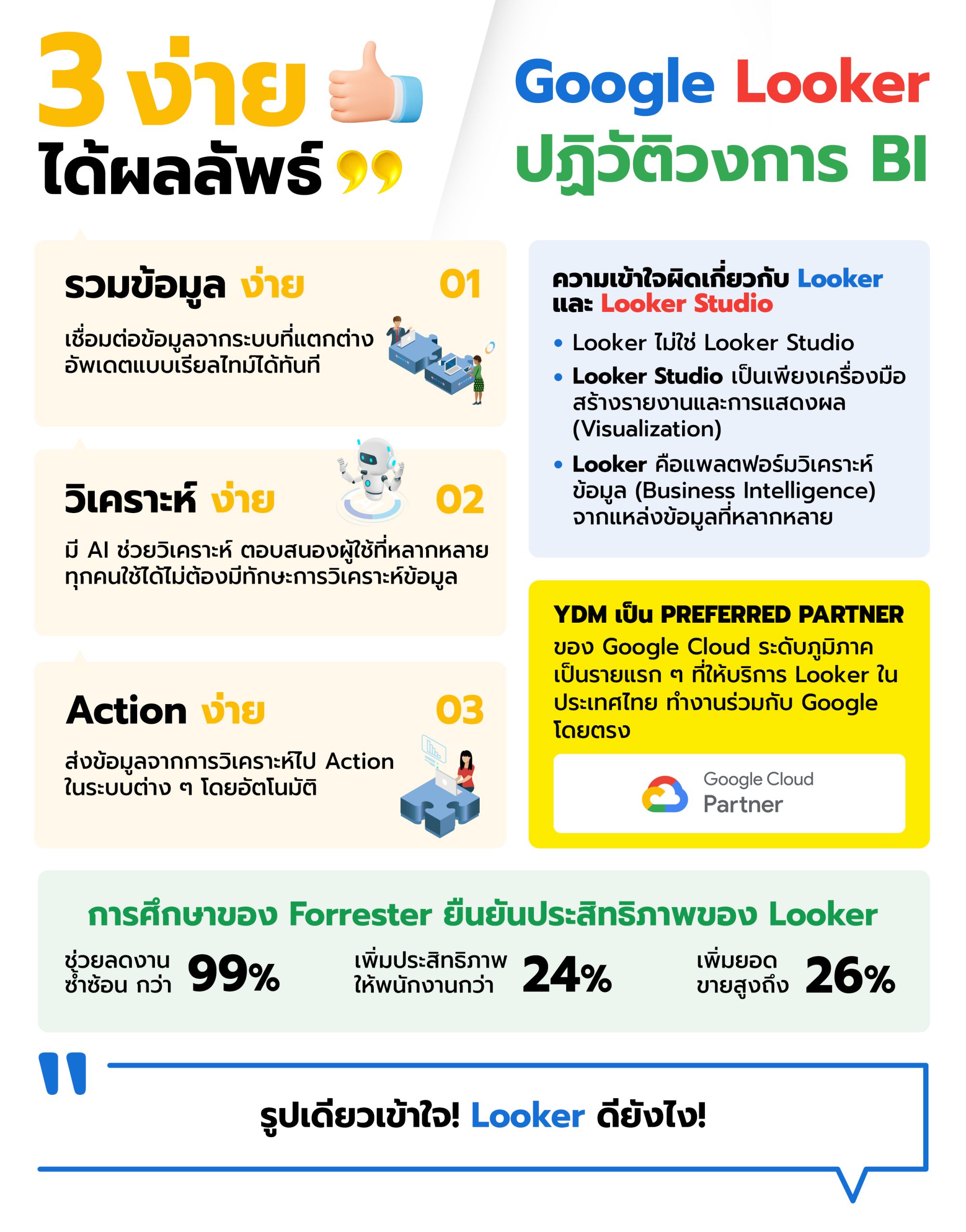
YDM Transforms the BI Landscape with Looker: Making Data “Simple” and More Effective (Looker is not Looker Studio)
Dec 17, 2024
{
News
}
YDM Transforms the BI Landscape with Looker: Making Data “Simple” and More Effective (Looker is not Looker Studio)
Dec 17, 2024
{
News
}
Unlocking the Secret: 8 Keys to Creating Impactful Advertising Campaigns
Jan 15, 2025
{
News
}
YDM Makes Waves with Double Wins at Meta Awards, Reveals Key Drivers Behind Its Success
Dec 24, 2024
{
News
}
YDM Transforms the BI Landscape with Looker: Making Data “Simple” and More Effective (Looker is not Looker Studio)
Dec 17, 2024
{
News
}
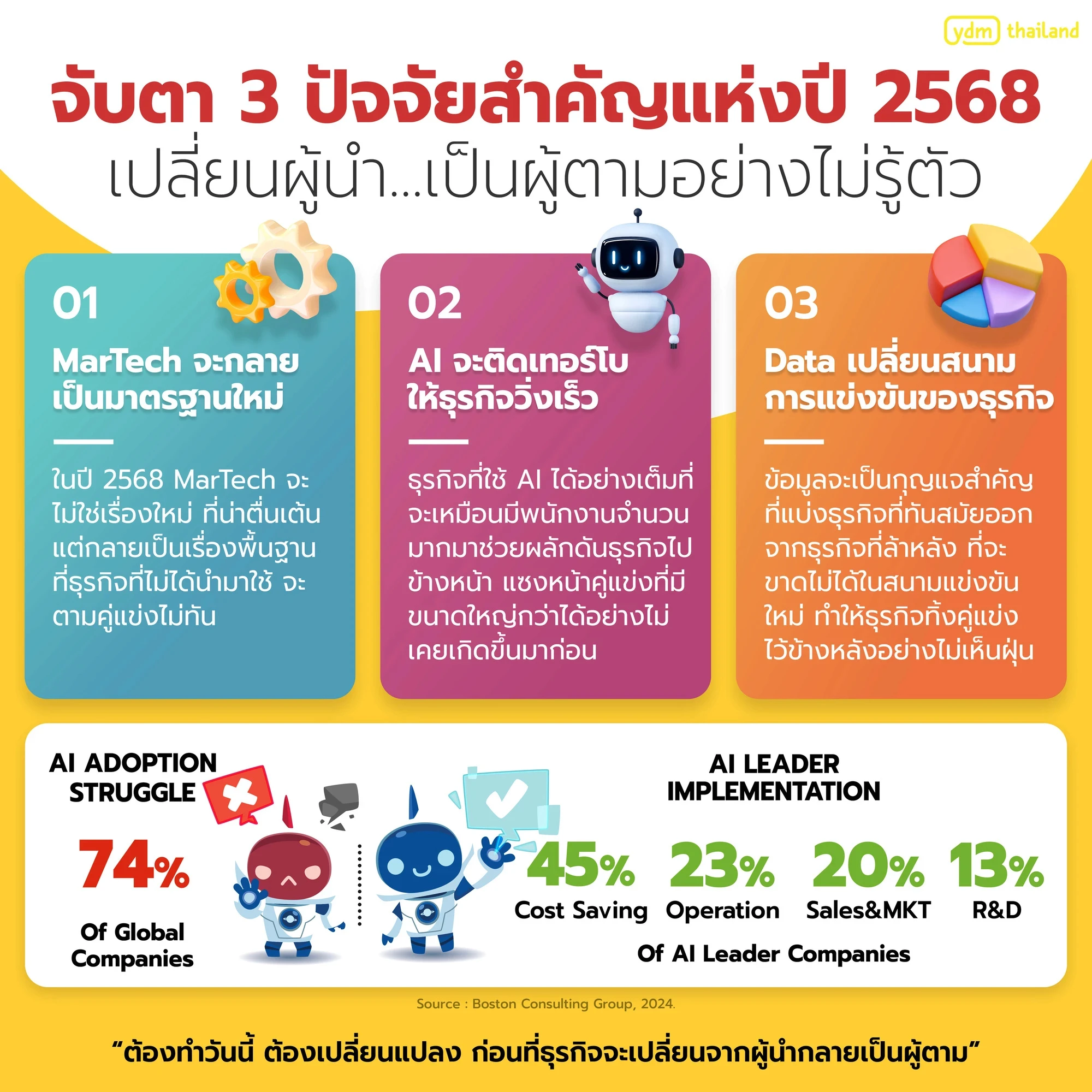
Watch Out: 3 Key Factors in 2025 That Could Turn Leaders into Followers Without Realizing It
Dec 3, 2024
{
News
}
Unlocking the Secret: 8 Keys to Creating Impactful Advertising Campaigns
Jan 15, 2025
{
News
}
YDM Makes Waves with Double Wins at Meta Awards, Reveals Key Drivers Behind Its Success
Dec 24, 2024
{
News
}
YDM Transforms the BI Landscape with Looker: Making Data “Simple” and More Effective (Looker is not Looker Studio)
Dec 17, 2024
{
News
}
Watch Out: 3 Key Factors in 2025 That Could Turn Leaders into Followers Without Realizing It
Dec 3, 2024